MPs are learning how it feels to be a Gorton & Denton resident today.
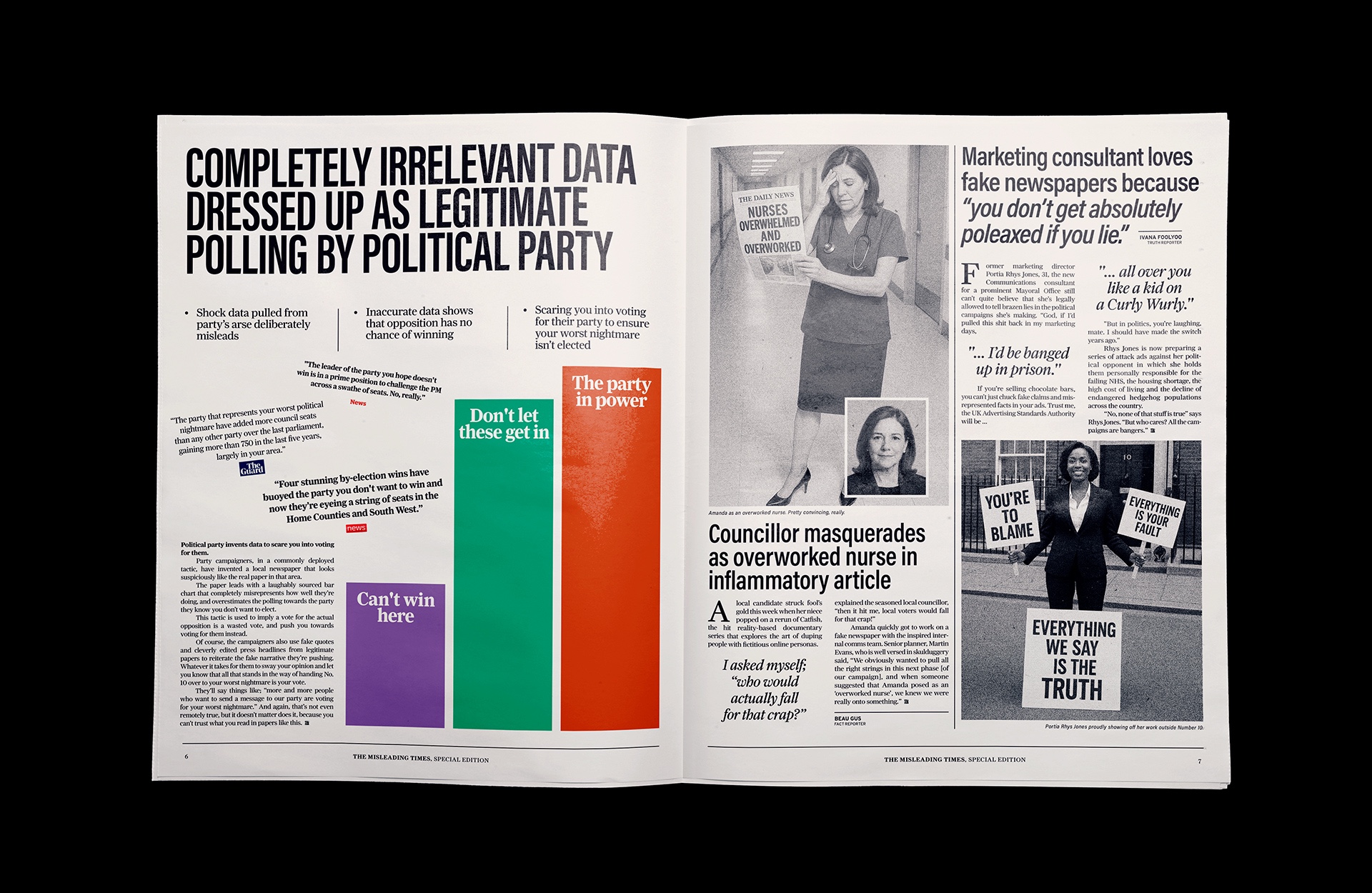
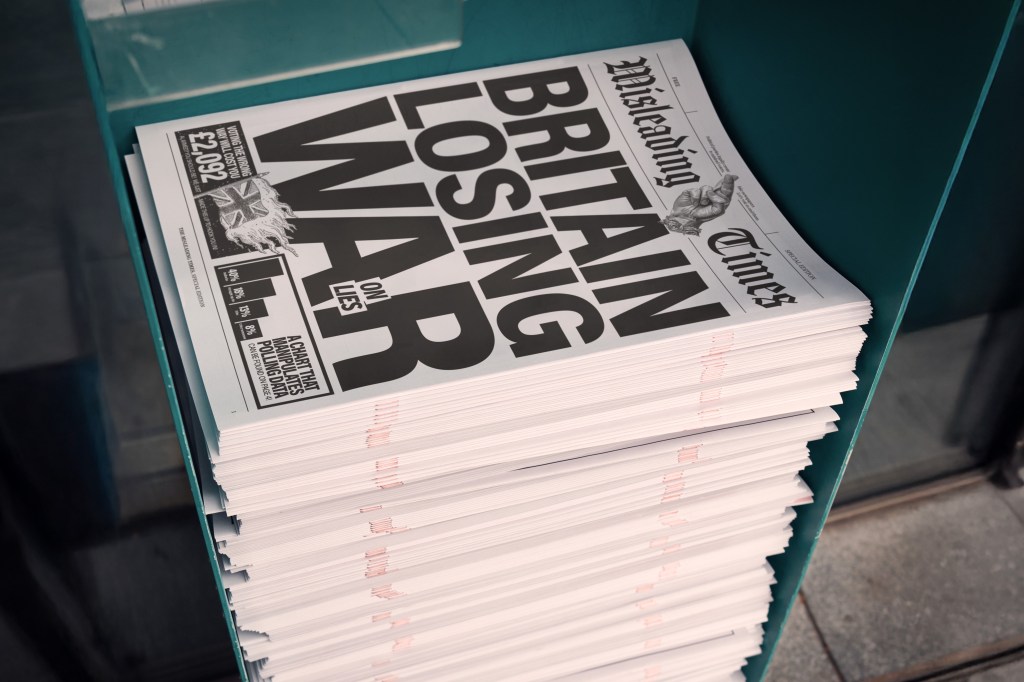
A newspaper packed full of dodgy bar charts and made up data is being delivered to desks in Westminster.
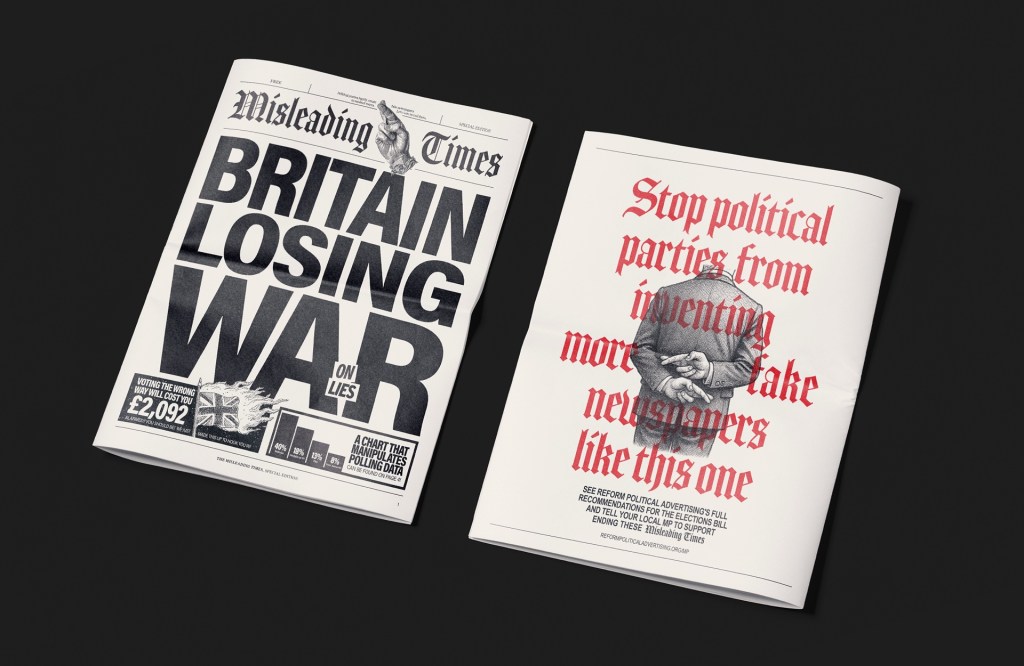
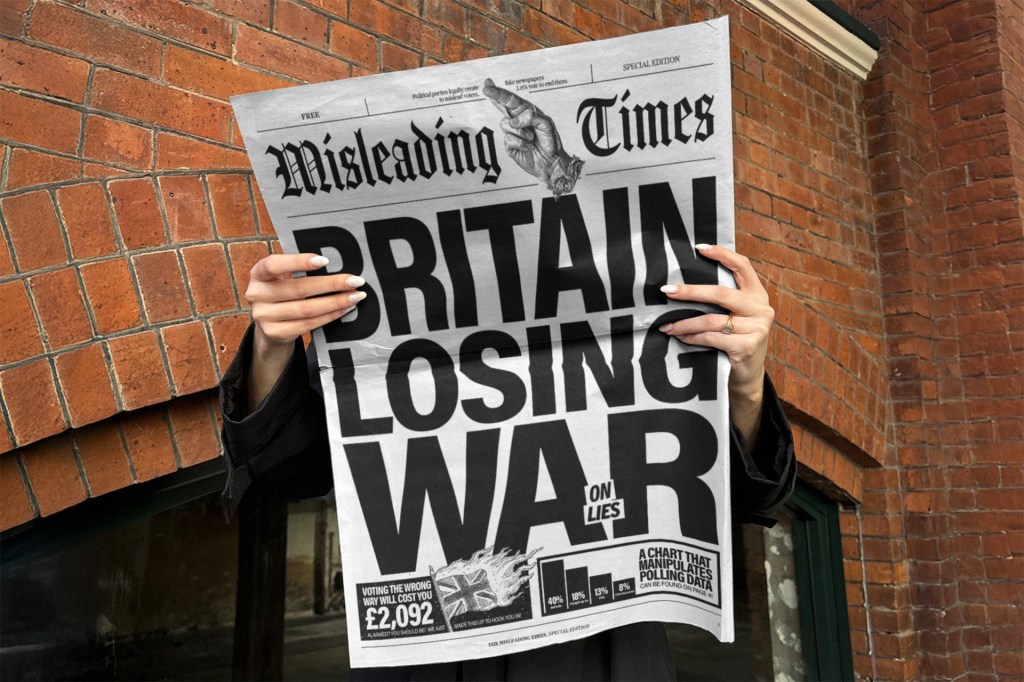
Reform Political Advertising, a pressure group, have launched a satirical campaign called “The Misleading Times,” a 100% fake newspaper delivered straight to MPs in Parliament.
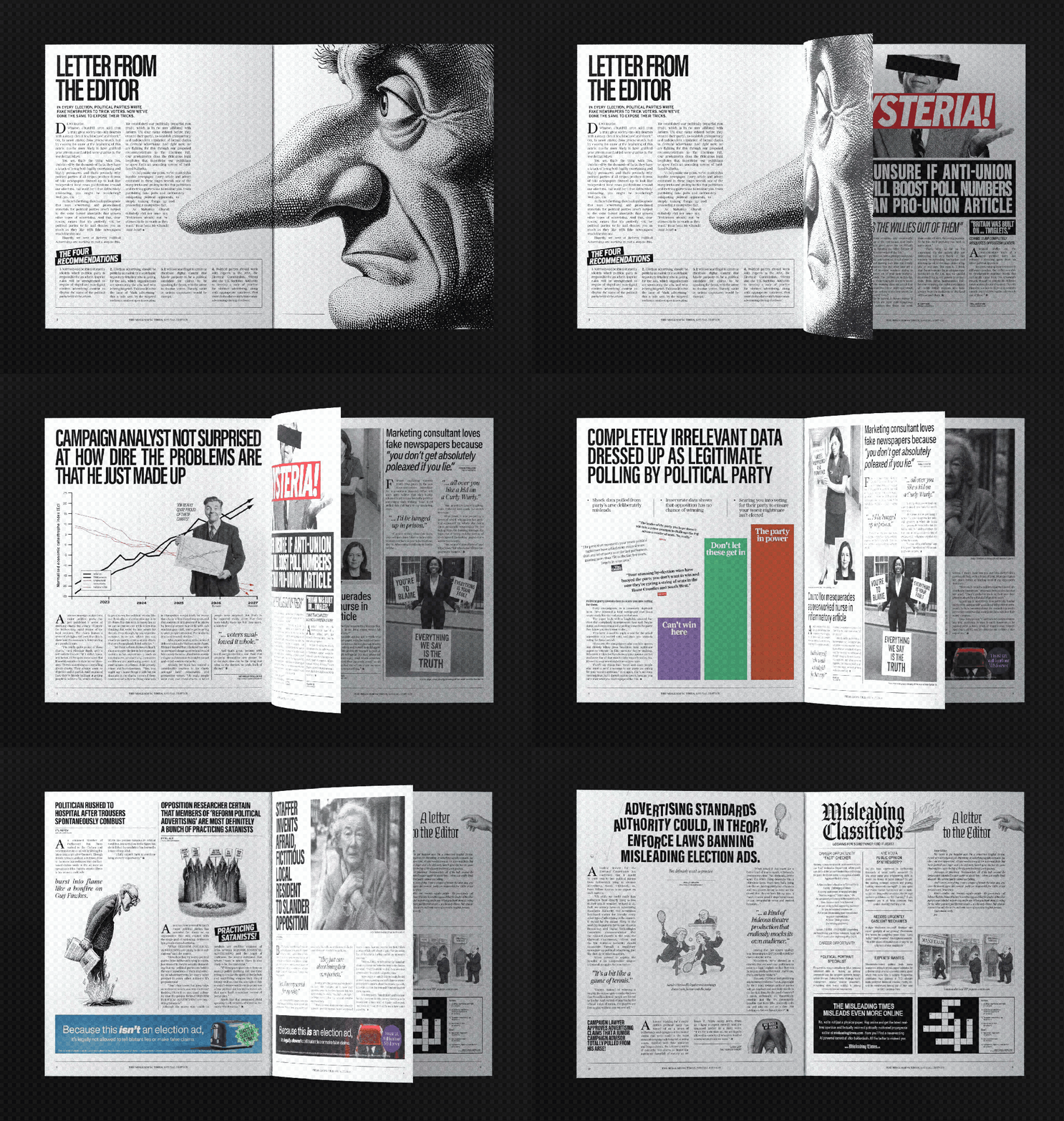
It’s a tongue-in-cheek jab at a very real, very frustrating problem: under current UK law, political parties can legally lie to you in ways that would get a commercial brand sued into oblivion (full disclosure: I’m a co-founder of RPA).
The “newspaper” – created for RPA by the ad agency Clemenger BBDO – mimics those fake local papers we often see during election cycles; you know, the ones that look like independent news but are actually party political broadcasts in disguise.
While stories about “made-up problems” and “irrelevant data dressed as polling” are meant to be funny, the loophole they highlight is anything but. Right now, election ads are exempt from the factual standards that govern the rest of the advertising world. As RPA puts it: it’s currently “perfectly OK” for parties to deceive you.
With the new Elections Bill on the horizon, RPA is pushing for four common-sense amendments to bring our democracy into 2026:
- Universal Imprints: Every ad (digital or paper) must clearly state who paid for it.
- A Ban on Deceptive Deepfakes: Making it illegal to use AI to make candidates say things they didn’t—while still protecting parody and satire.
- A Global Ad Repository: A searchable public database showing who is being targeted by “dark advertising.”
- A Code of Practice: Forcing parties to work with regulators (like the ASA and Ofcom) to stop fundamentally inaccurate claims.
“It is ludicrous that in 2026, a political party can legally distribute a newspaper dressed up as independent local news… it is time to stop the rot.” — Alex Tait, Co-founder of RPA
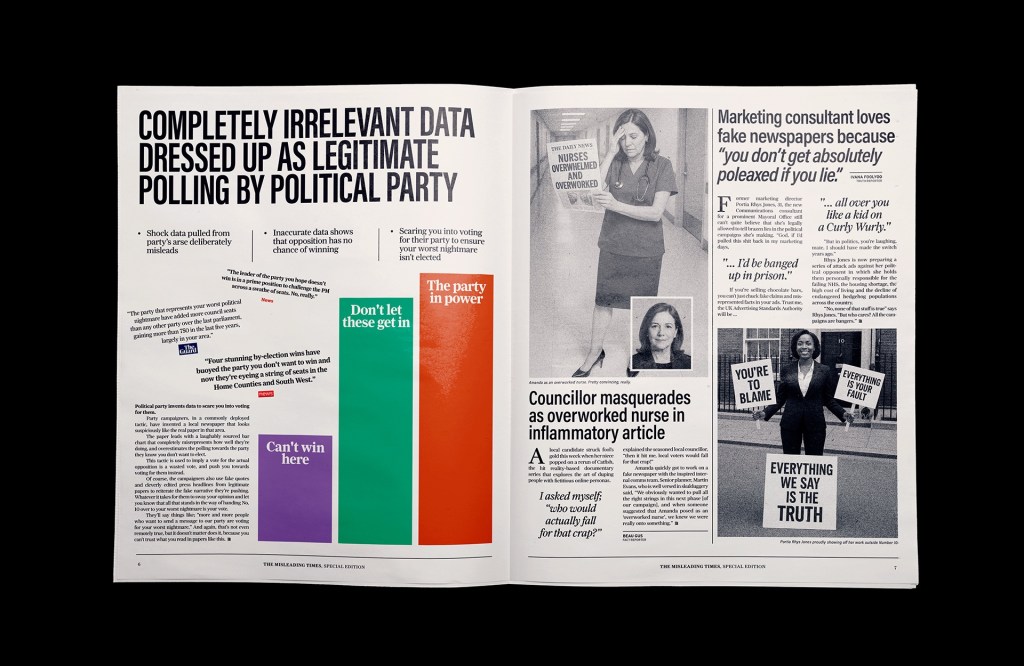
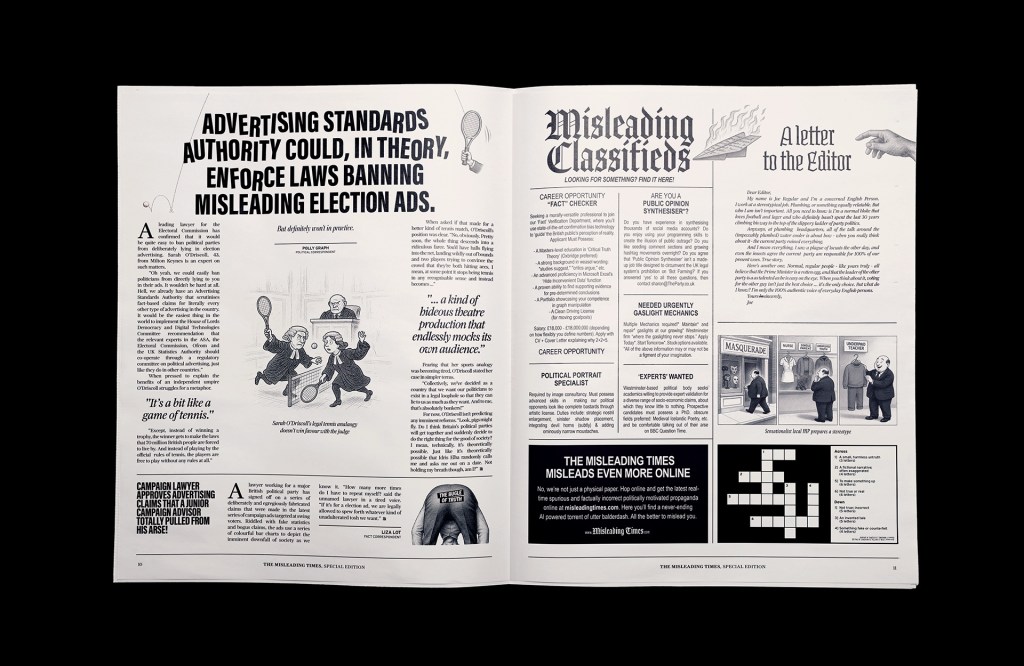
Democracy only works if we’re all operating on the same set of facts. When political parties use “fake news” tactics to win votes, it erodes trust for everyone. RPA is hoping that by giving MPs a laugh at some “combusting trousers,” they’ll finally take the threat of disinformation seriously.
 politicaladvertising.co.uk
”Liar, liar, pants on fire!”
Great work by Clemenger BBDO for Reform Political Advertising.
And what sane person could possibly disagree with your four proposals?