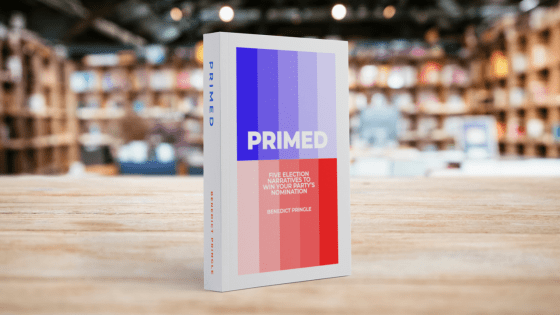
I am very excited to announce the release of my first book, Primed: Five election narratives to win your party’s…
Commentary on the grubbiest part of the dirtiest business, by Benedict Pringle.
I am very excited to announce the release of my first book, Primed: Five election narratives to win your party’s…
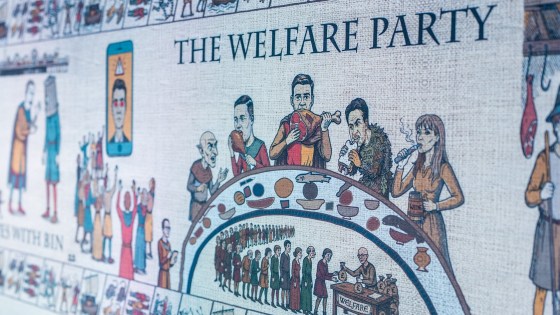
The Conservatives have pulled off one of the best political stunts of the year with the Birmingham Tapestry. At their…

New Zealand Labour has launched its 2026 general election campaign slogan: “Better starts now.” It’s a pretty good slogan. It’s…
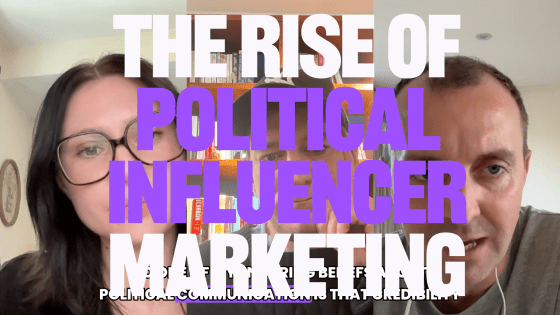
In an era where media fragmentation makes it increasingly challenging for campaigns to get voters’ attention, influencer marketing is emerging…
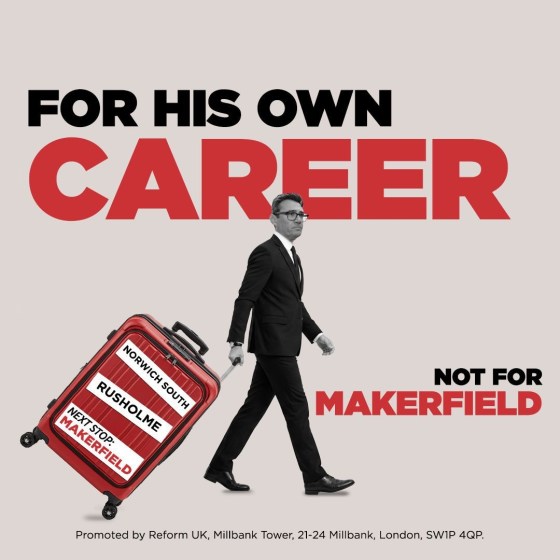
Reform UK have launched their first attack ads on Andy Burnham in the Makerfield by-election. They position Burnham as a…
There’s a lot to like about the new Think Labour visual identity. After months in which Labour Together became associated…
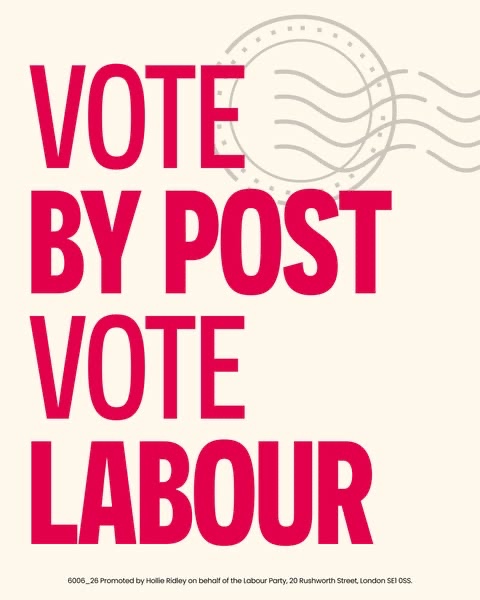
Postal votes have started landing on doormats across the country and with that, the Labour Party has kicked off its…
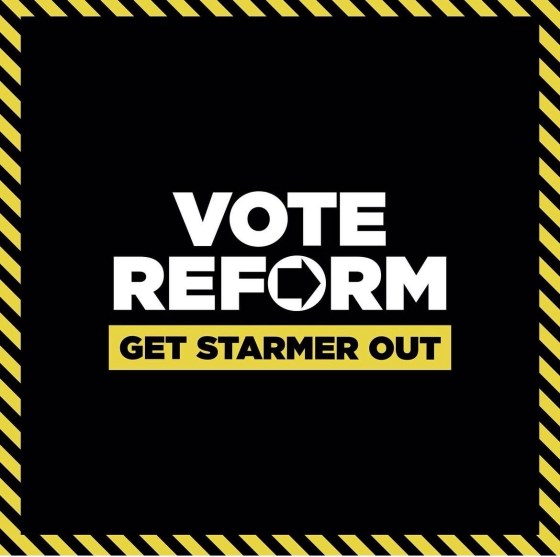
Reform UK’s slogan for the 2026 elections – “Get Starmer out” – is a curious one. Start with the obvious:…
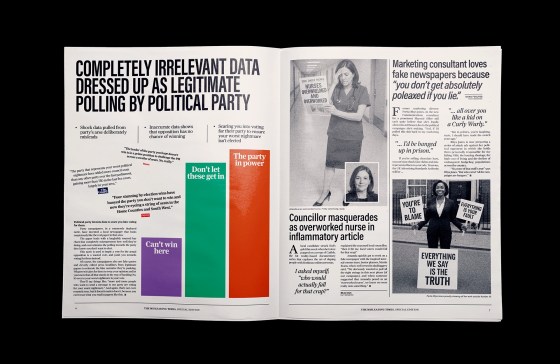
MPs are learning how it feels to be a Gorton & Denton resident today. A newspaper packed full of dodgy…
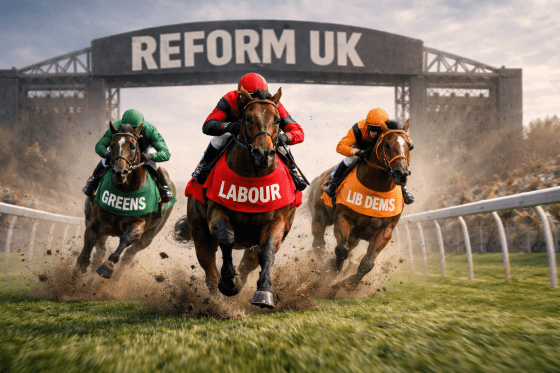
We are witnessing the emergence of a new political phenomenon in British politics: a quasi-primary election among progressive parties in…
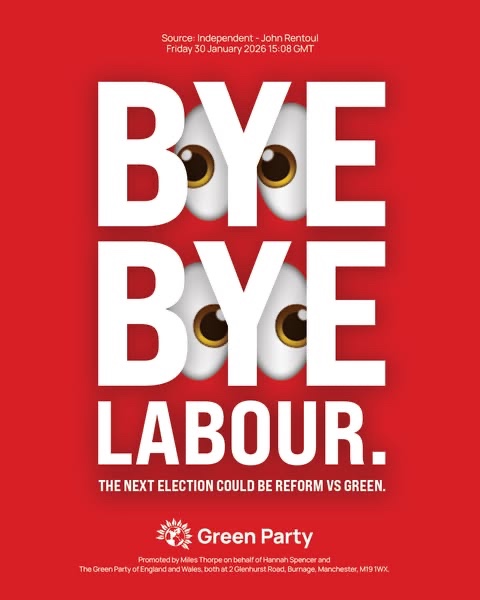
The Green Party is attempting to execute The Progressive Squeeze in the Gorton & Denton by-election and make it seem…

