For the first 18 months in government, Keir Starmer’s administration has attempted to communicate a narrative centred on the competent delivery of national renewal.
However, this narrative doesn’t seem to have cut through to voters. That could be because “national renewal” is too intangible, and landing the concept with voters requires them to link together a fairly disparate set of policy agendas.
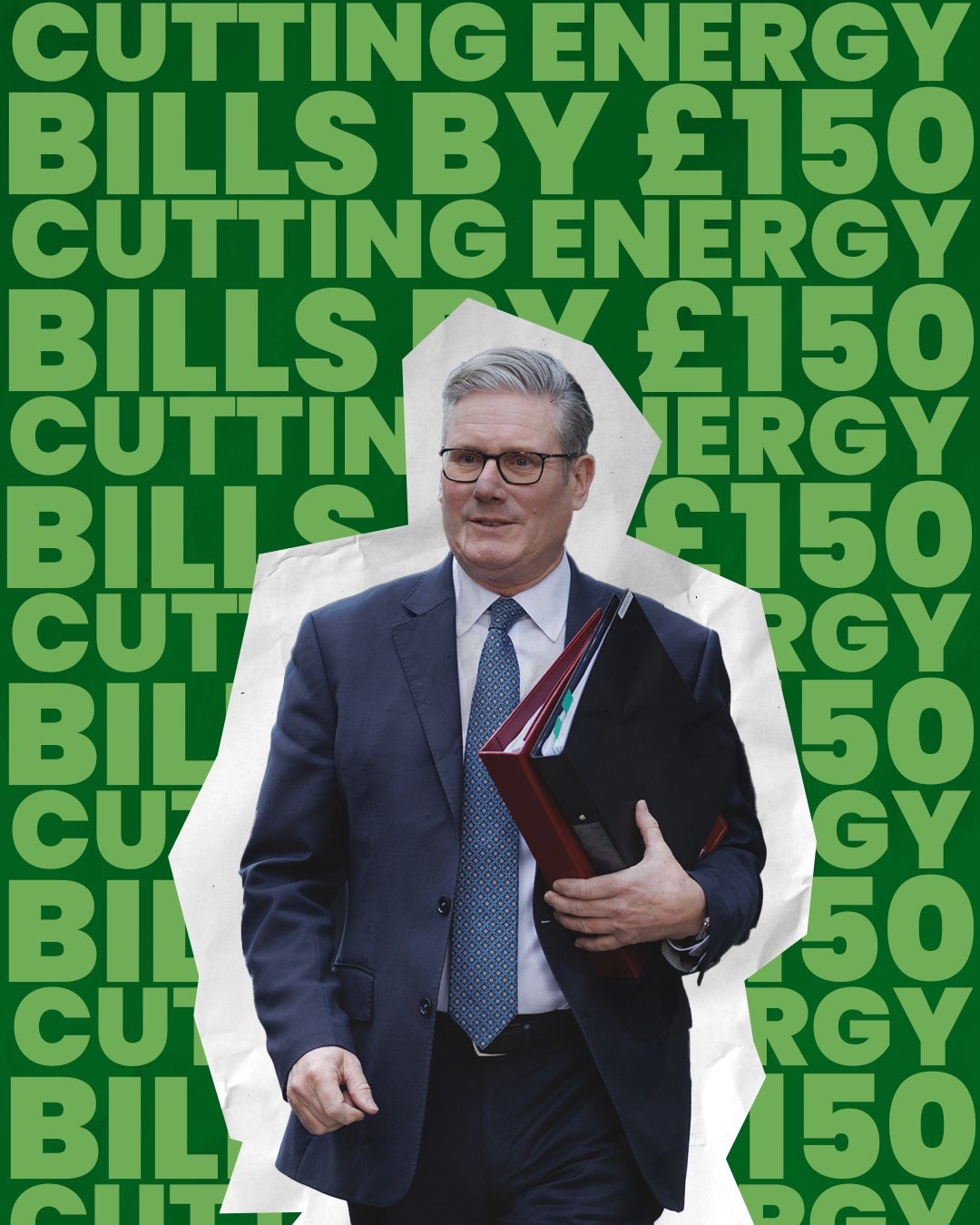
In today’s Sunday Times, it’s revealed that Labour are shifting the focus of their narrative onto the cost of living.
You can see evidence of this shift in a social film fronted by Rachel Reeves, released yesterday, where the cost of living is the dominant theme of the clip.
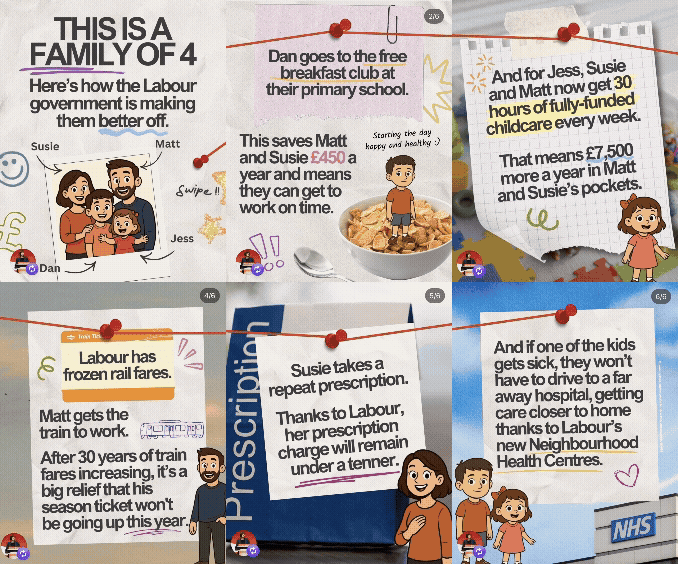
Labour also published a carousel at the end of last week breaking down how the government’s actions help the costs of living of a typical family with young children.
This shift is a smart approach. When politics feels unstable, abstract values matter less than whether people feel they can pay the bills.
This timeless truth has been demonstrated in several recent and notable elections globally where cost-of-living as an issue played a central role in success.
Zohran Mamdani won both his primary and general elections by focusing on reducing the costs of living in New York. In Canada, the Liberals successfully foregrounded affordability and economic security as a defensive shield against voter volatility. In Australia, Labor made living costs the central test of government legitimacy, and voters rewarded them for it. And Donald Trump’s 2024 campaign framed inflation and prices as evidence of elite failure and personal injustice, relentlessly tying economic grievance to everyday experience.
For Labour, this strategy solves several problems at once. First, it offers coherence. Rather than a scatter of policy announcements, the cost of living provides a single evaluative lens through which decisions can be explained and makes it easier for the government to claim success when inflation or interest rates come down.
Second, it anchors Labour firmly on the terrain voters already care about most. Focus groups and polling have been consistent on this point for years.
Third, it allows the government to pick fights with people and organisations who are not helping the cost-of-living cause. Having an enemy that is standing in the way of your agenda is very useful and companies peddling shrinkflation, or reducing services while jacking up costs, are a good bogeyman.
But like all good political plans, the hard part is sticking with it. Starmer has not been able to stick to a particular course of action thus far. From U-turns on initiatives like welfare, to rhetoric accusing Reform of racism being contradicted by actions by his government days later.
Cost-of-living politics only works if it is sustained and demonstrable. By the time of the next general election, voters will need to have understood that the cost of living is the government’s focus. And voters’ perceptions of cumulative financial improvement must also be greater than their perception of the cost of tax rises. Not easy.
But, the strategy feels right and Starmer will live or die by the execution.
 politicaladvertising.co.uk