
The Conservative Party’s general election campaign had moments of brilliance but they let themselves down by being excessively negative and too frequently making claims that lacked credibility.
Their campaign also featured several strands, most of which made sense on their own, but the lack of coherence meant that there was not a clear narrative.
The Conservatives were also hamstrung by two significant gaffes which they struggled to shrug off: Rishi Sunak leaving D-Day commemorations early and Conservative Party insiders betting on the date of the election when they likely had inside information.
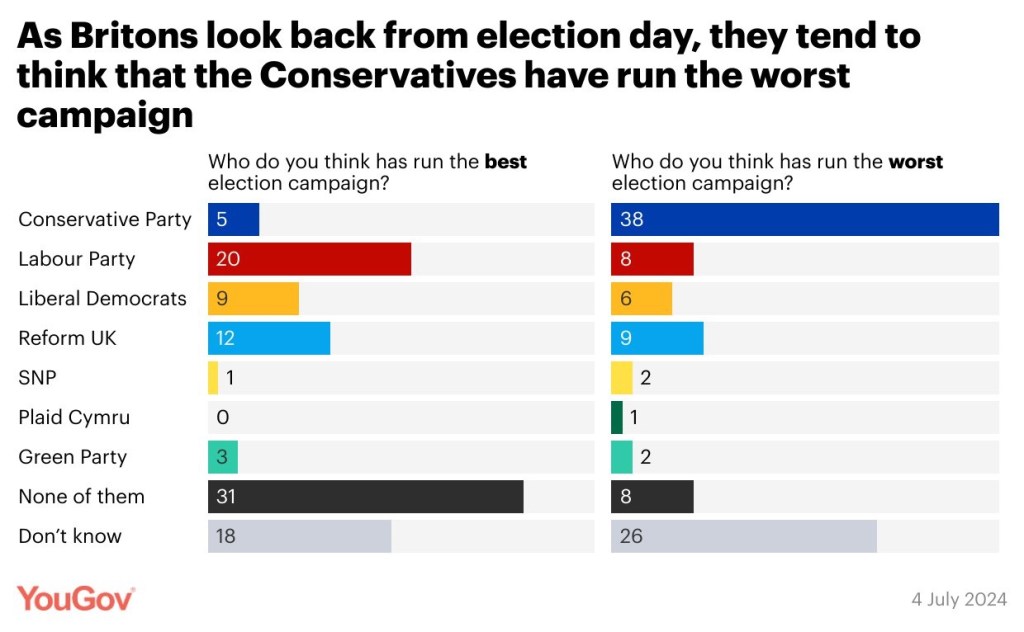
The combination of incoherence, lack of credibility, relentless negativity and terrible gaffes meant that voters overwhelmingly felt that the Tories ran “the worst election campaign”.
Despite the undoubted issues with The Conservative campaign it’s important to acknowledge that there were very smart people involved and aspects of it were very successful.
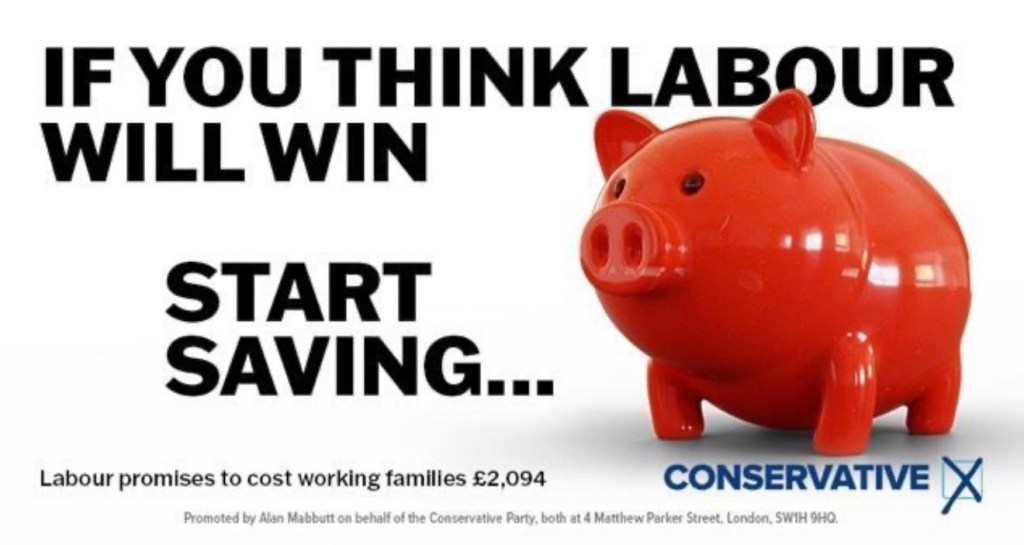
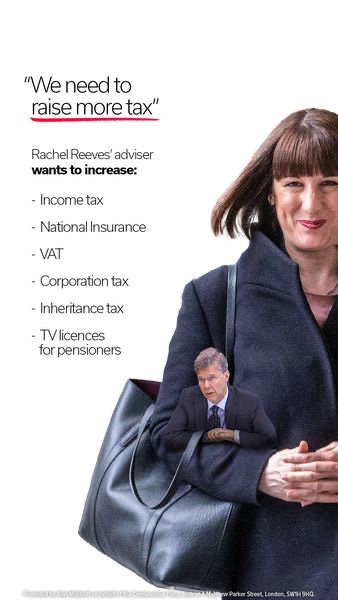
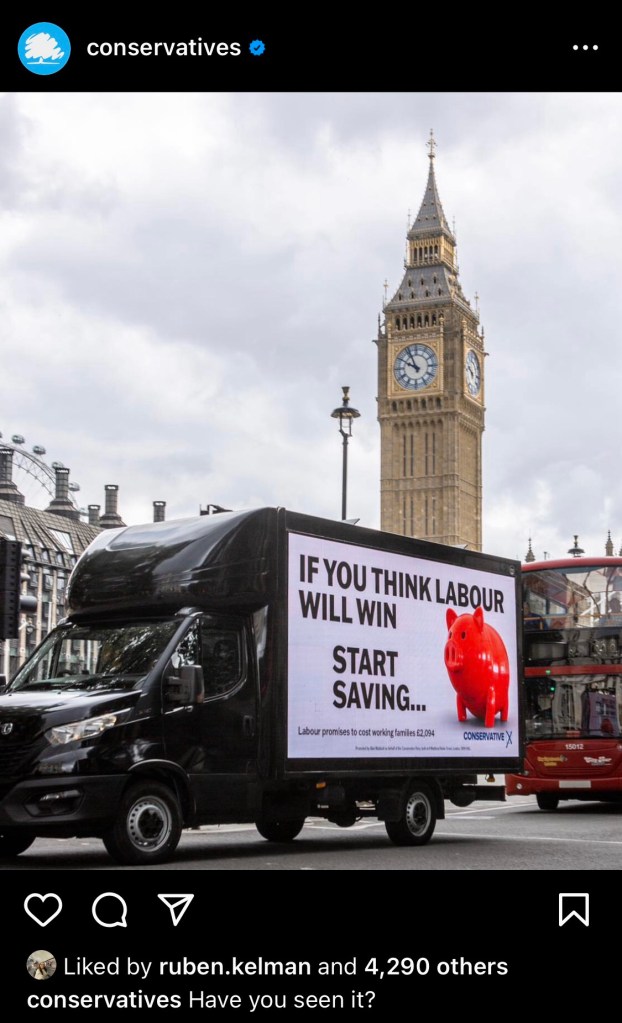
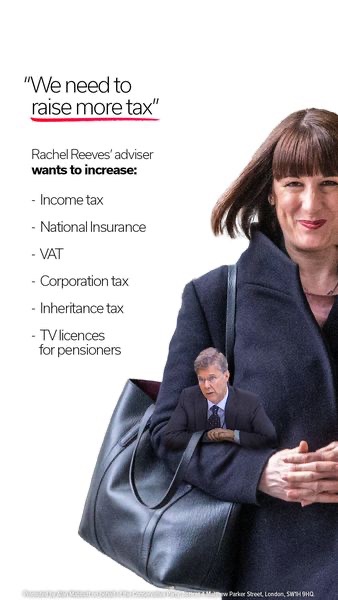
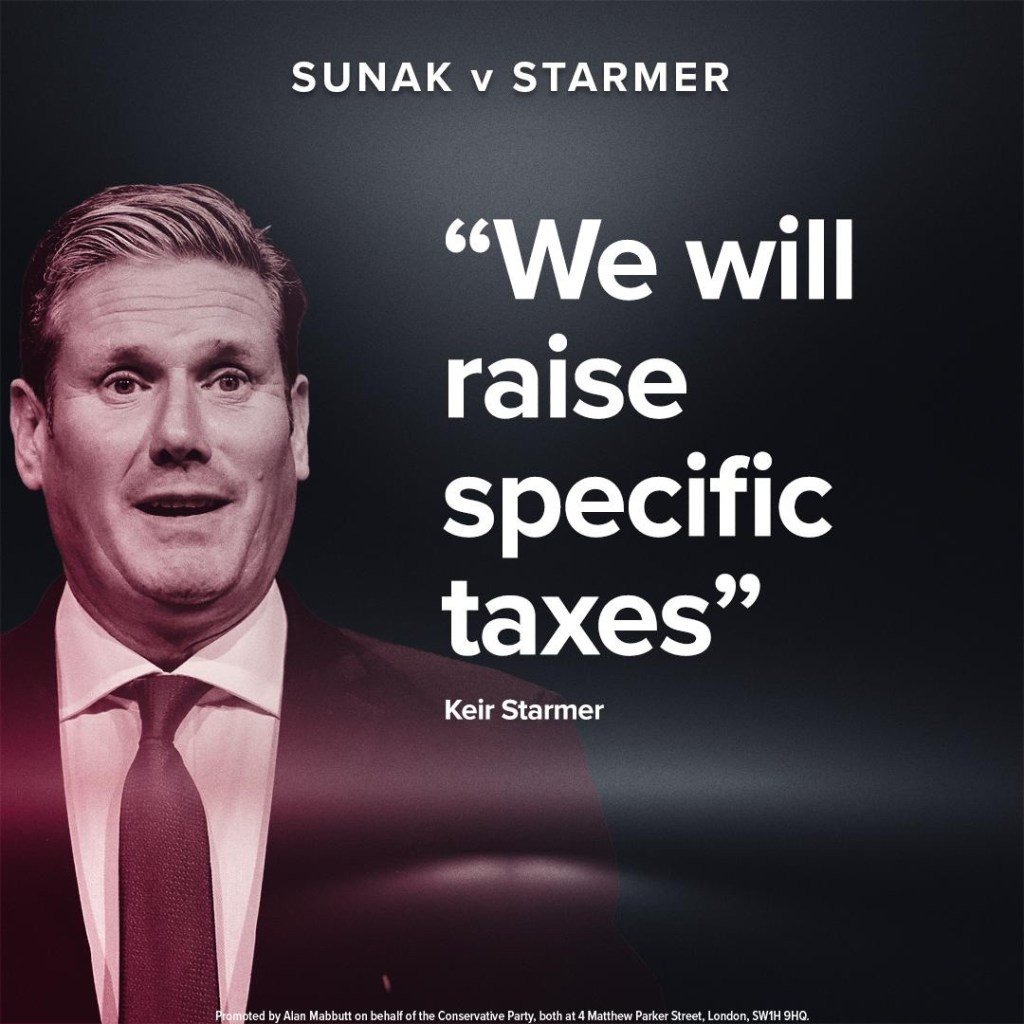
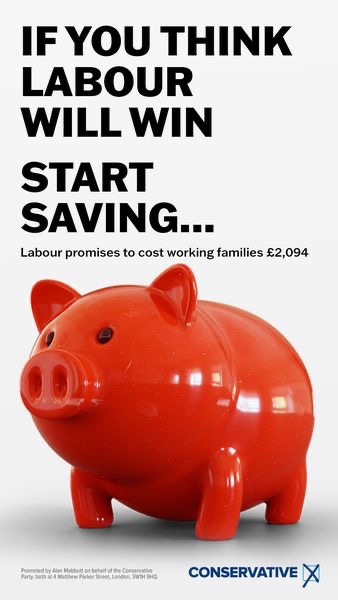
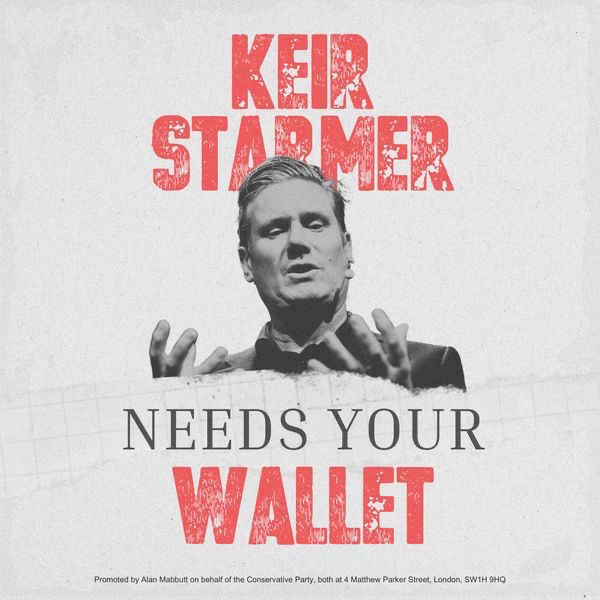
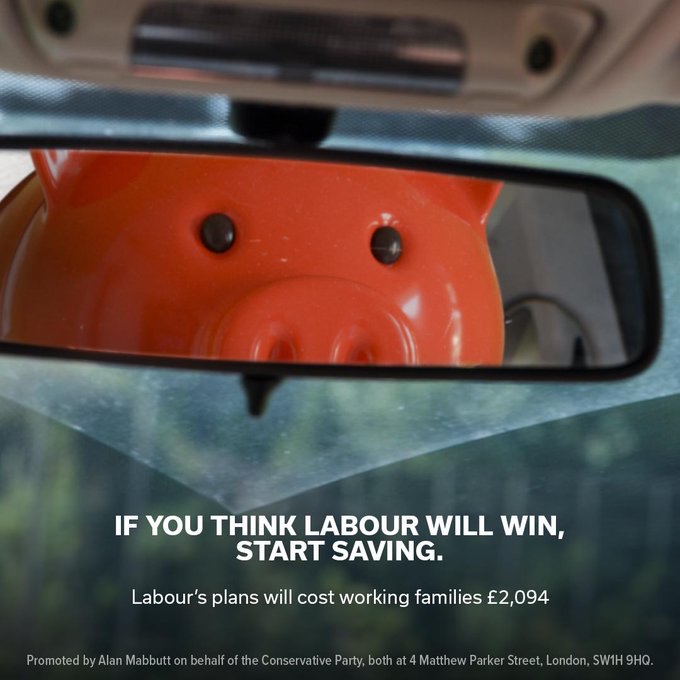
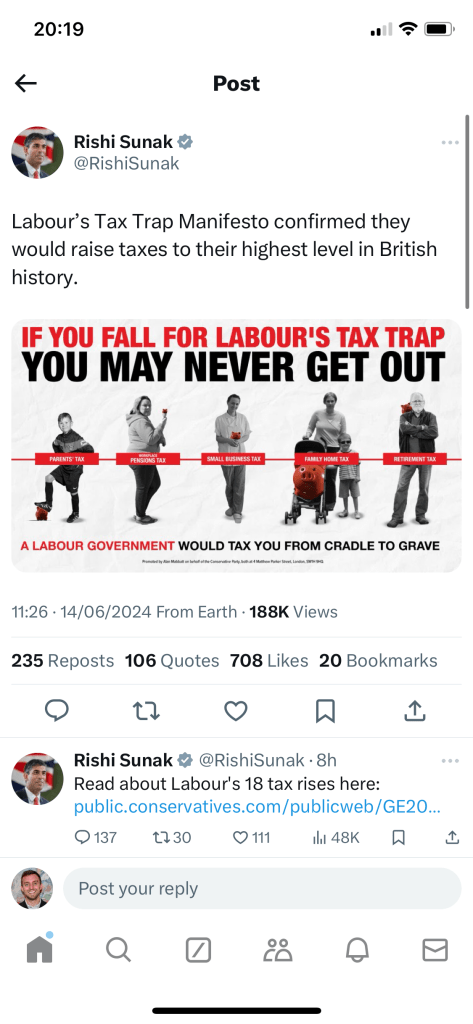
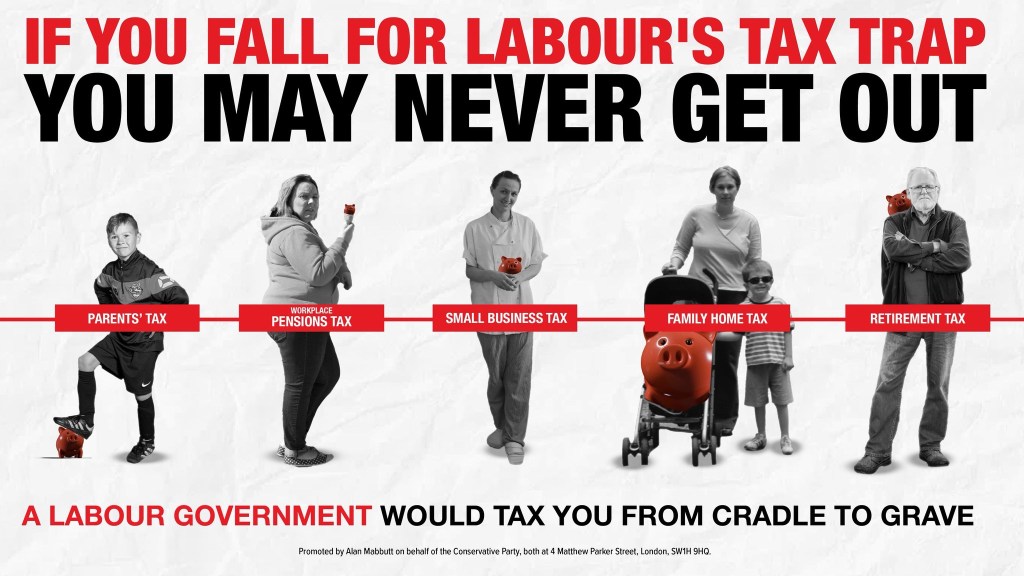
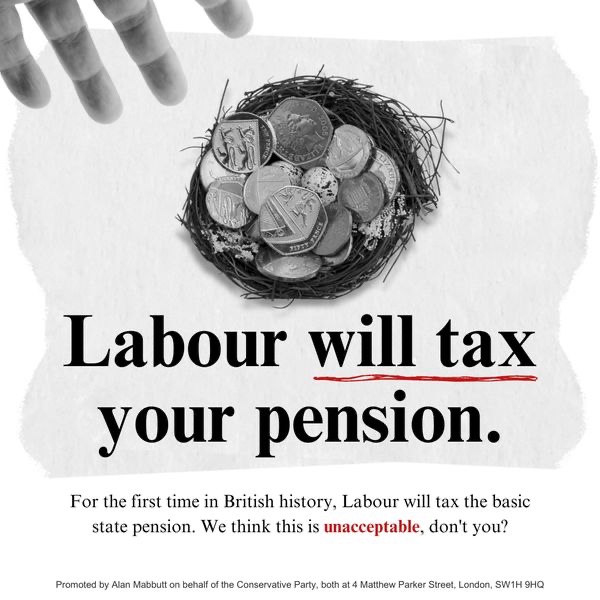
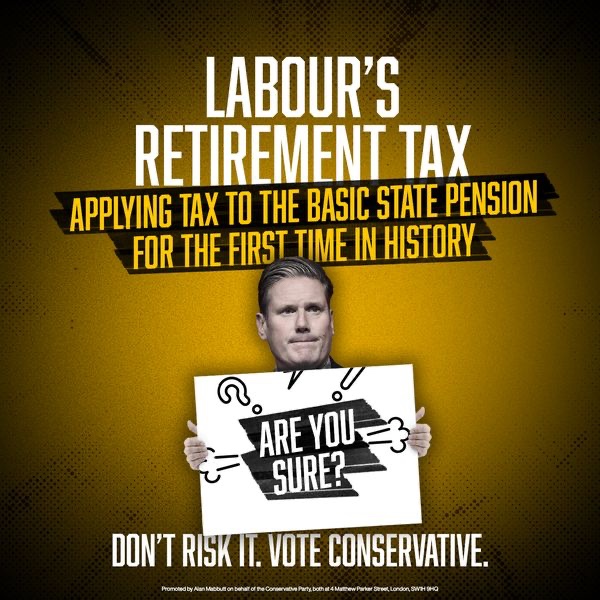
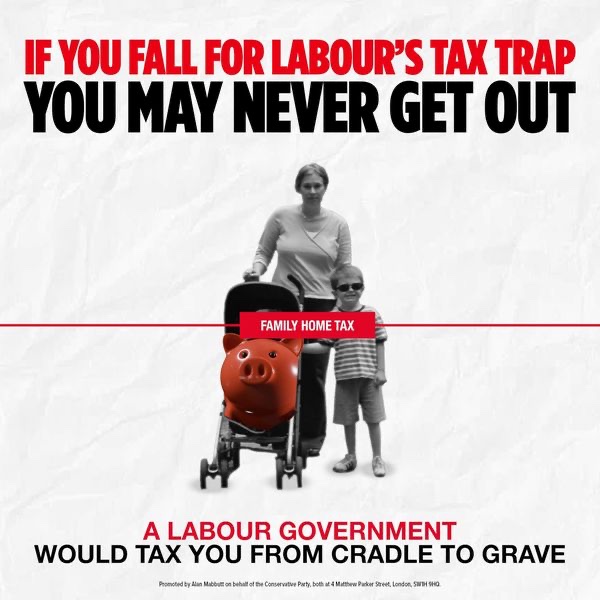
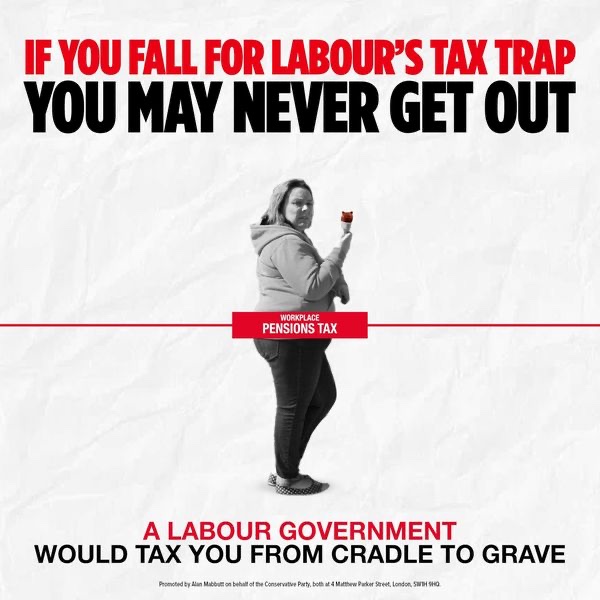
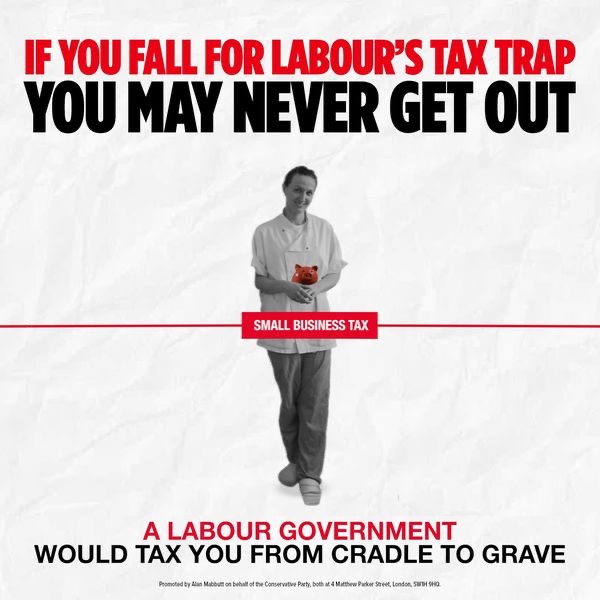
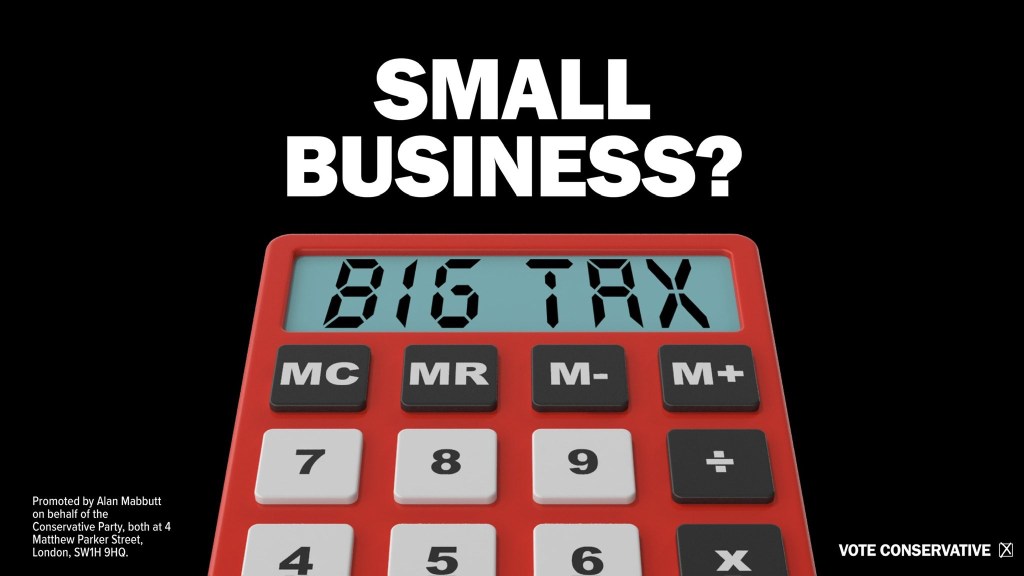
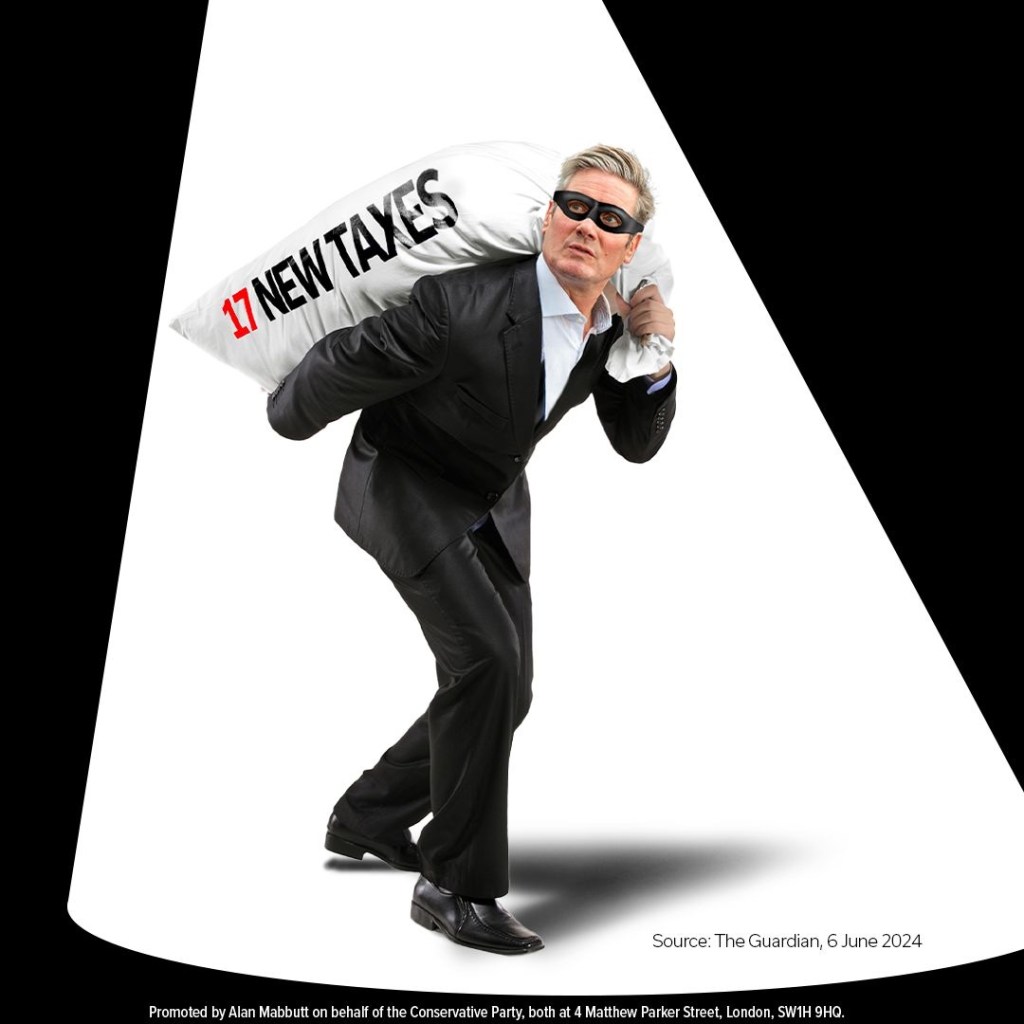
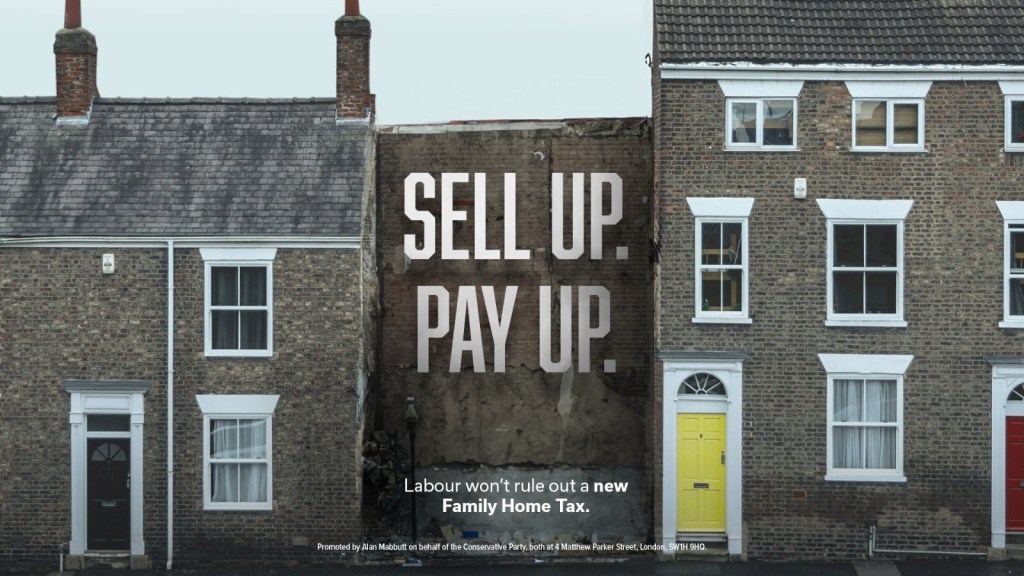
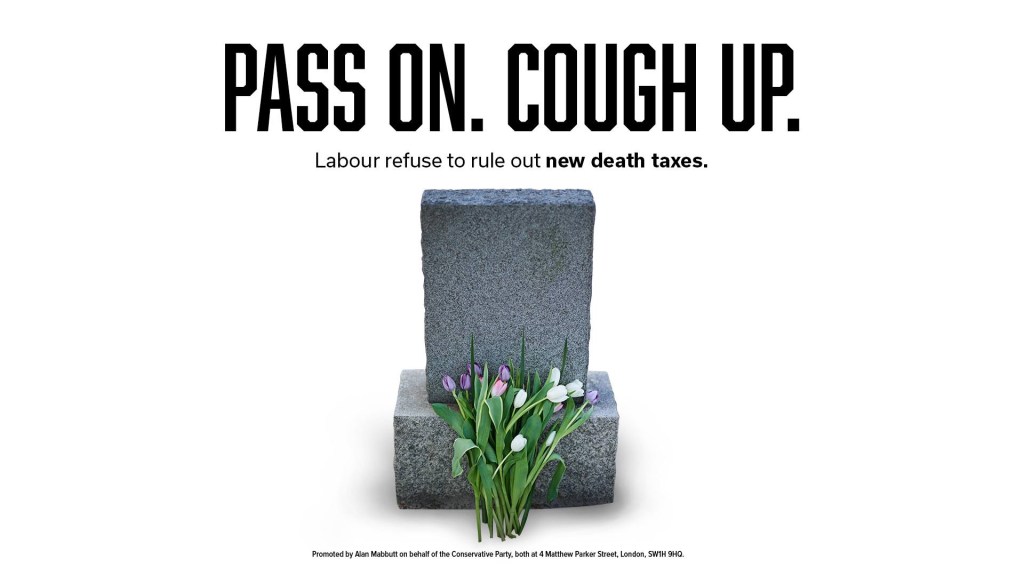
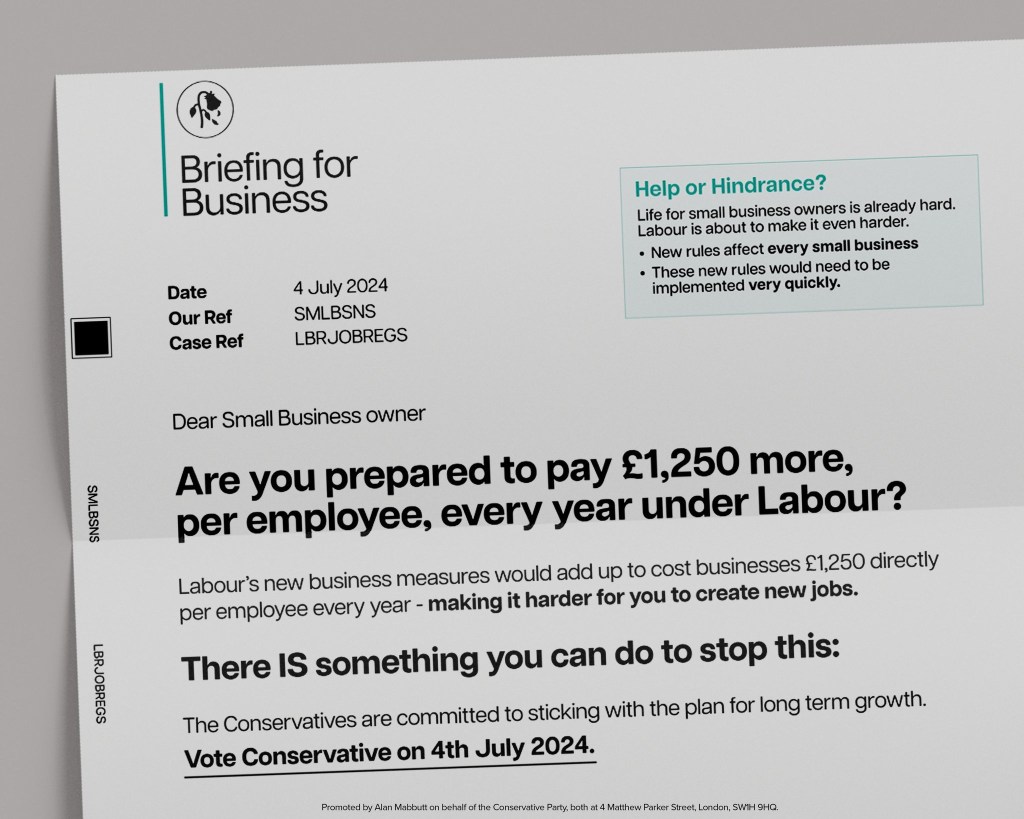
For example, the Tories managed to make the issue of Labour’s tax plans salient from a standing start. They hammered the point in a wide range of executions.
Focus groups recorded for Times Radio reported the message “cutting through” and Labour felt compelled to spend ad money refuting claims they’d raise taxes on working people.
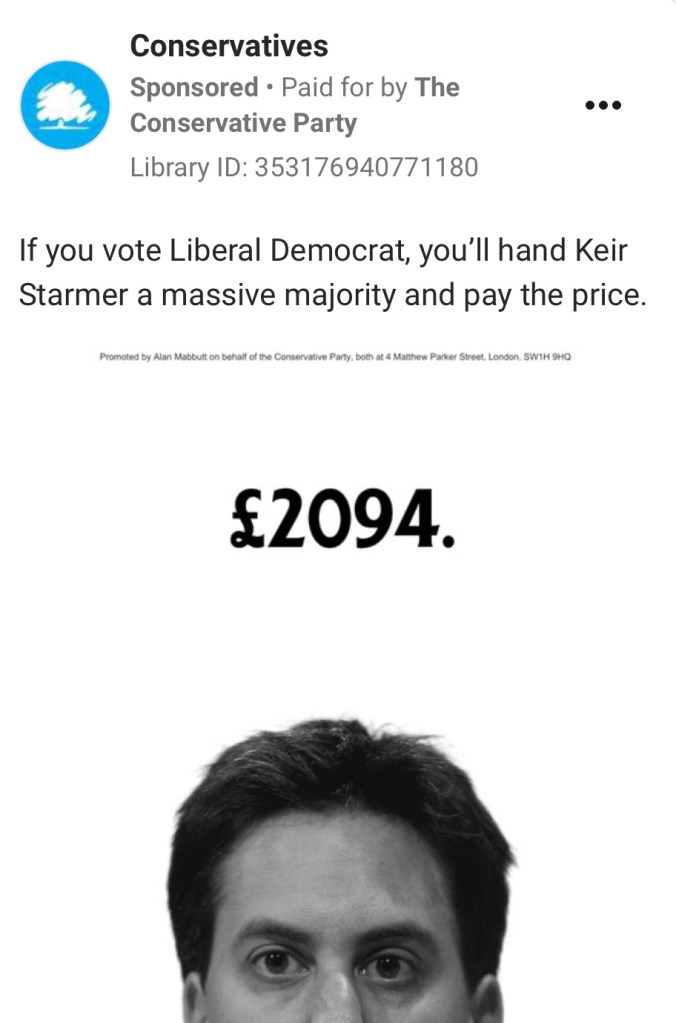
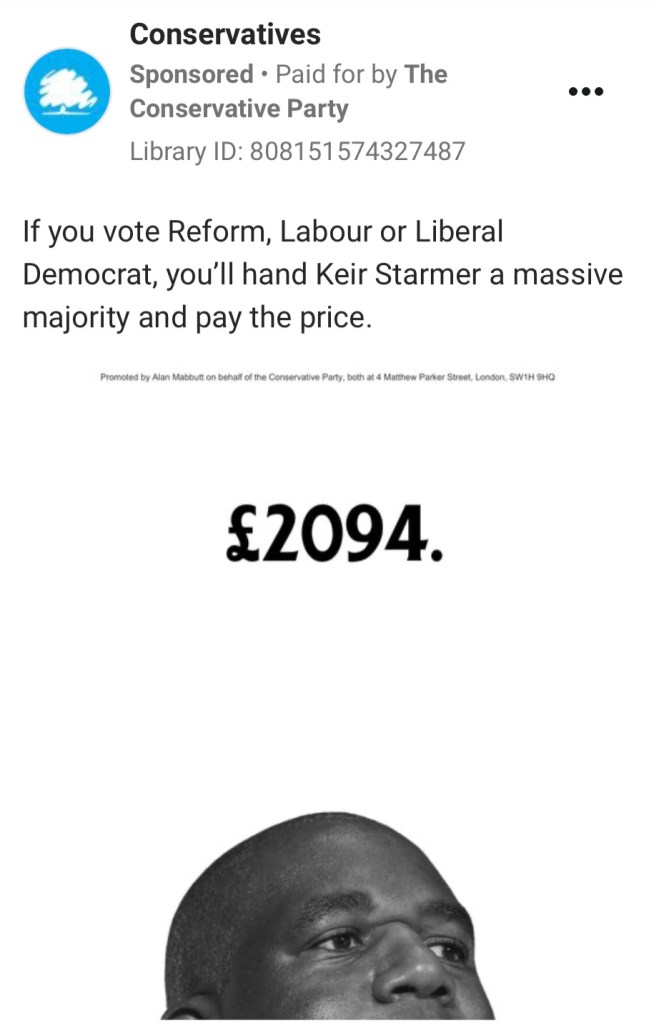
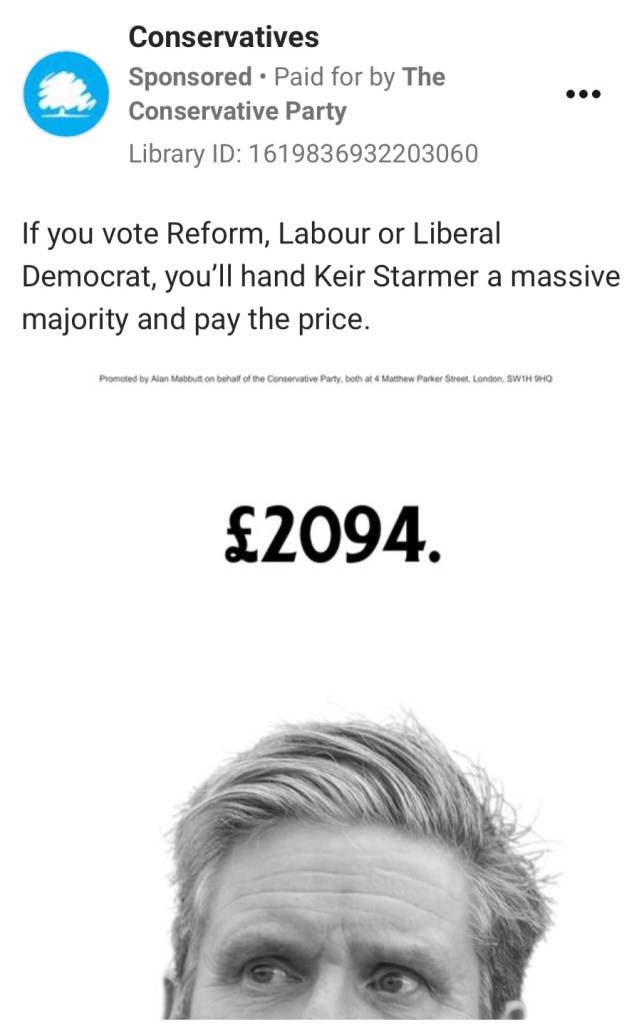
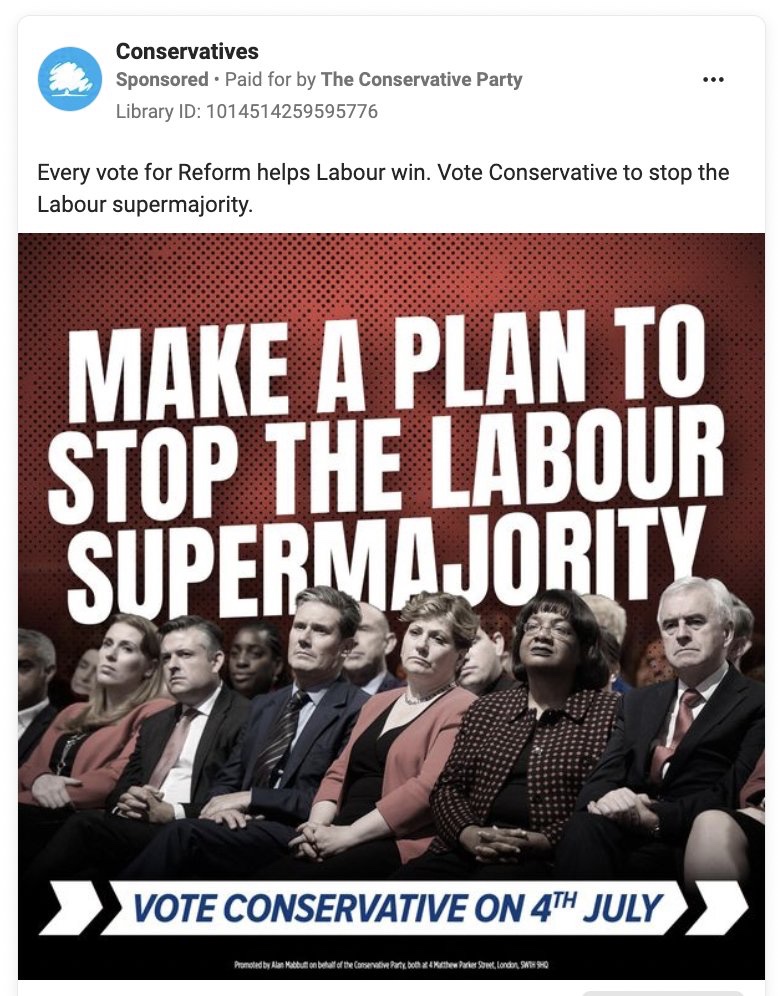
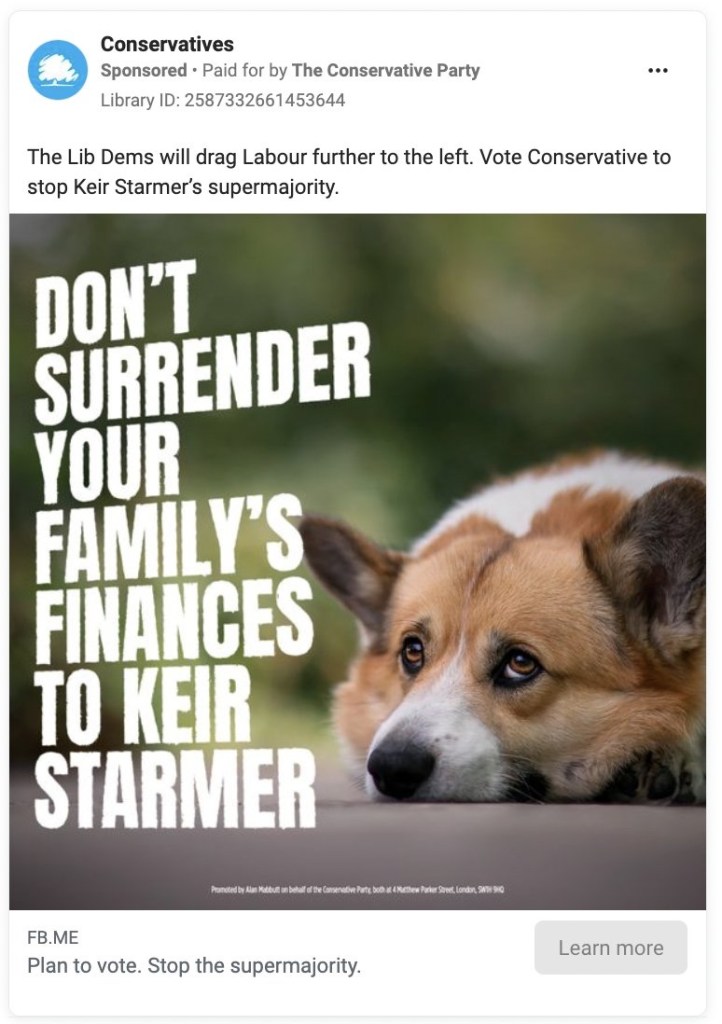
Later in the campaign, the Conservatives deployed their “super majority” attack line which warned of the dangers of a lack of effective opposition.
Making the fact that your party is certainly going to lose the closing argument of a general election campaign is an incredibly unusual and brave move, but it’s reasonable to think it worked. Turnout was low and Labour’s share of the vote shrunk: two outcomes you’d expect to see from a successful Tory voter suppression exercise. There is also polling evidence that points to the fact that fear of a “super majority” grew throughout the campaign.

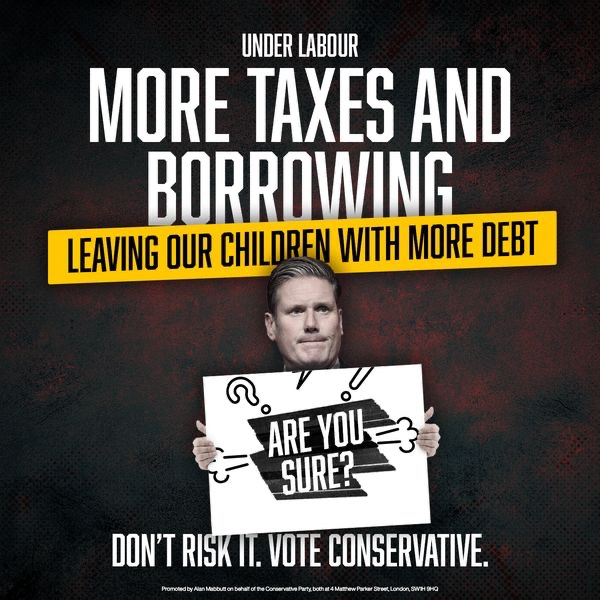
For a six-week campaign, having a Plan A attack line (tax) and a Plan B (super majority) is perfectly sensible, but there were so many other attack lines – many of which were highly spurious – that the Tories came across as desperate at best and unhinged at worst.
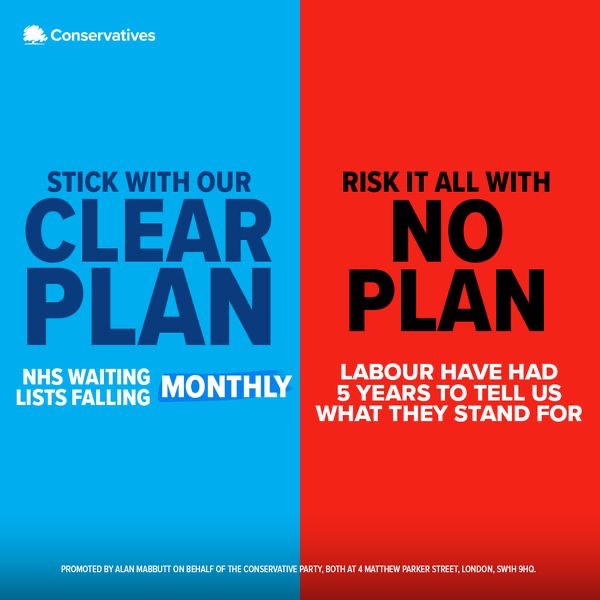
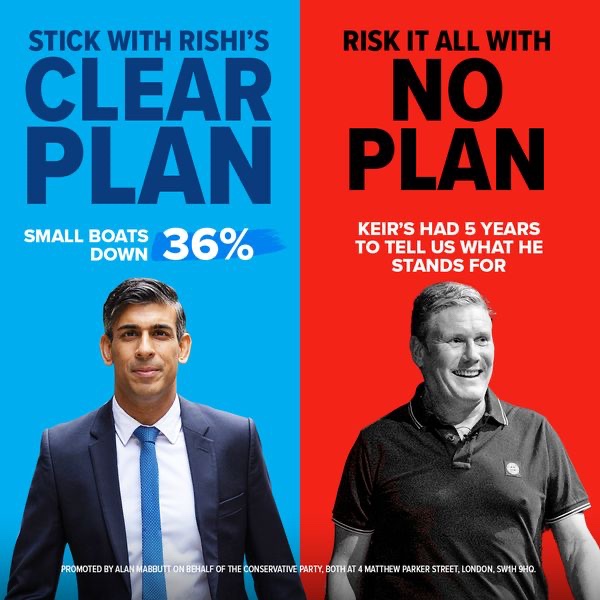
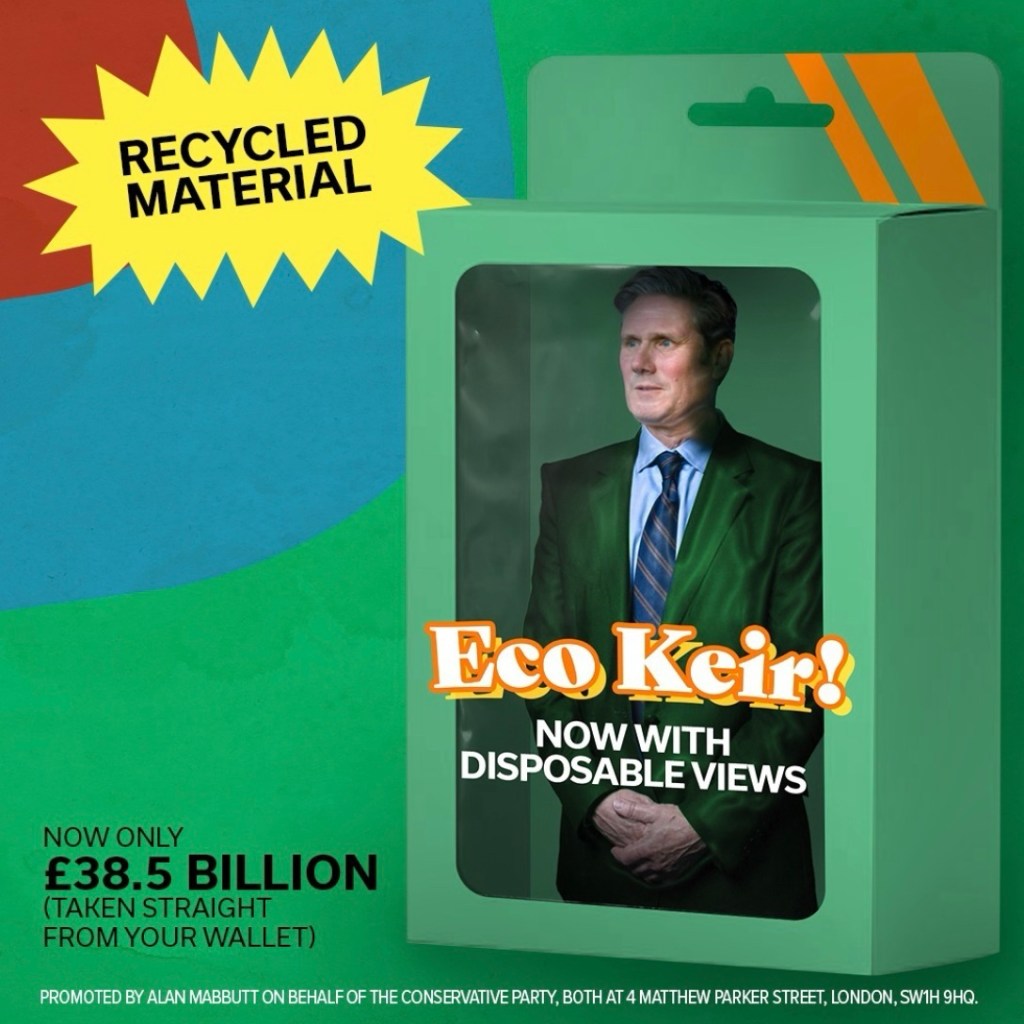
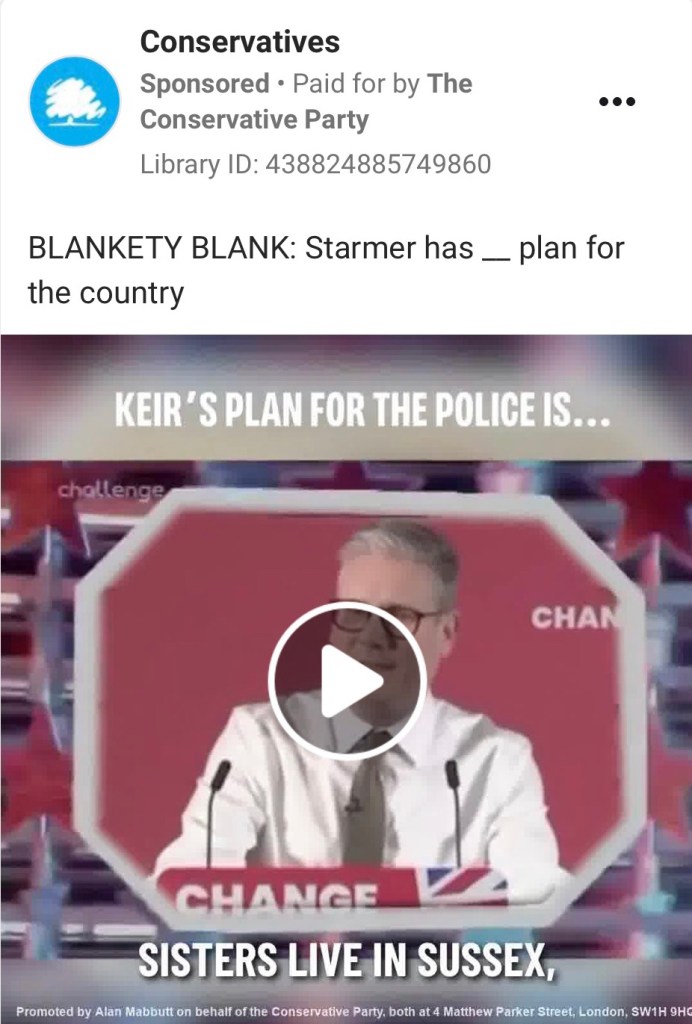
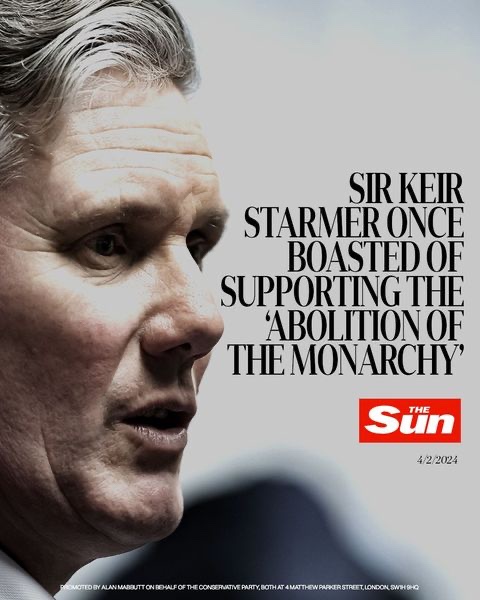
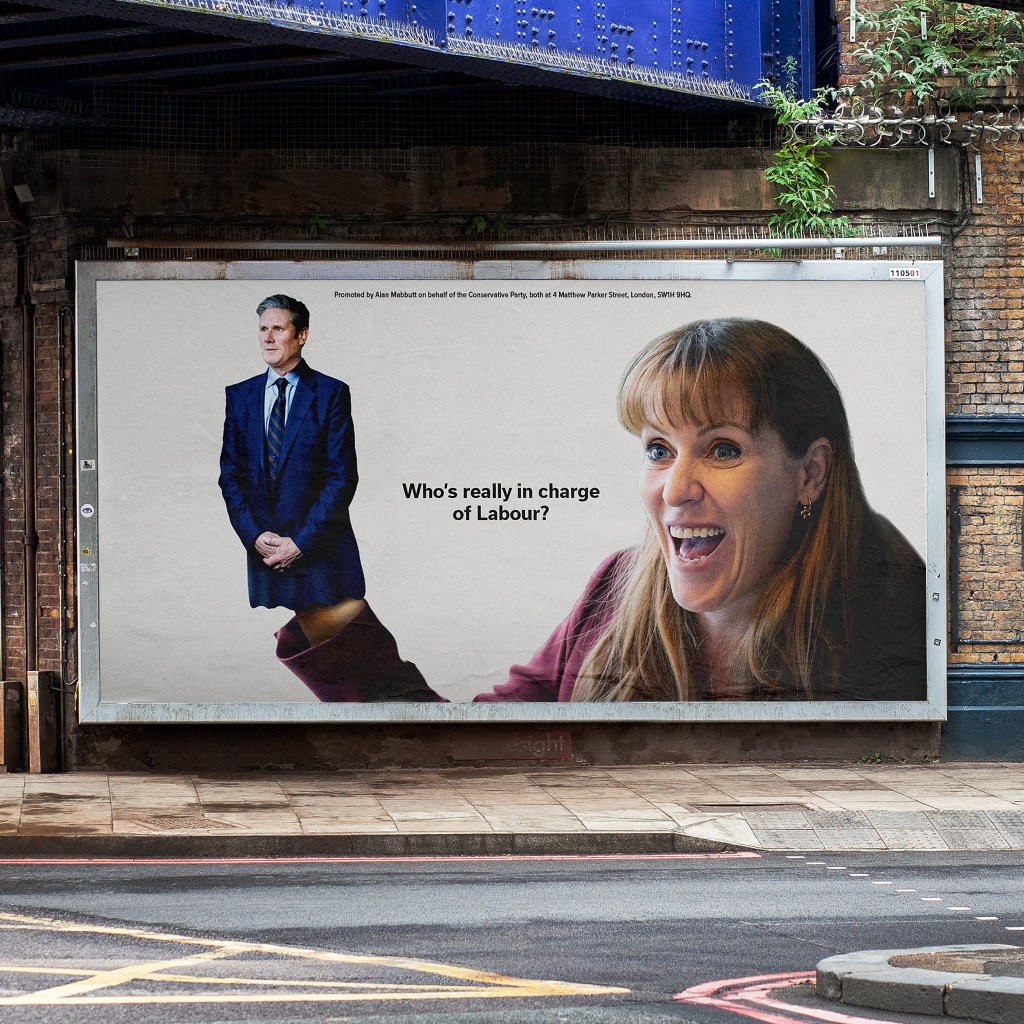
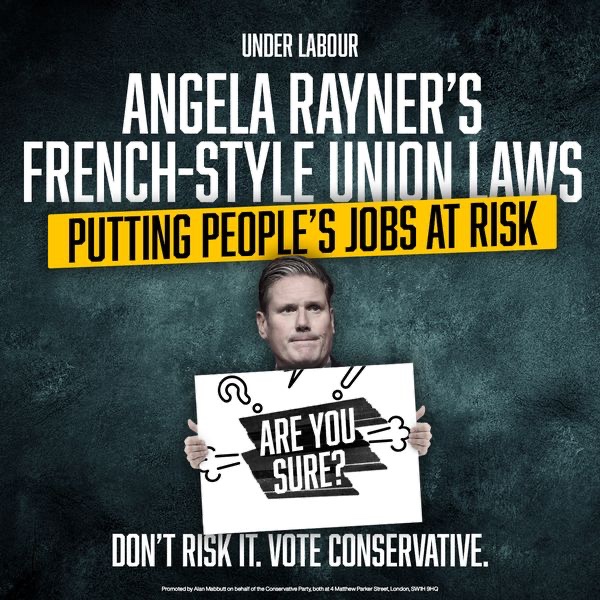
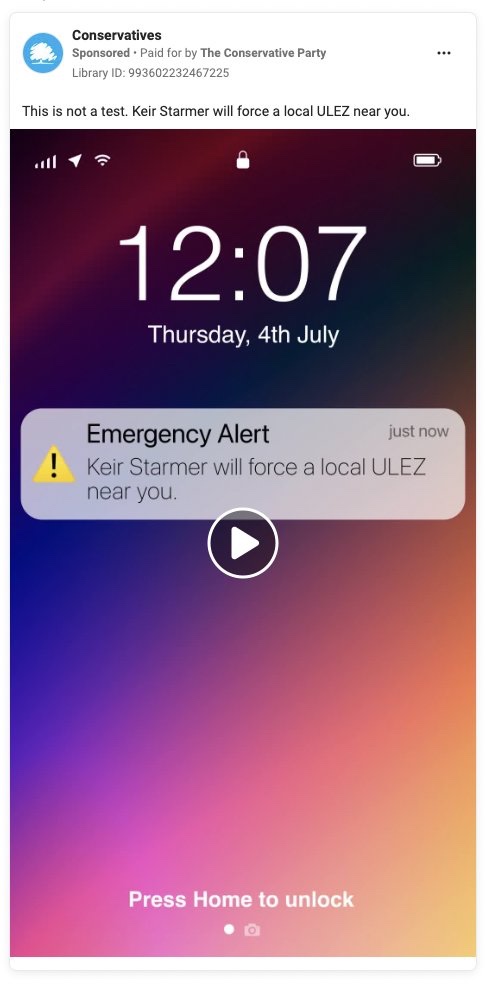
Starmer and Labour were accused of: not having a plan for the country; being against the Royal Family; wanting to implement ULEZ nationwide; being secretly controlled by Angela Rayner; planning to cancel the nuclear deterrent; presenting a risk to energy security; wanting to implement French-style union laws; putting food security at risk; planning to hamstring the police; welcoming illegal immigrants; wanting to lower the voting age to rig the electoral system; planning to cut the number of apprenticeships in half; being comfortable with class sizes increasing.
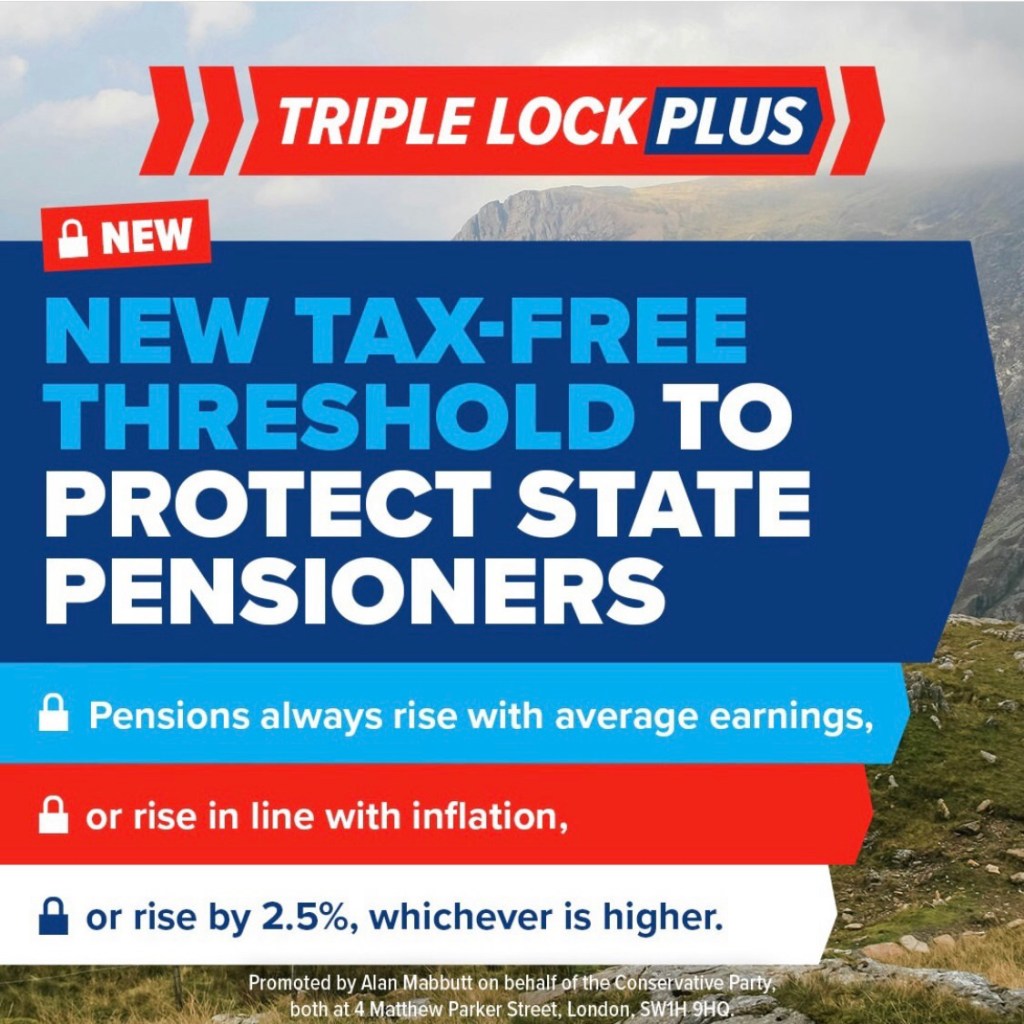
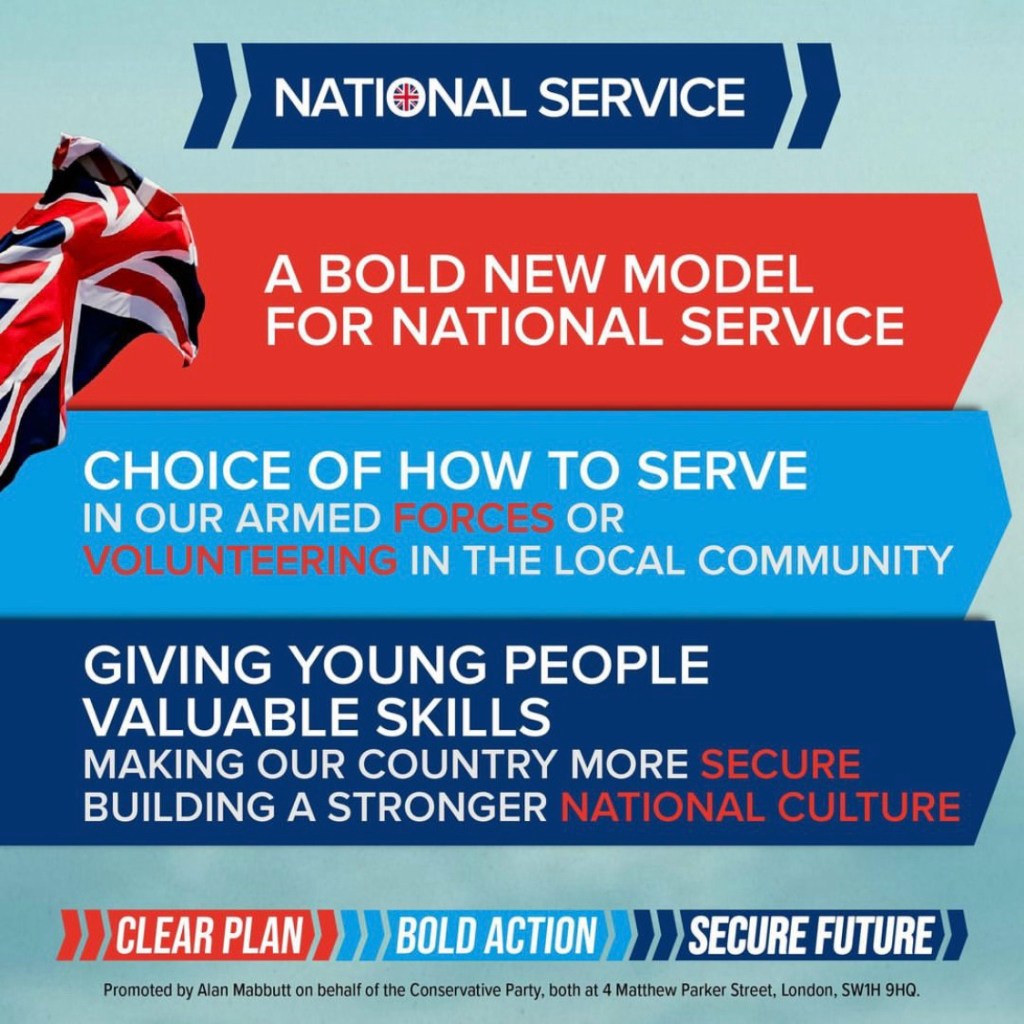
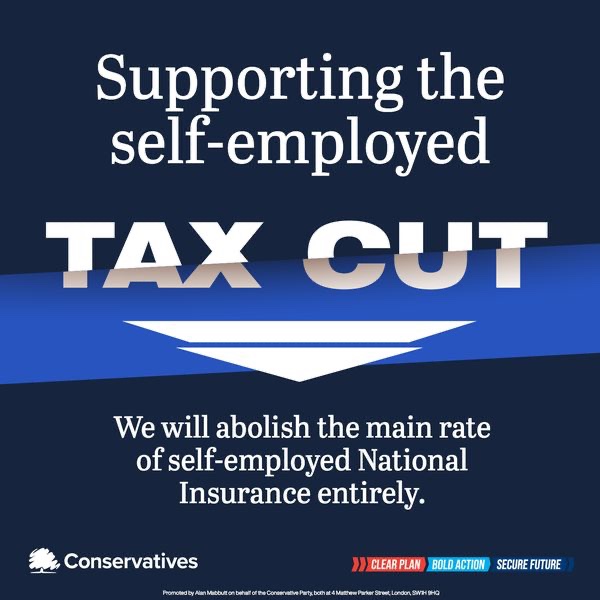
Credibility is the most precious commodity in election campaigns and the Conservative Party was in very short supply, which made the task of their advertising team almost impossible. But this vomit of attack lines did not do them any favours. WhoTargetsMe analysis shows they only ran 7 paid ads on Meta promoting their policies throughout the whole campaign.
The legendary political strategist Lynton Crosby talks about campaigns needing to “earn the right to go negative” by clearly stating the positive case for voters to choose them. The Conservatives certainly got nowhere near earning the right to be as negative as they were.
It is also not easy to provide a coherent narrative when you are fighting on several fronts; the Conservatives had to defend against Reform, the Liberal Democrats, the SNP and Labour. But this should have been factored into the campaign planning and their narrative needed to be able to flex to the various requirements. Their “anyone but Labour” approach to advertising didn’t come close to the level of nuance required.
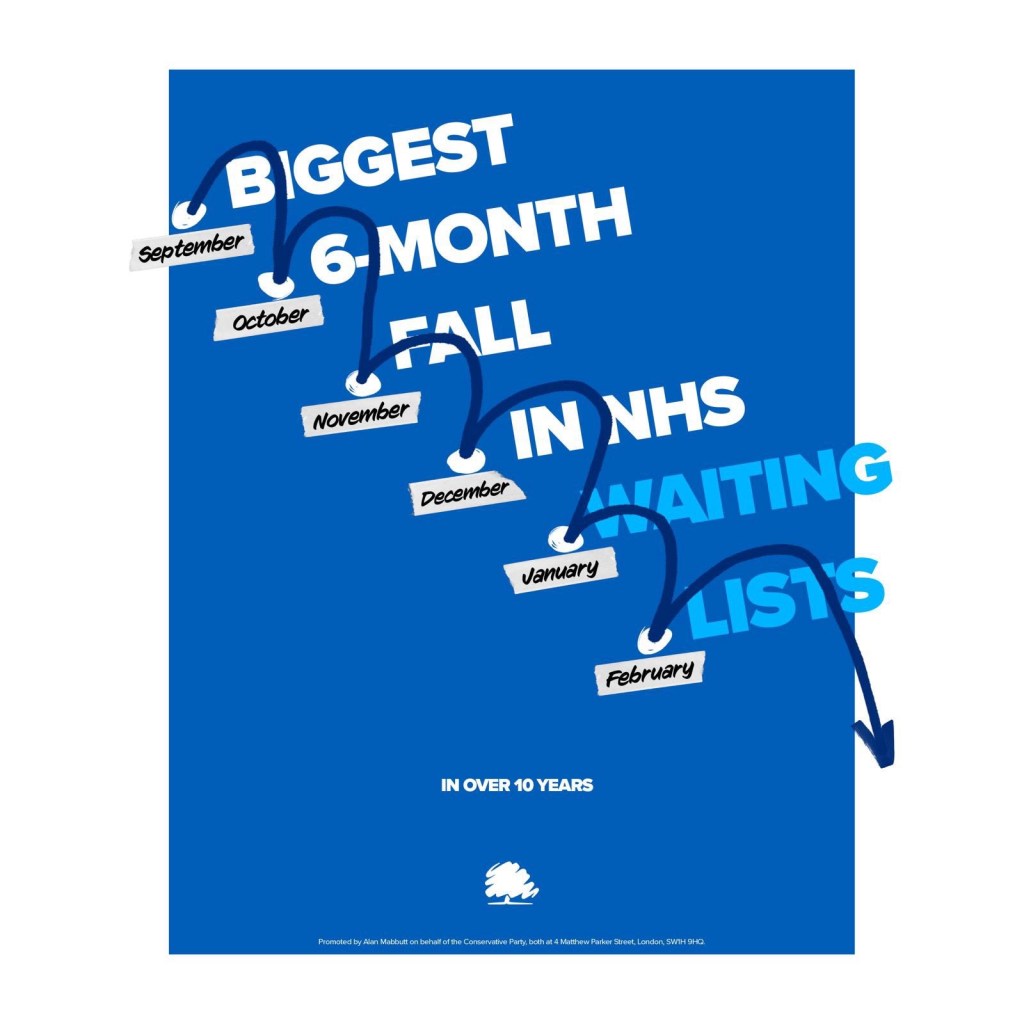
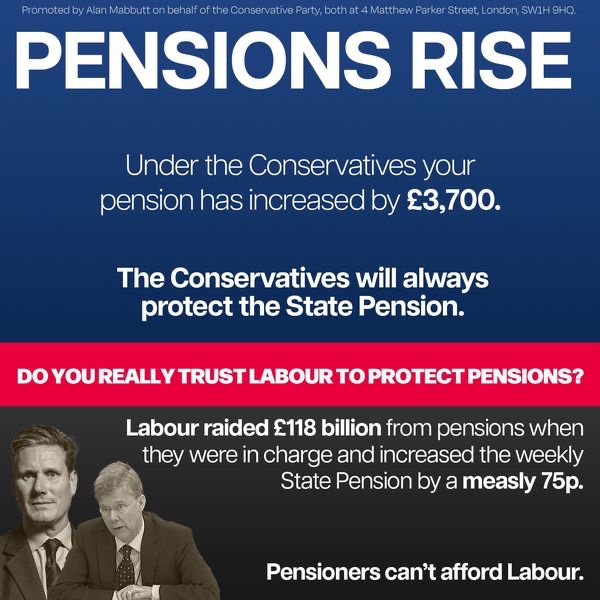
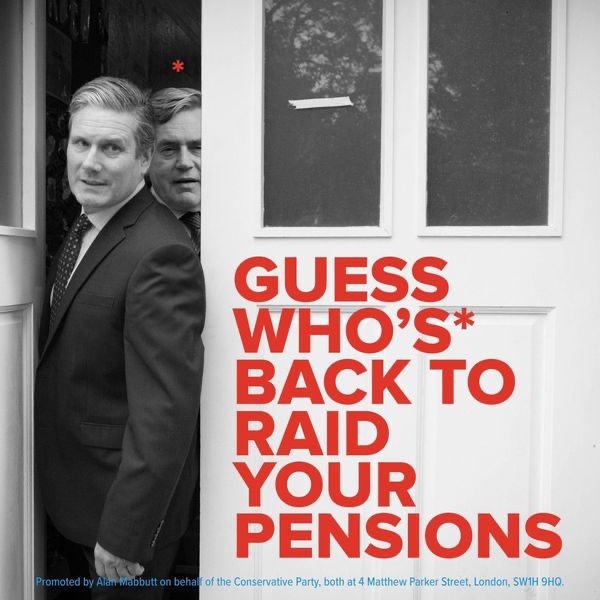
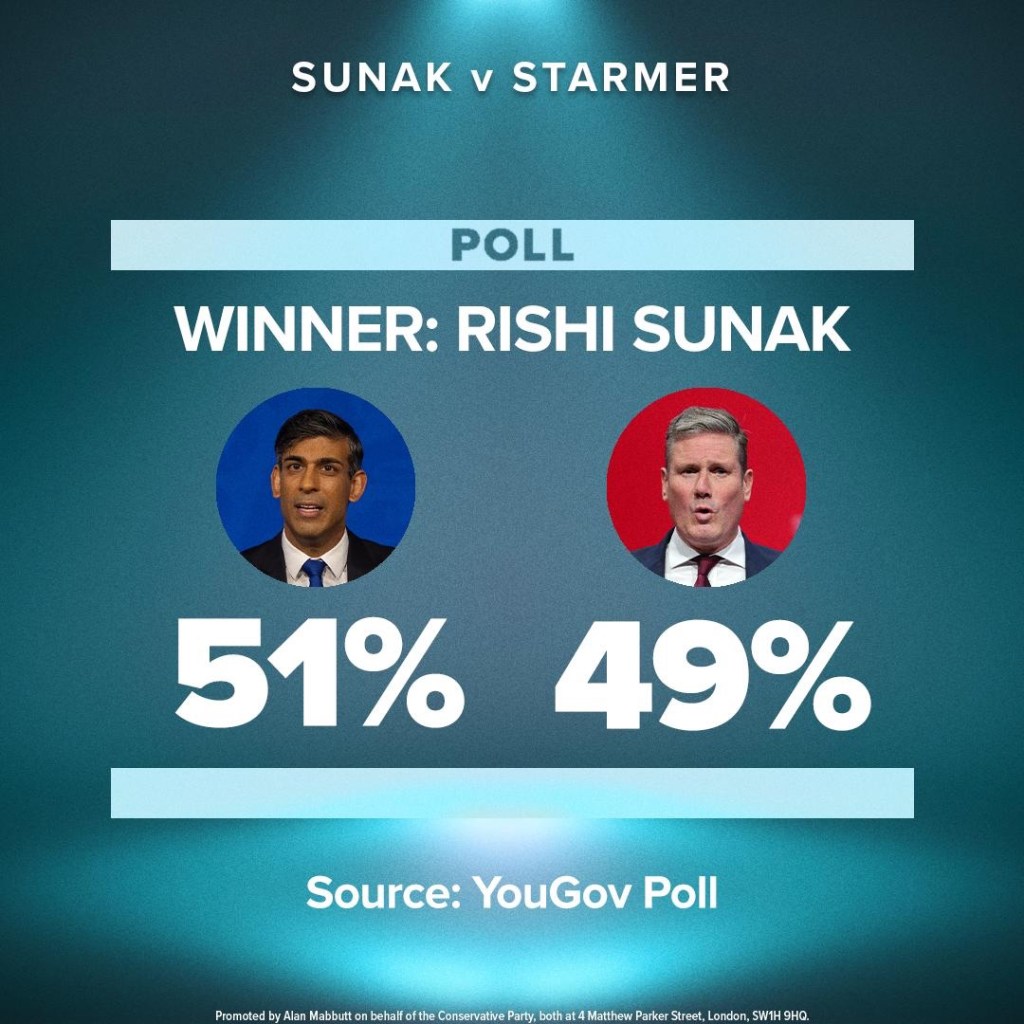
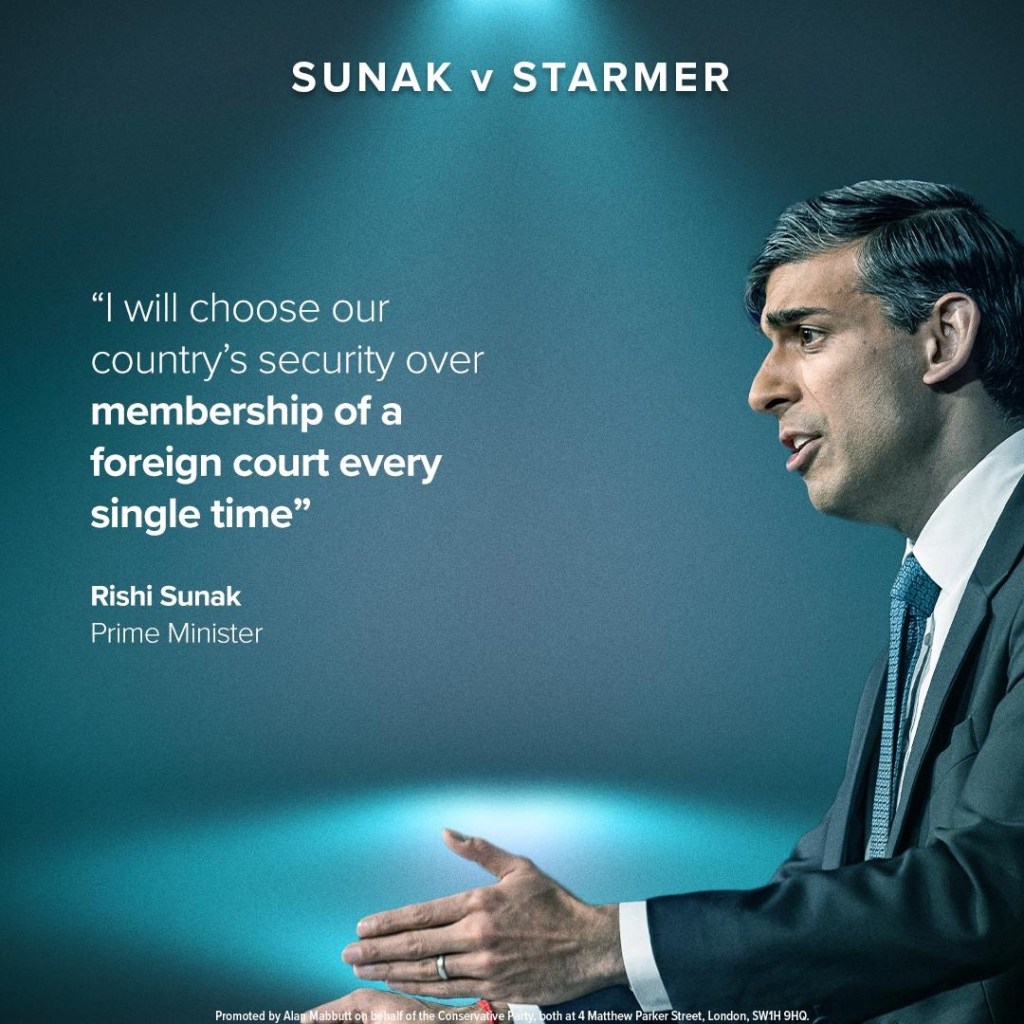
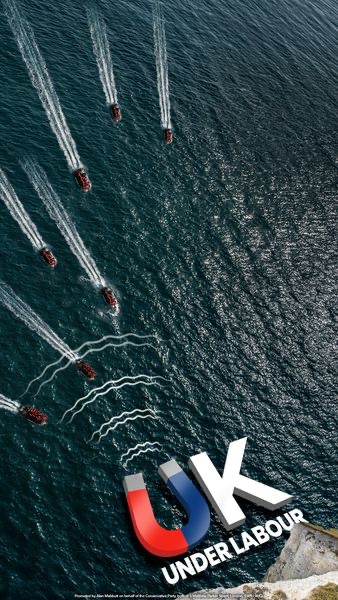
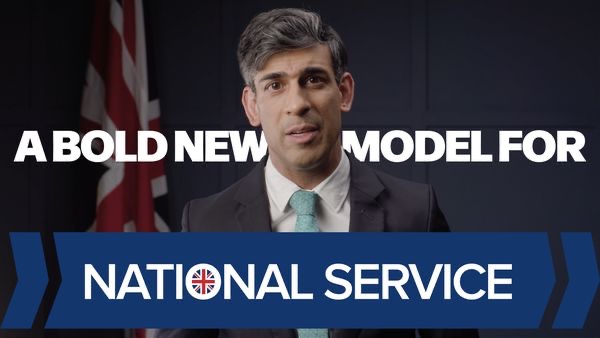
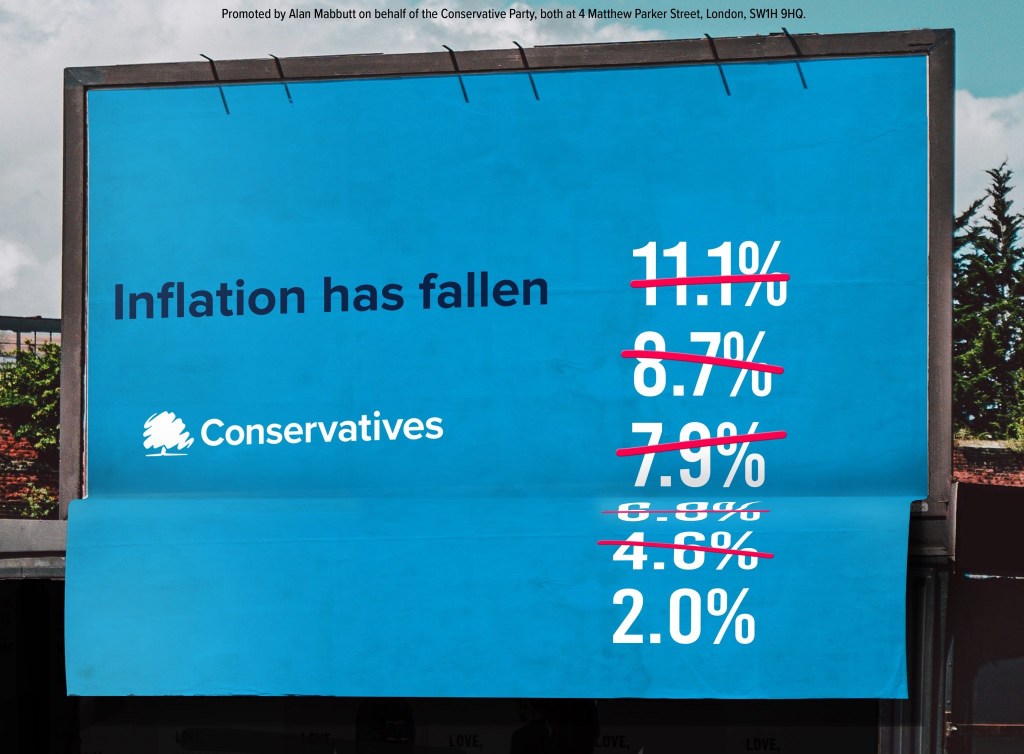
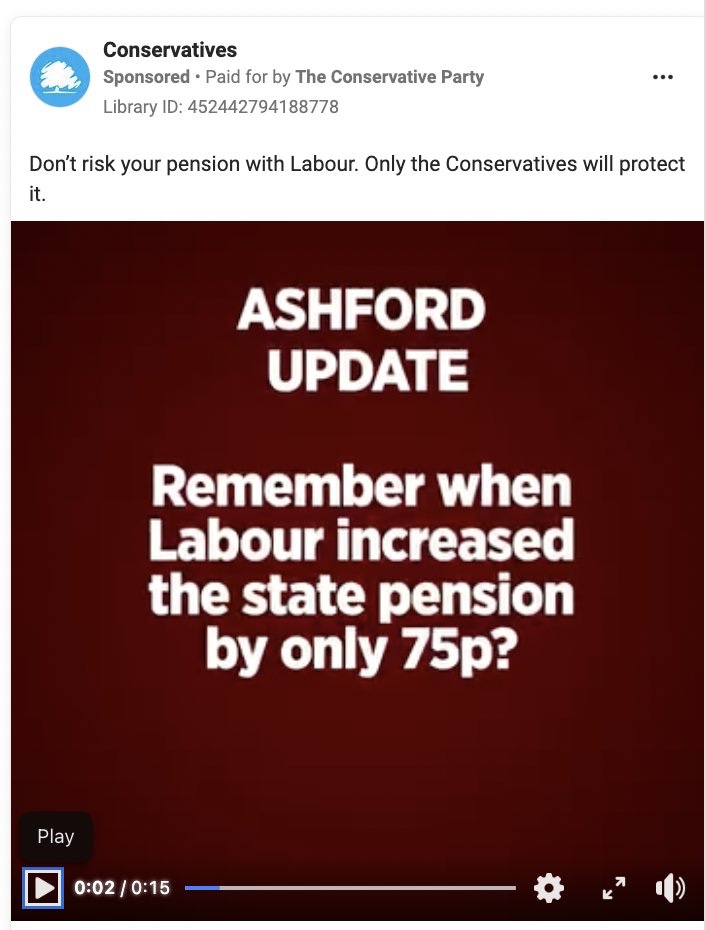
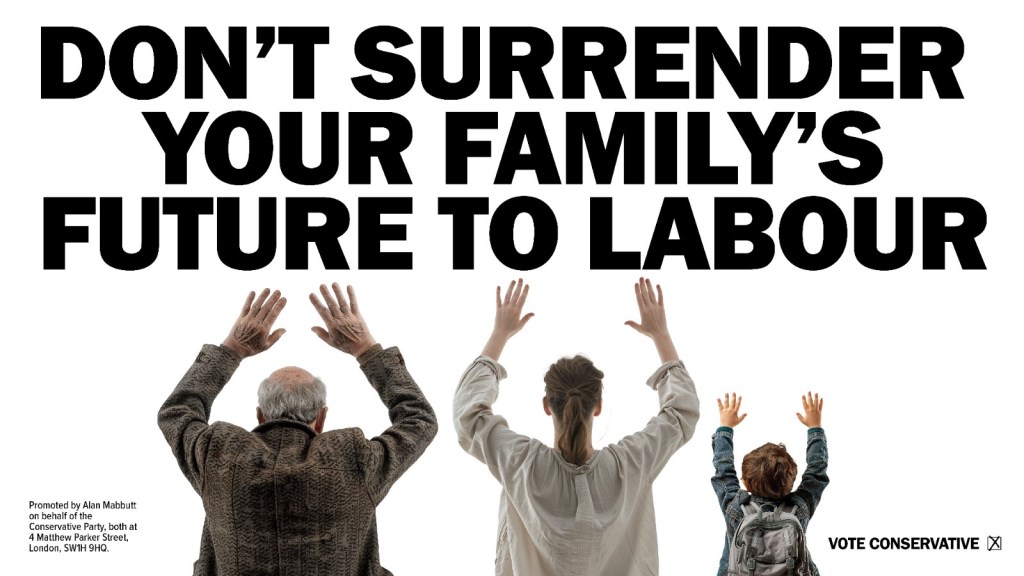
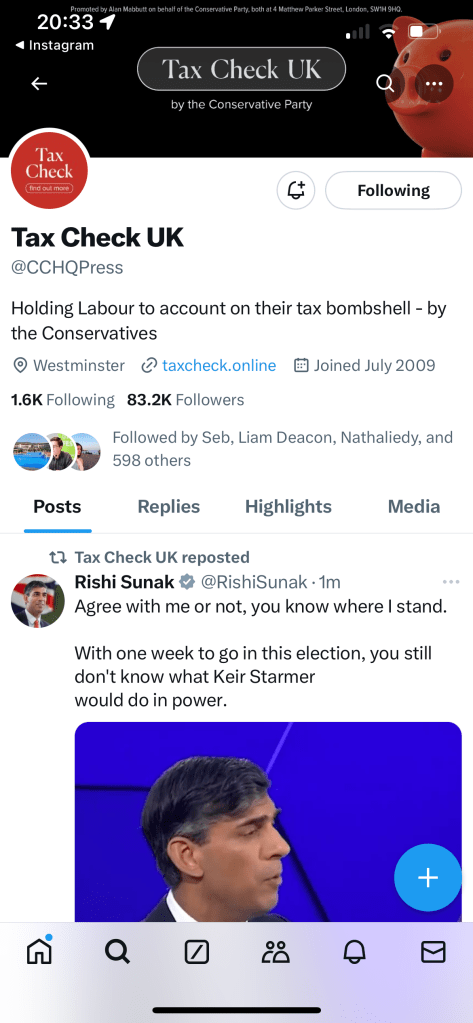
Here’s a collection of Conservative adverts from general election 2024. They all caught my eye for one reason or another. You can also find some of their video ads on my YouTube channel.







































 politicaladvertising.co.uk
Conservatives: shambolic in Government, shambolic in Adland. 40+ years in advertising taught me that a client’s behaviour towards its agencies and advertising was very often symptomatic of its total operation. So true of these Tories.