
The Labour Party ran a fantastic campaign in the 2024 general election.
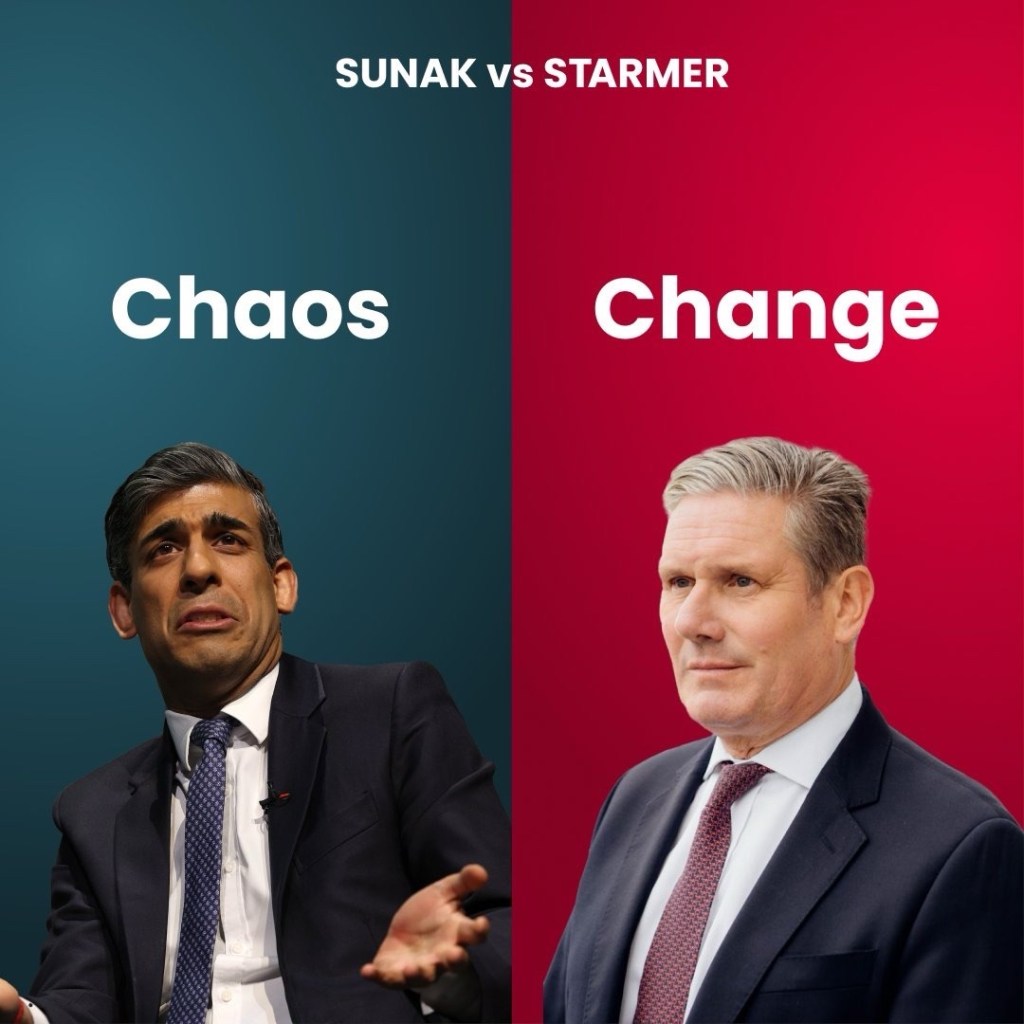
The overarching narrative made the case that it was time for a change because the Conservatives were chaotic, divided, had run out of ideas and were responsible for a period of national decline.
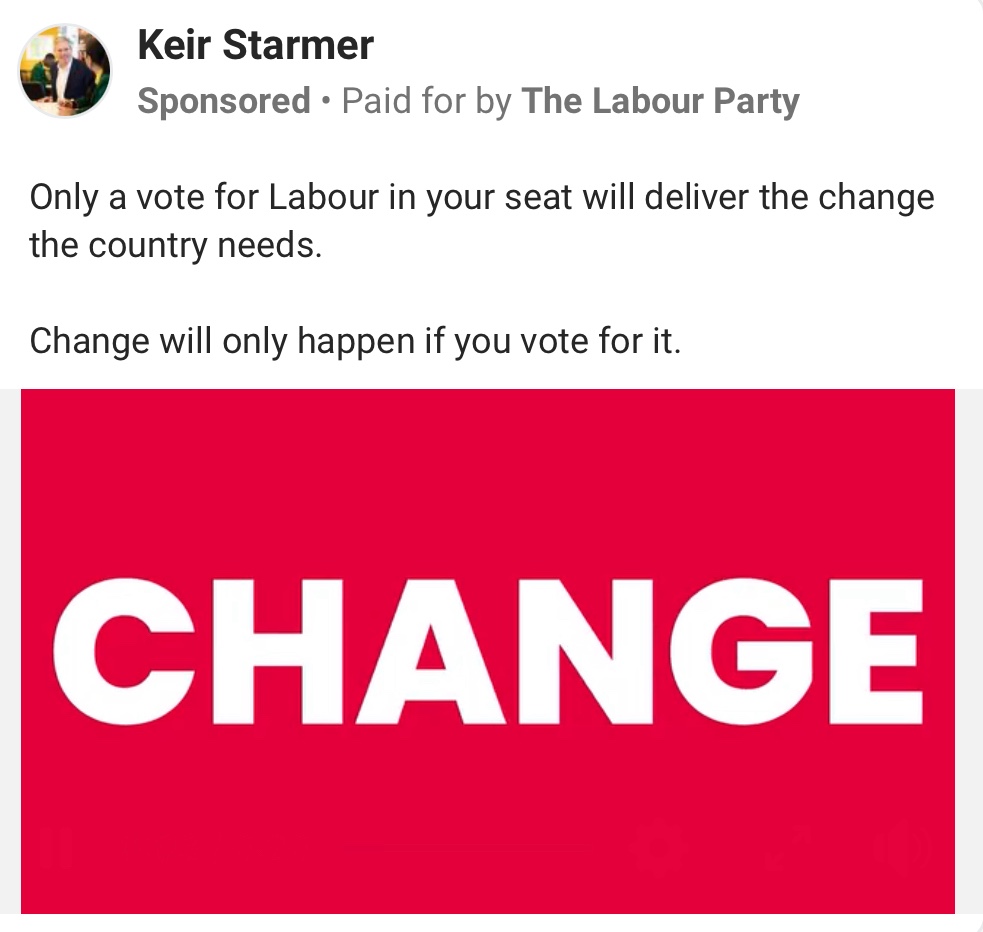
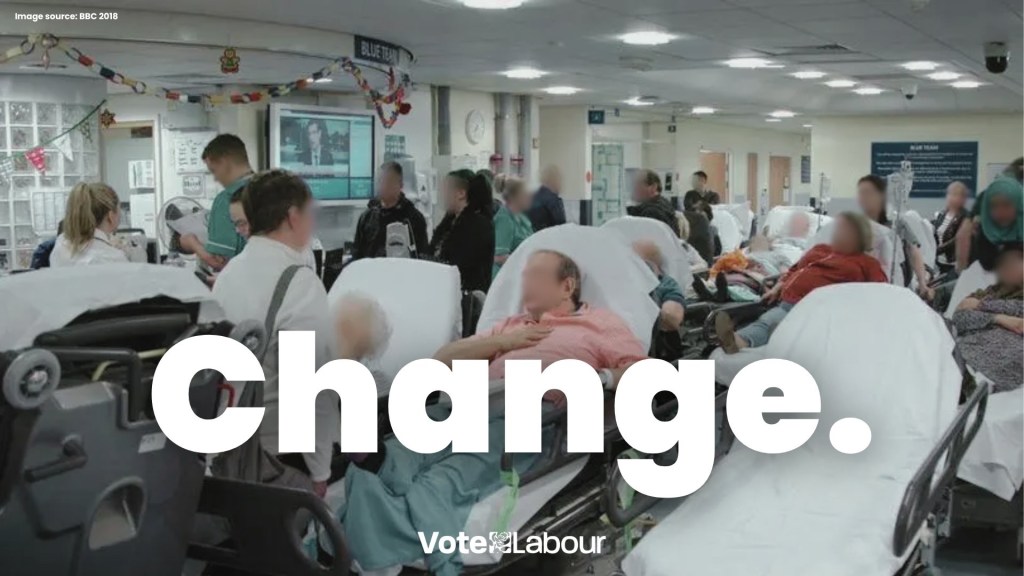
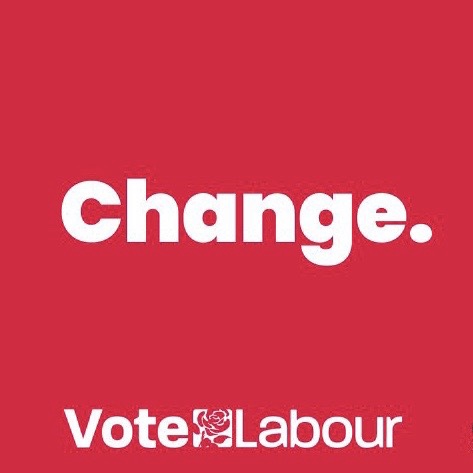
They distilled this argument into a single-word slogan “Change”. It wasn’t a campaign that promised radical change, it was designed to appeal to the median British voters’ belief that what the country needed was pragmatic, competent leadership to fix a series of fairly obvious problems.
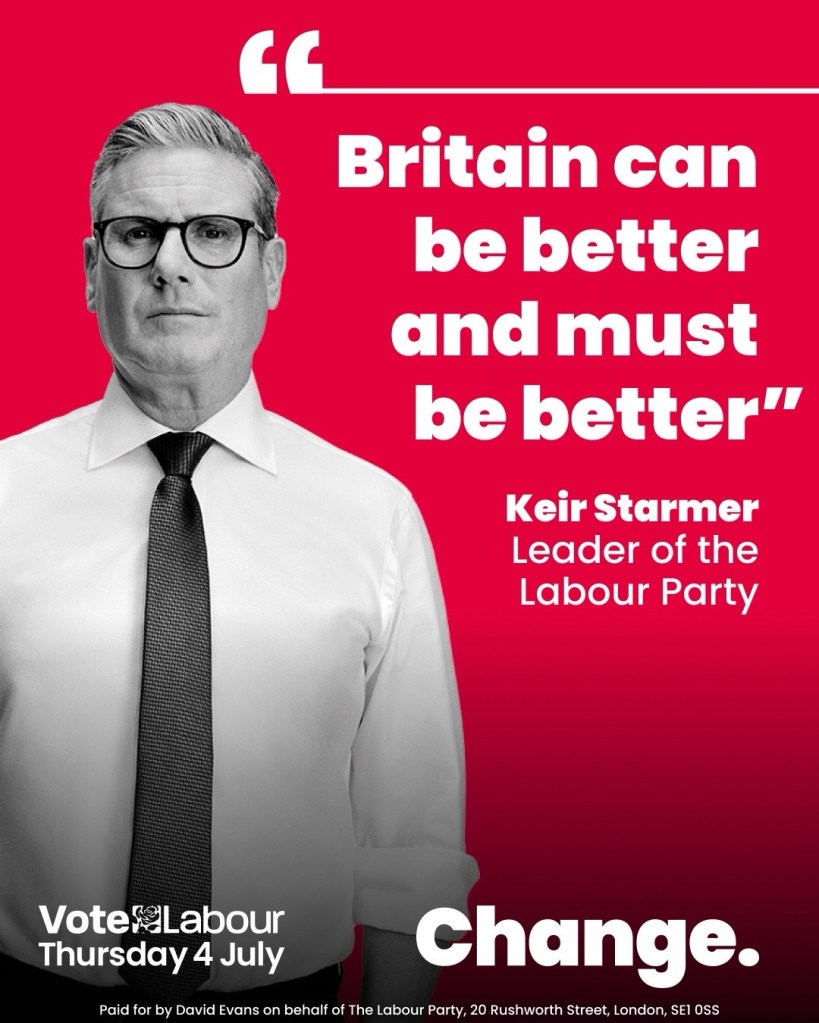
Labour was ahead in the polls as to having the leader who would make the “best Prime Minister” and deployed Keir Starmer very effectively. Starmer’s personal narrative of being a “son of a toolmaker who would make service of the country his number one priority” was clearly articulated.
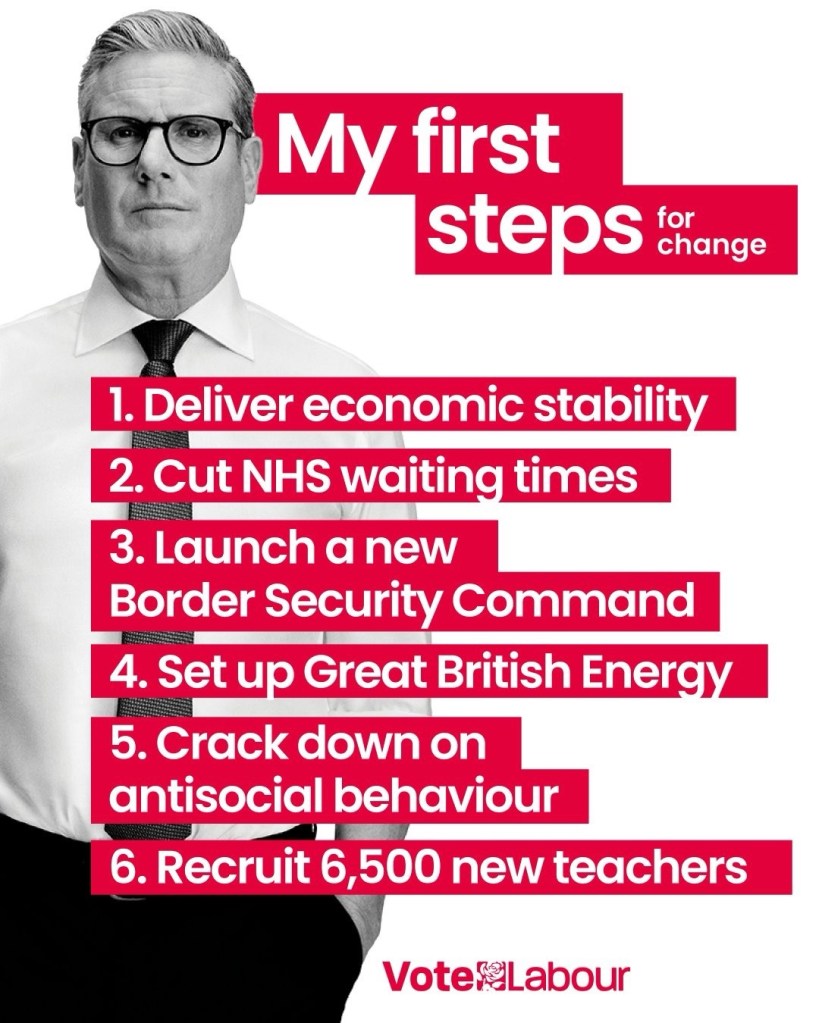
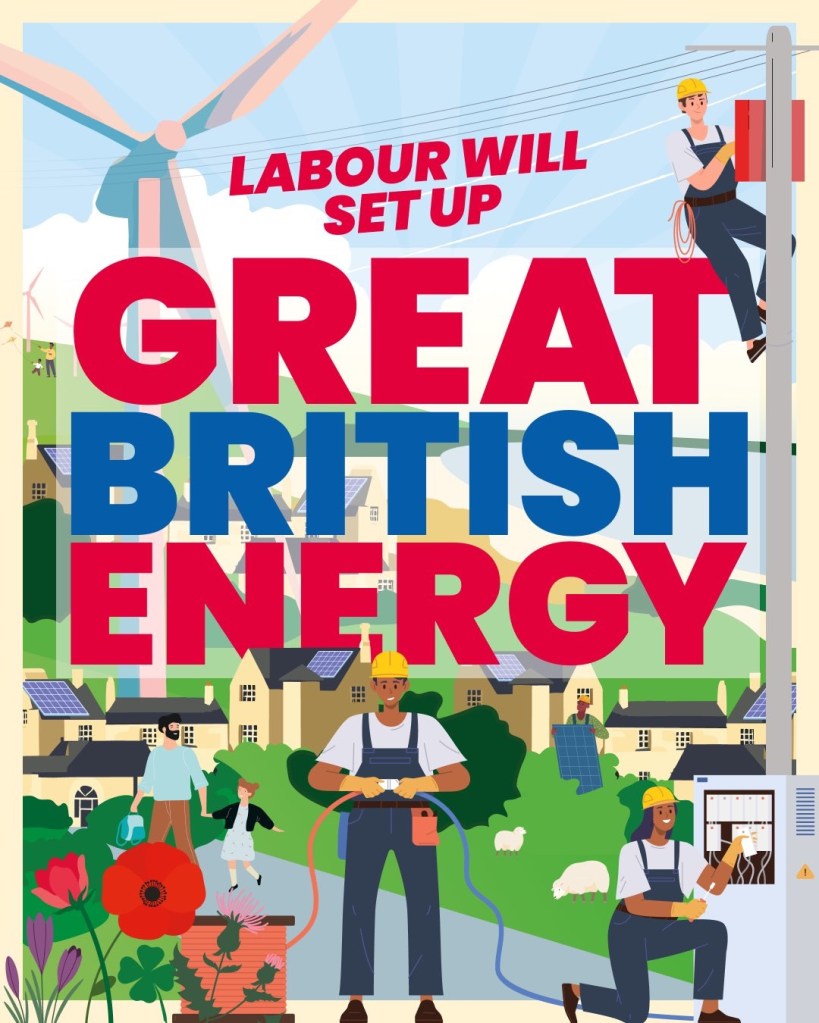
Labour had a small number of clear, simple-to-understand policy proposals which spanned all of the most salient issues and were deemed by voters to be more credible on those issues than the Conservatives were. They campaigned on these issues consistently, didn’t allow themselves to be sidetracked into talking about the barrage of new proposals that the Tories unleashed throughout the campaign, and used a range of Shadow Cabinet members to deliver the messages.
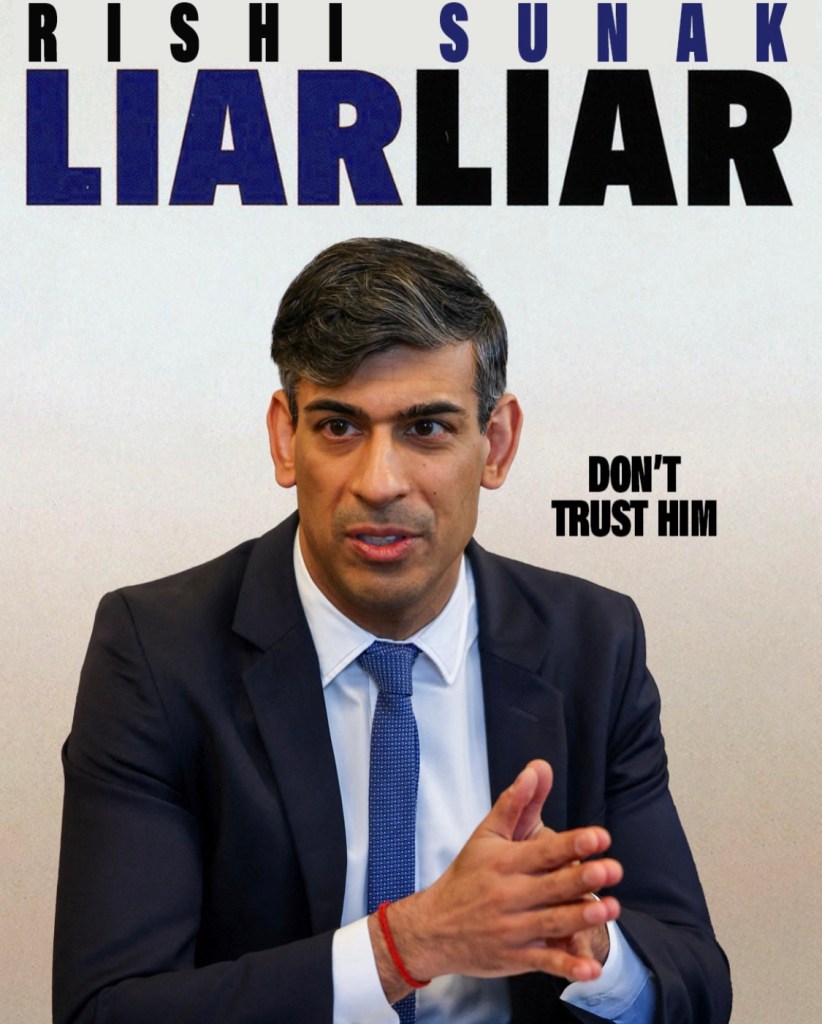
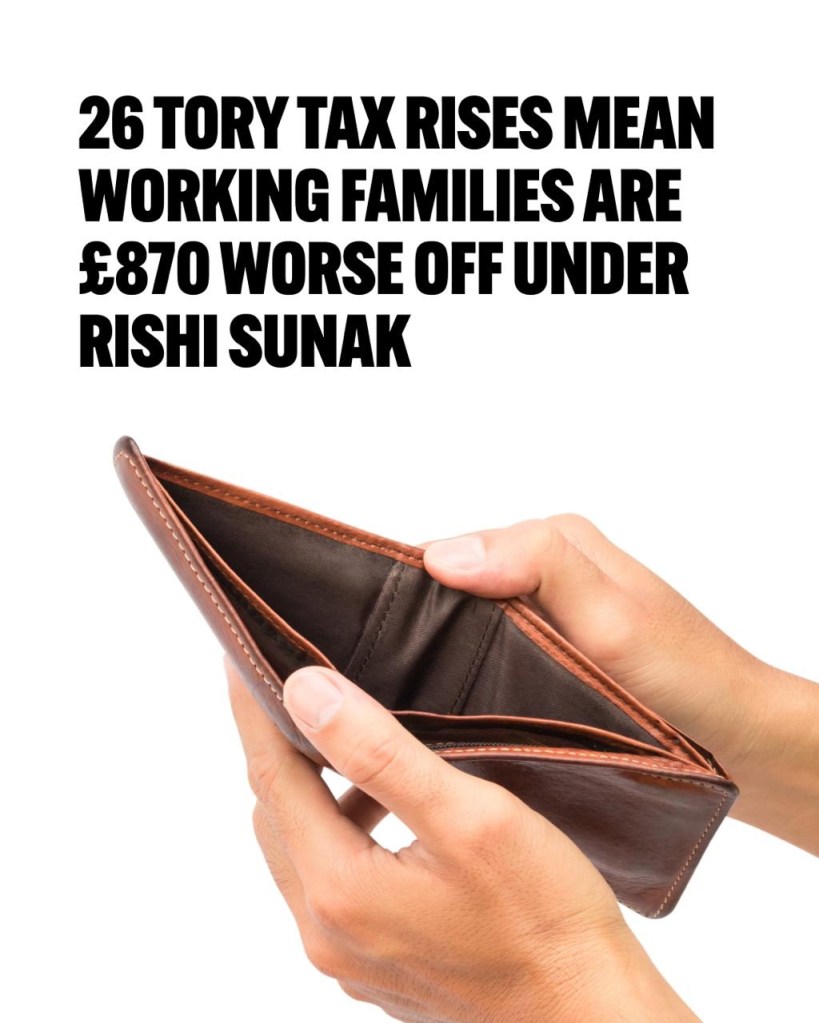
A notable element of Labour’s campaign was that attack ads often used “ordinary voters” as message carriers in videos. People who represented important segments of the population used their own words to express their anger at how the country was being run.
Labour’s paid media strategy was well executed. The bulk of their spending used location-based targeting to make sure their ads reached people in battleground seats. But that aside they didn’t add other layers of targeting, which meant that they could reach more voters with the same amount of money (extra targeting typically means a high cost per ad impression).
As there were lots of voters who were changing their minds on who to vote for, maximising reach was a sensible play. The creative used in this broad-reach advertising was designed to persuade voters.
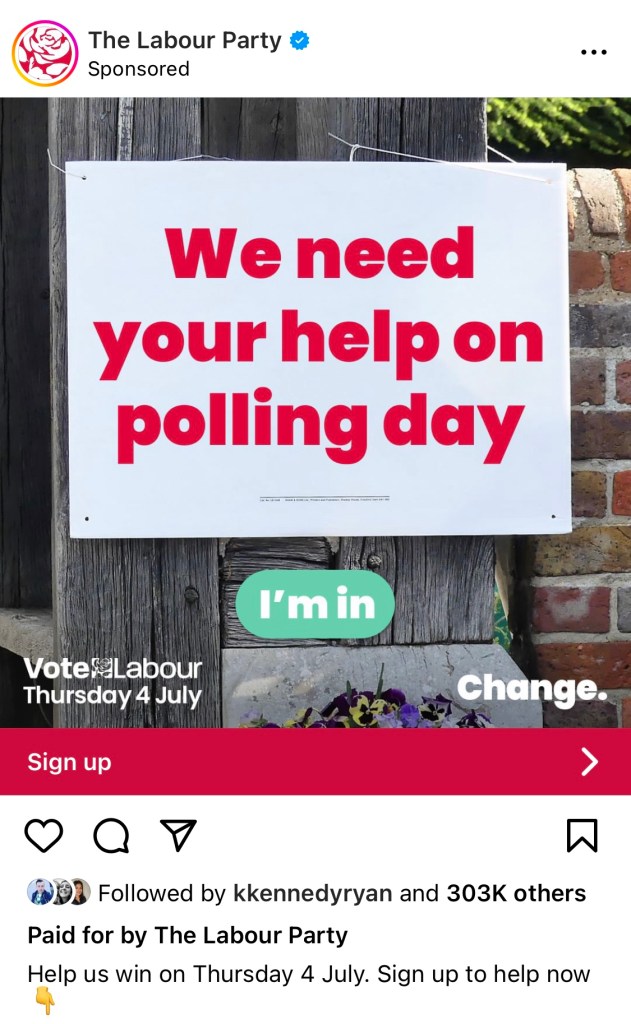
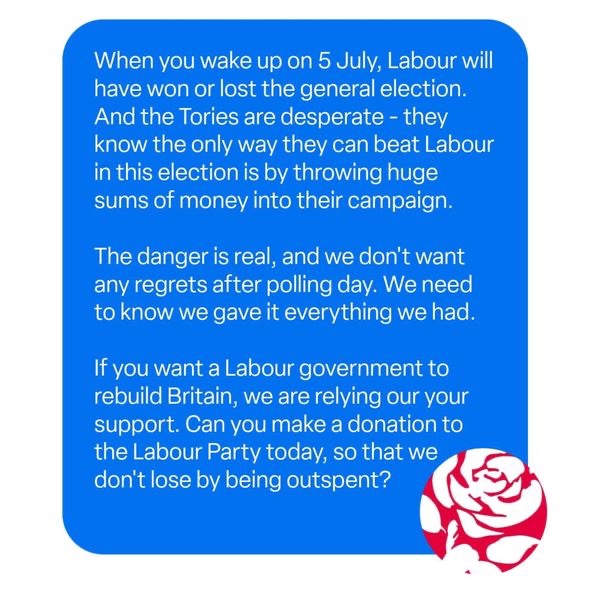
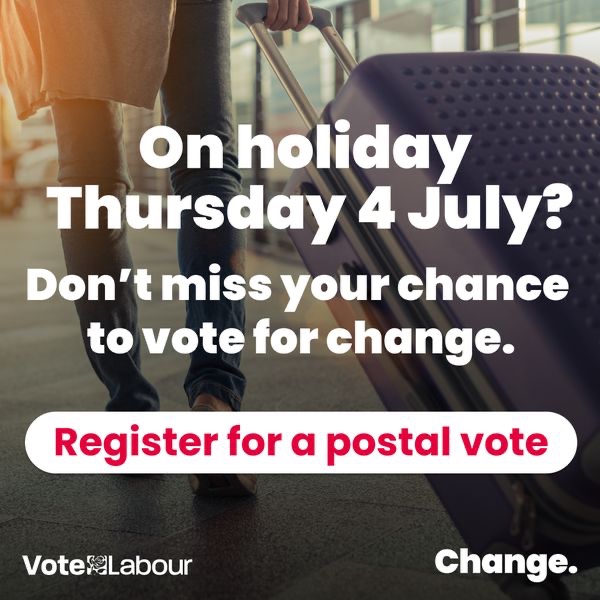
Labour of course did use targeting to reach certain segments of voters, for example, potential donors or advocates, but this was secondary to casting their net more broadly.
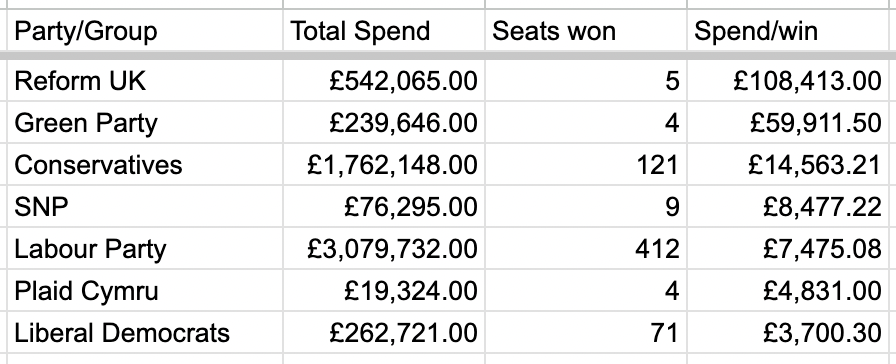
Labour media spend was much bigger than their opponents. According to Google’s data, Labour has spent more than £1.5M on ads on their platform since the May 22 election announcement. That compares to £115,000 from the Conservatives, around £92,000 for the Liberal Democrats and about £58,000 for Reform.
And on Meta, Labour spent just over £3 million, nearly twice as much as the Conservatives.
Below is analysis of the total party spends on Meta, which includes spend on the leaders’ pages as well as local candidates, which was compiled by WhoTargetsMe.
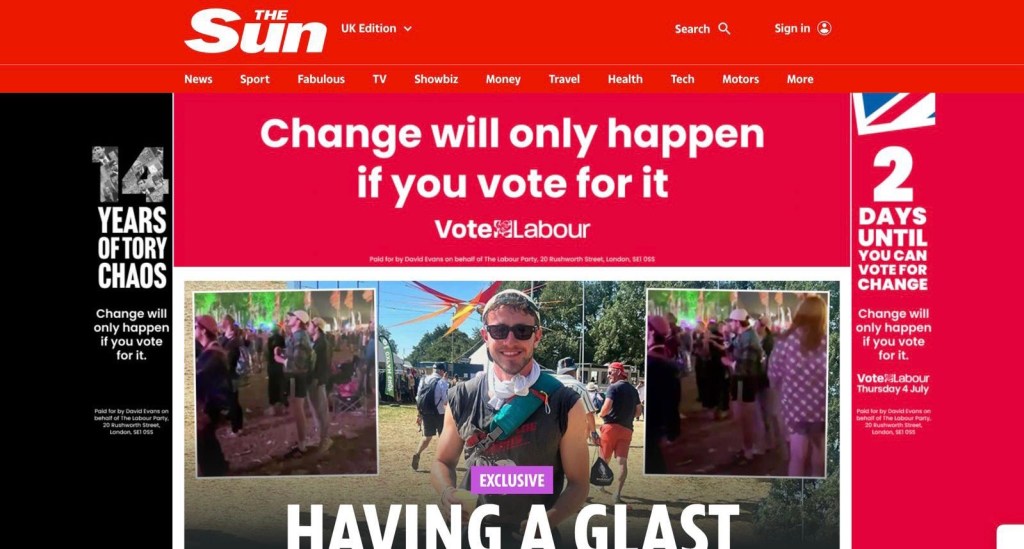
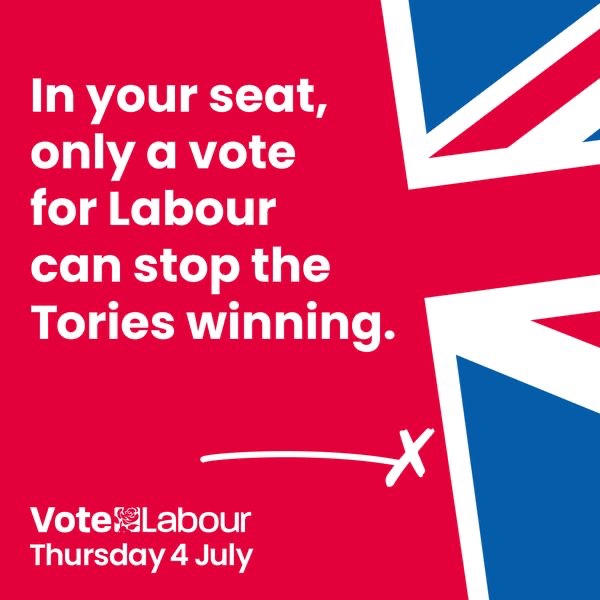
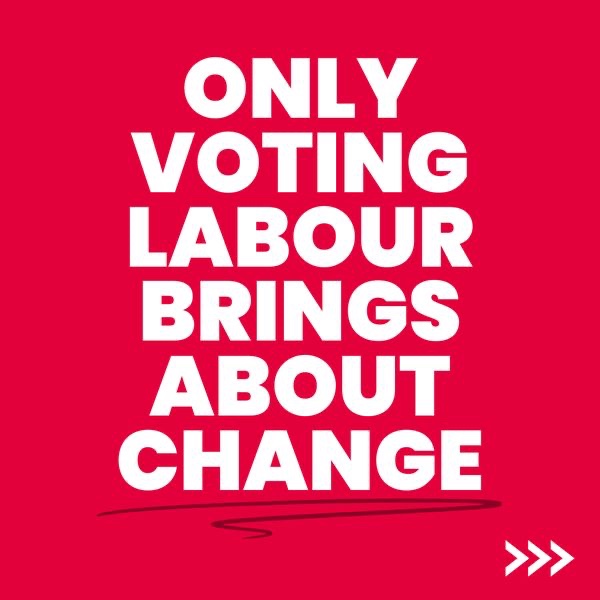
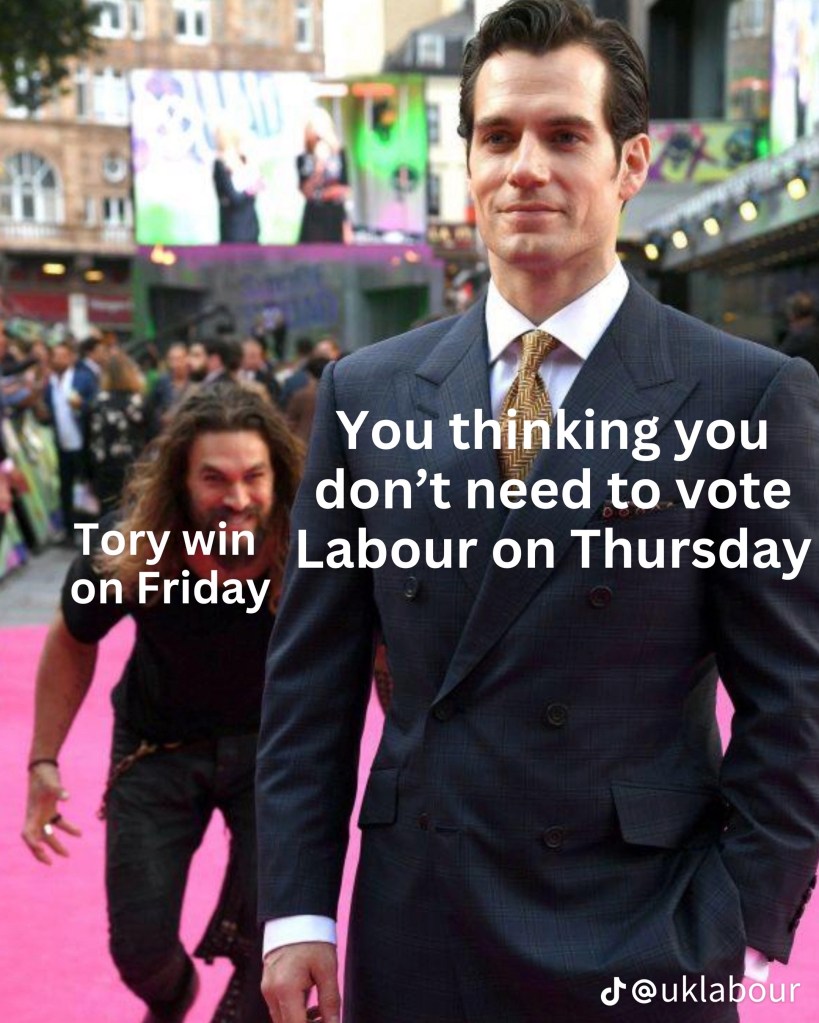
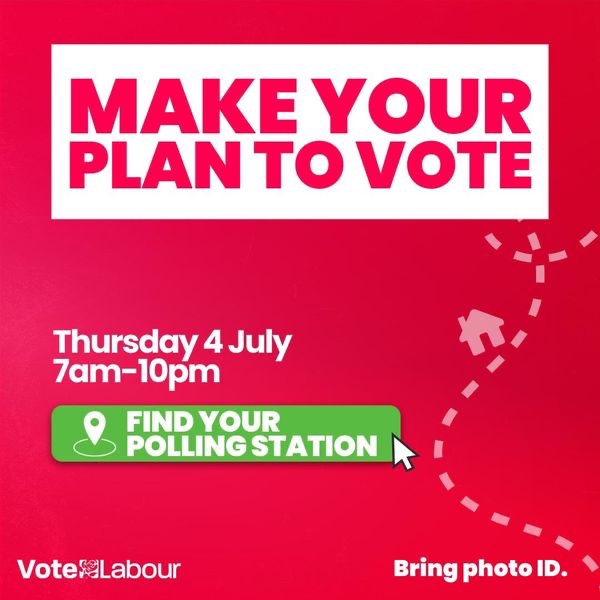
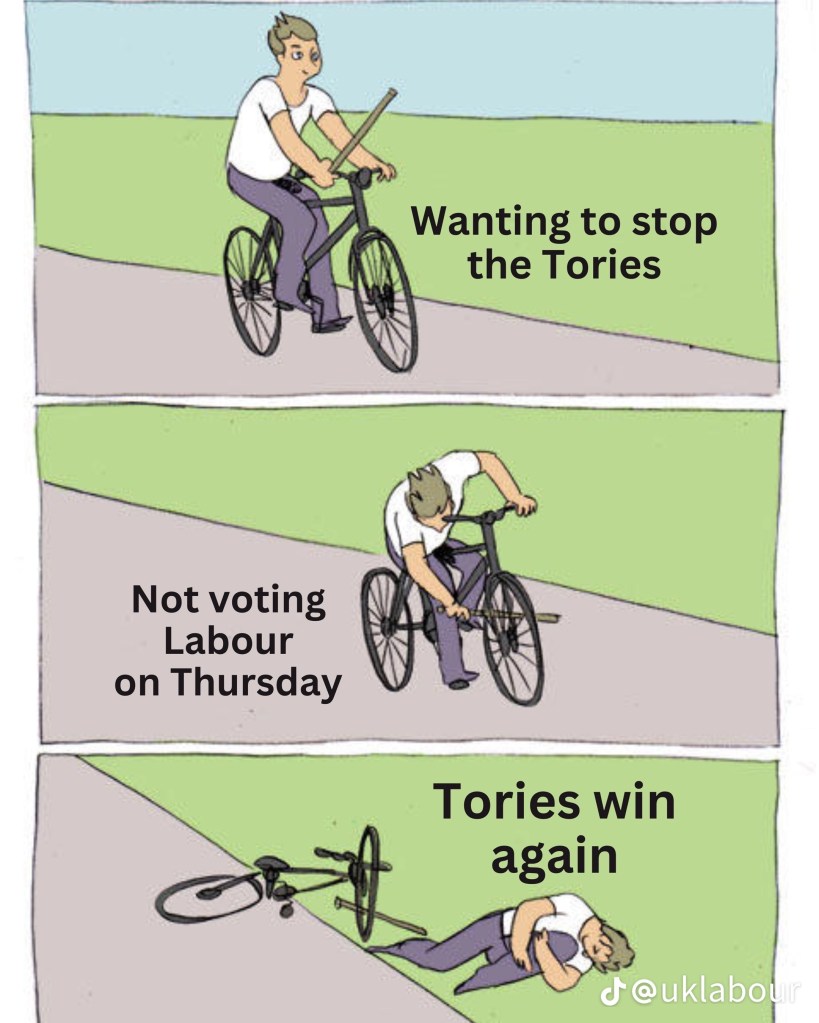
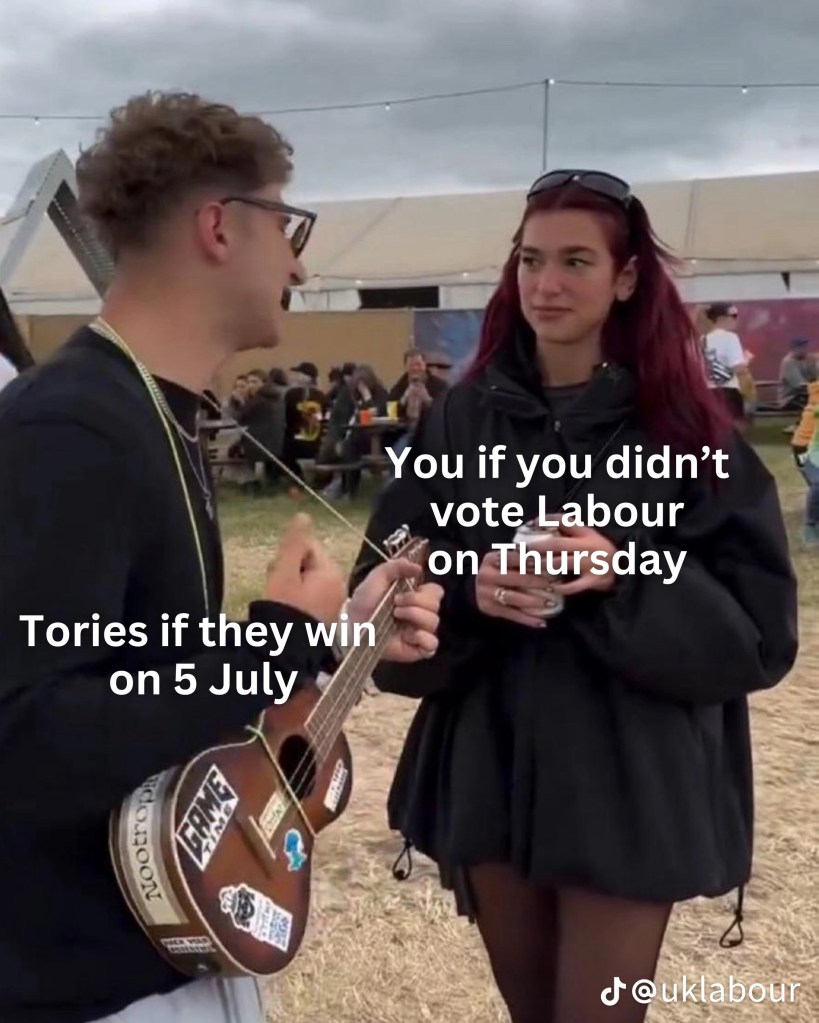
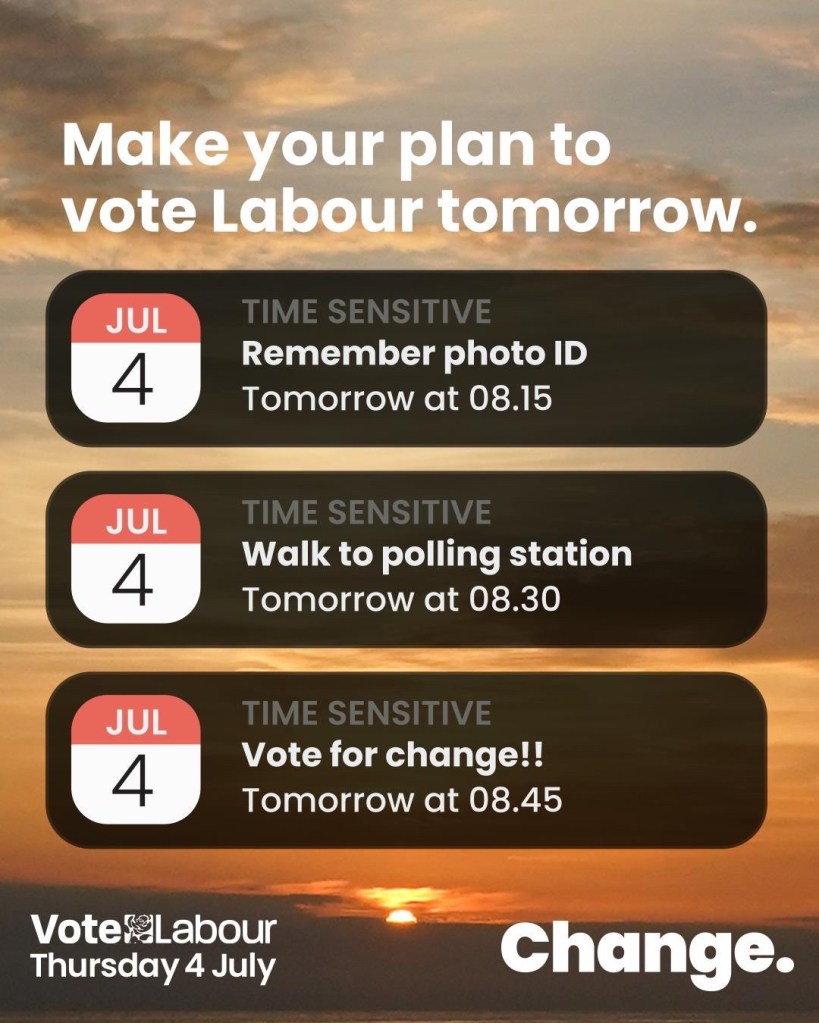
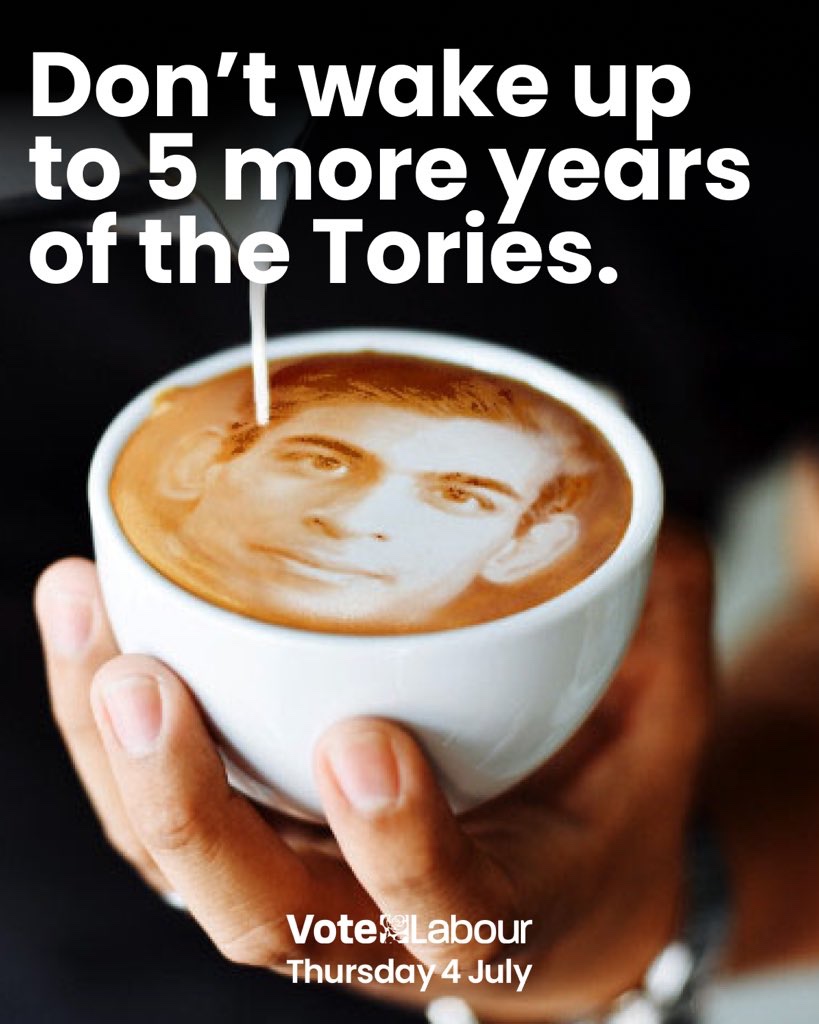
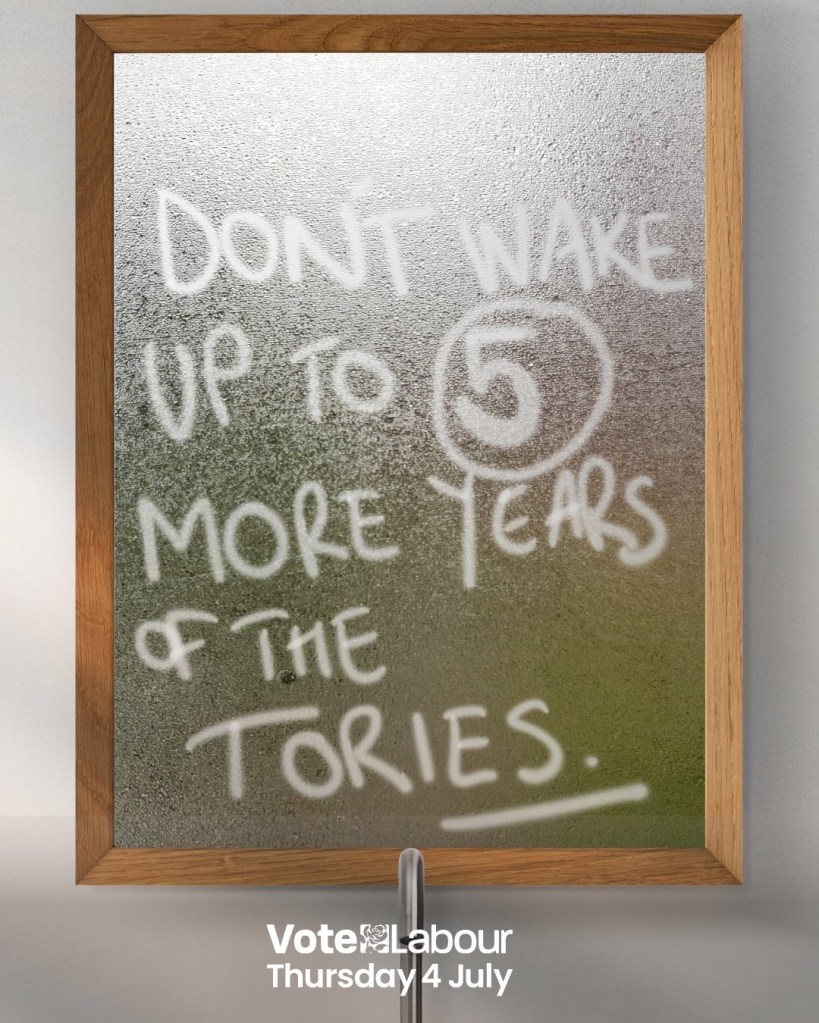
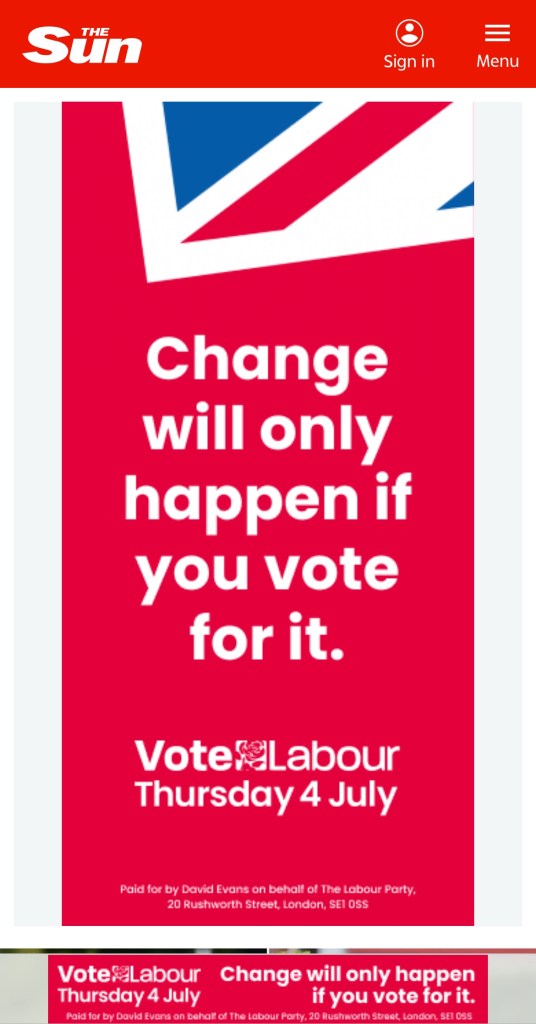
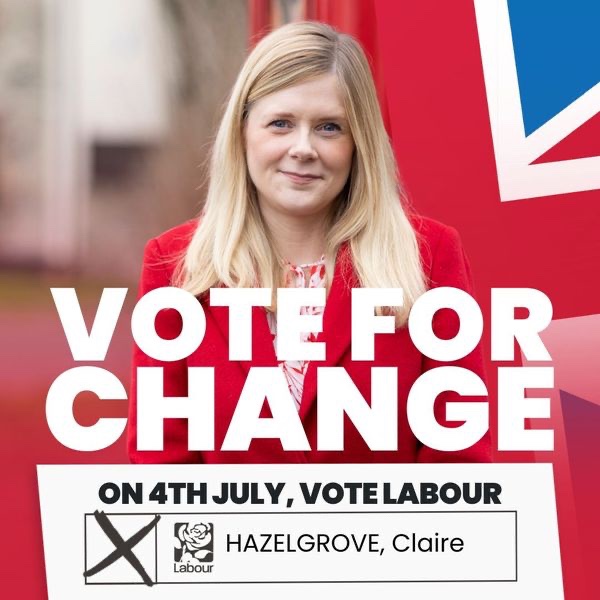
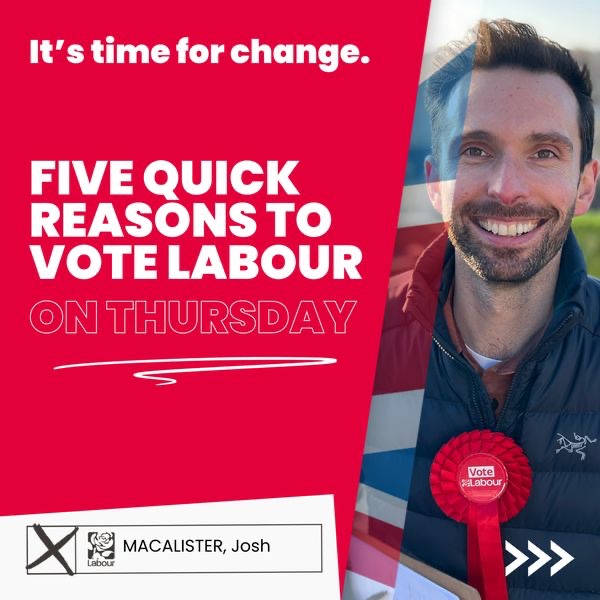
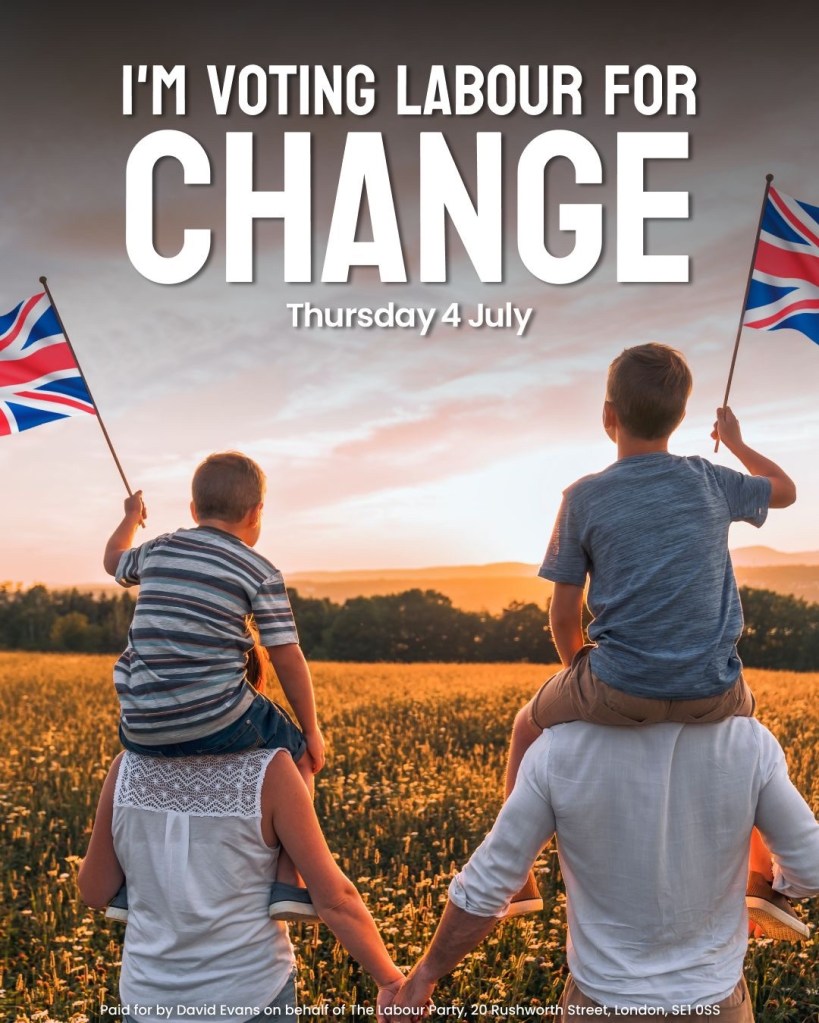
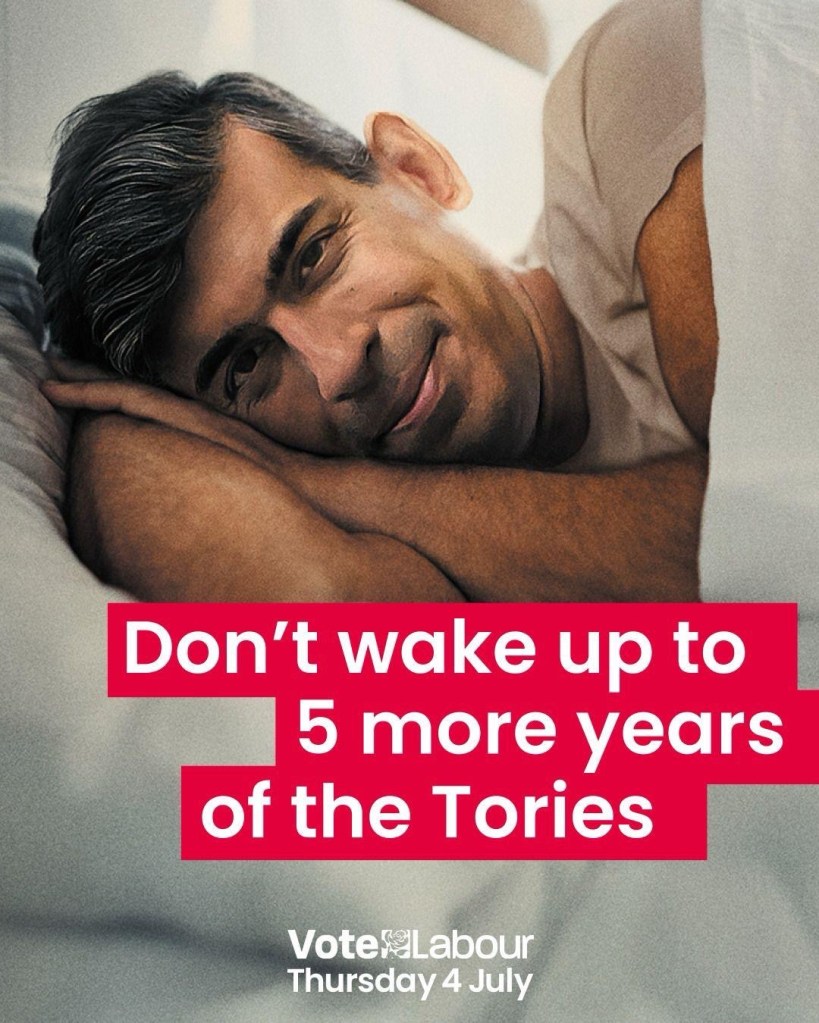
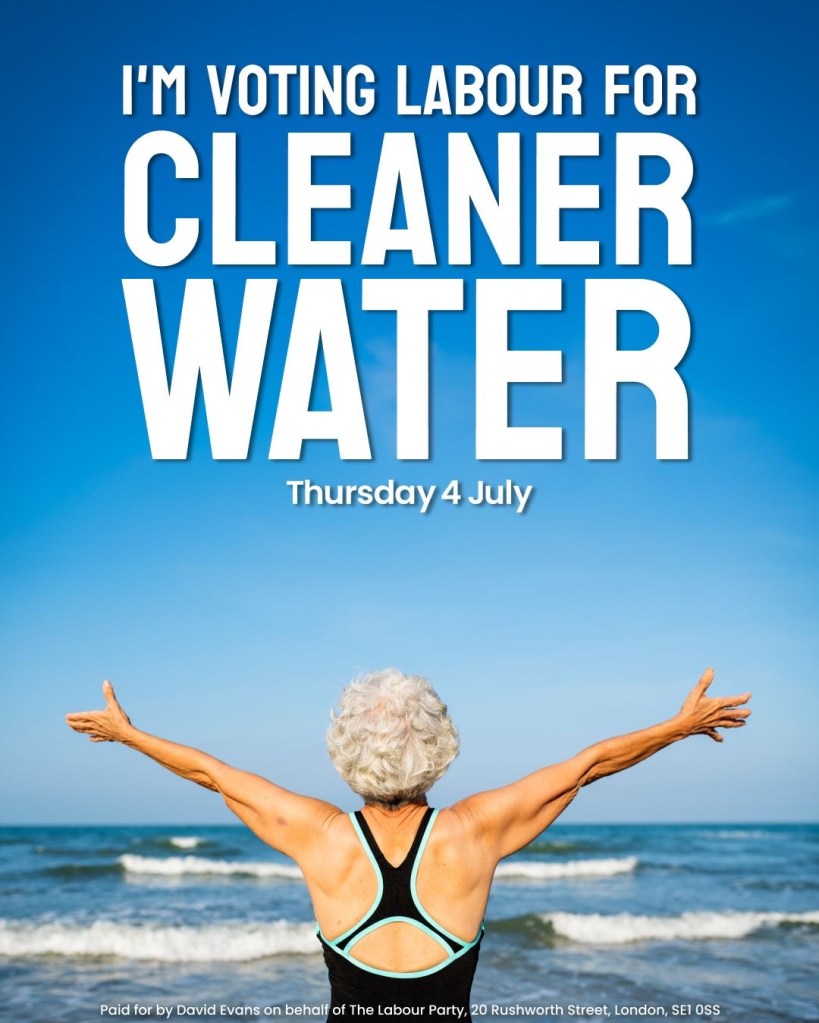
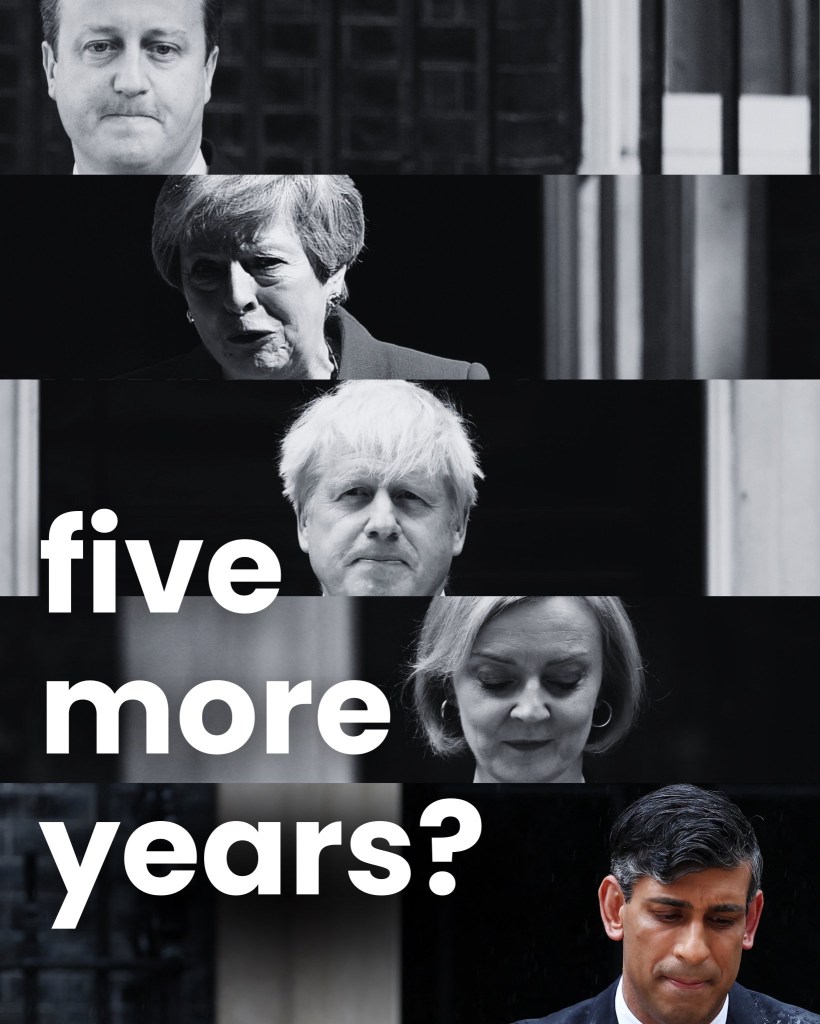
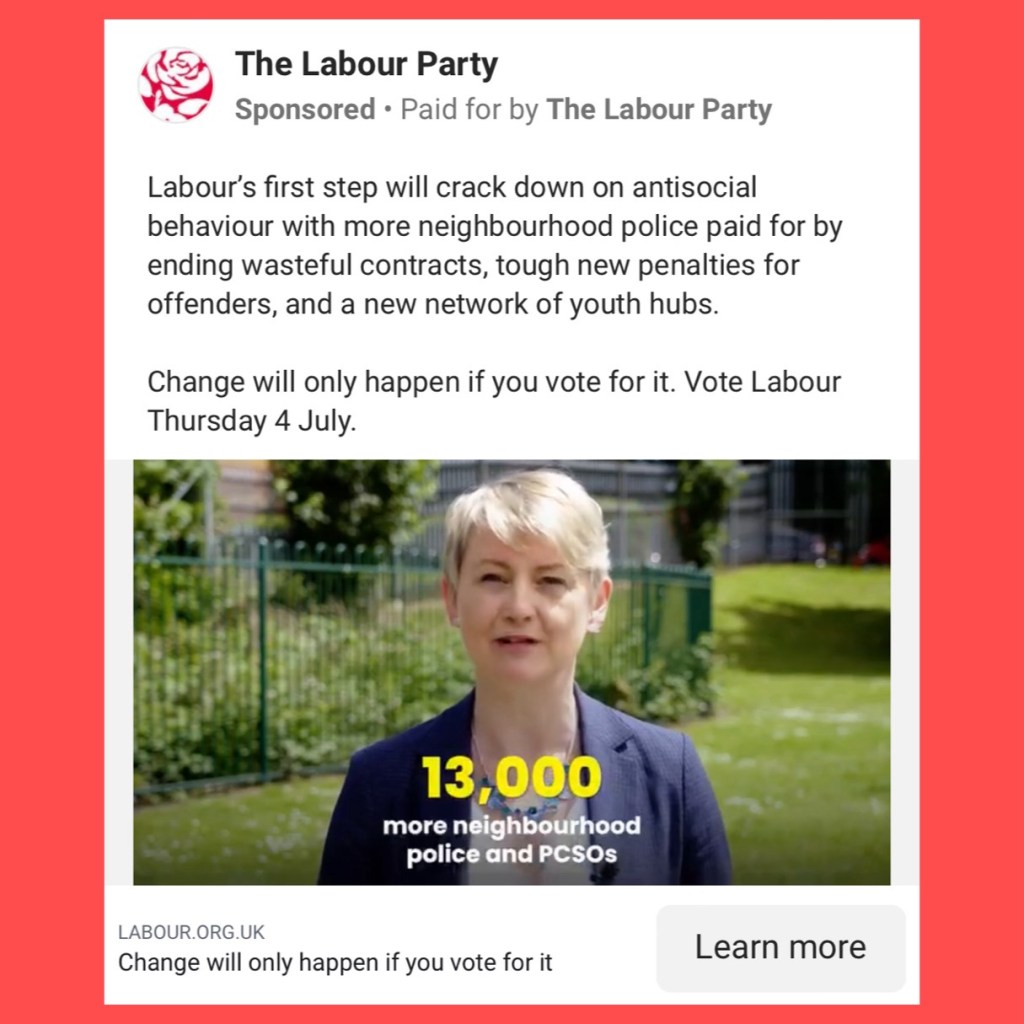
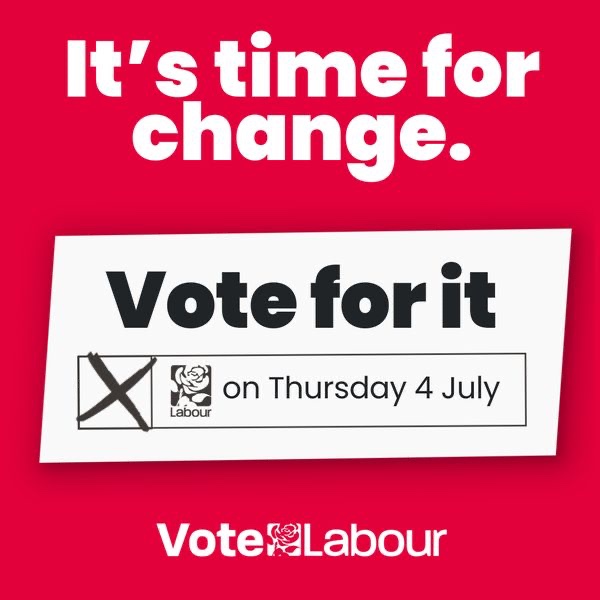
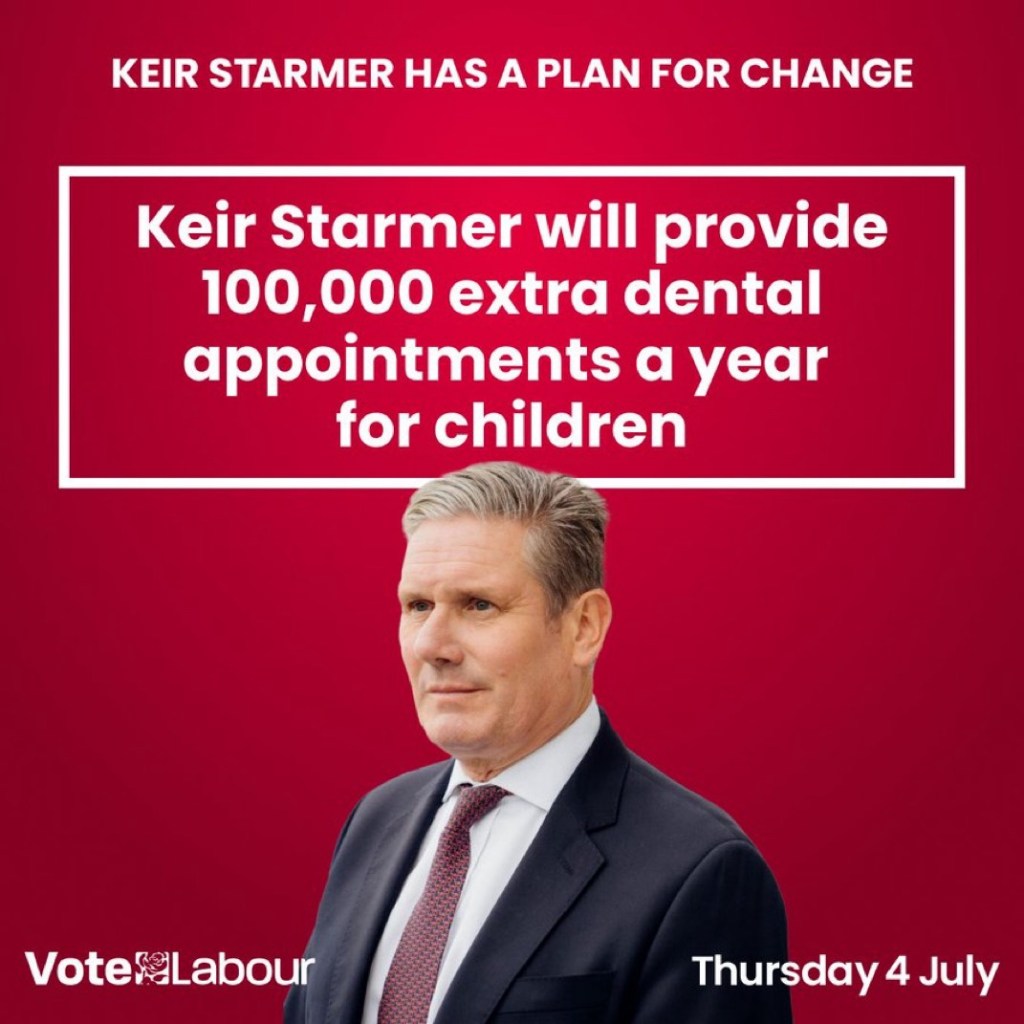
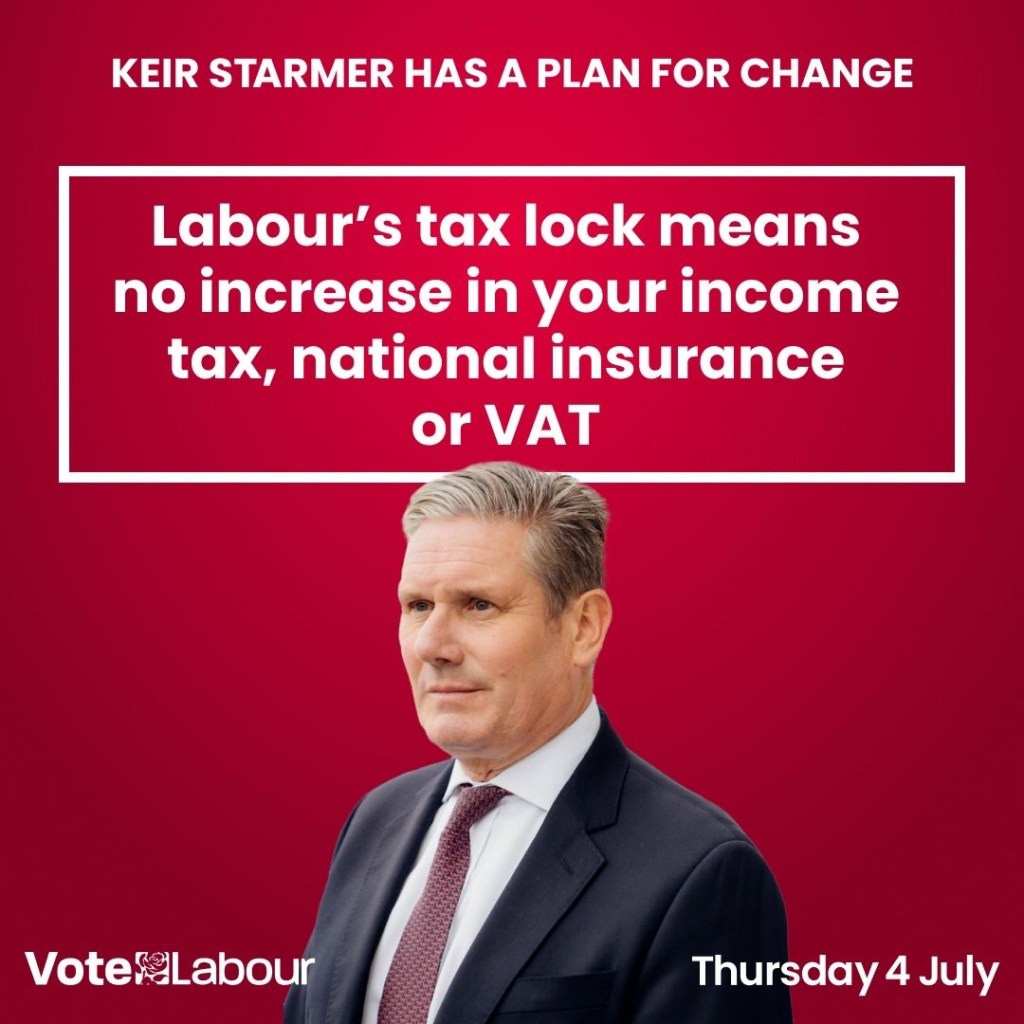
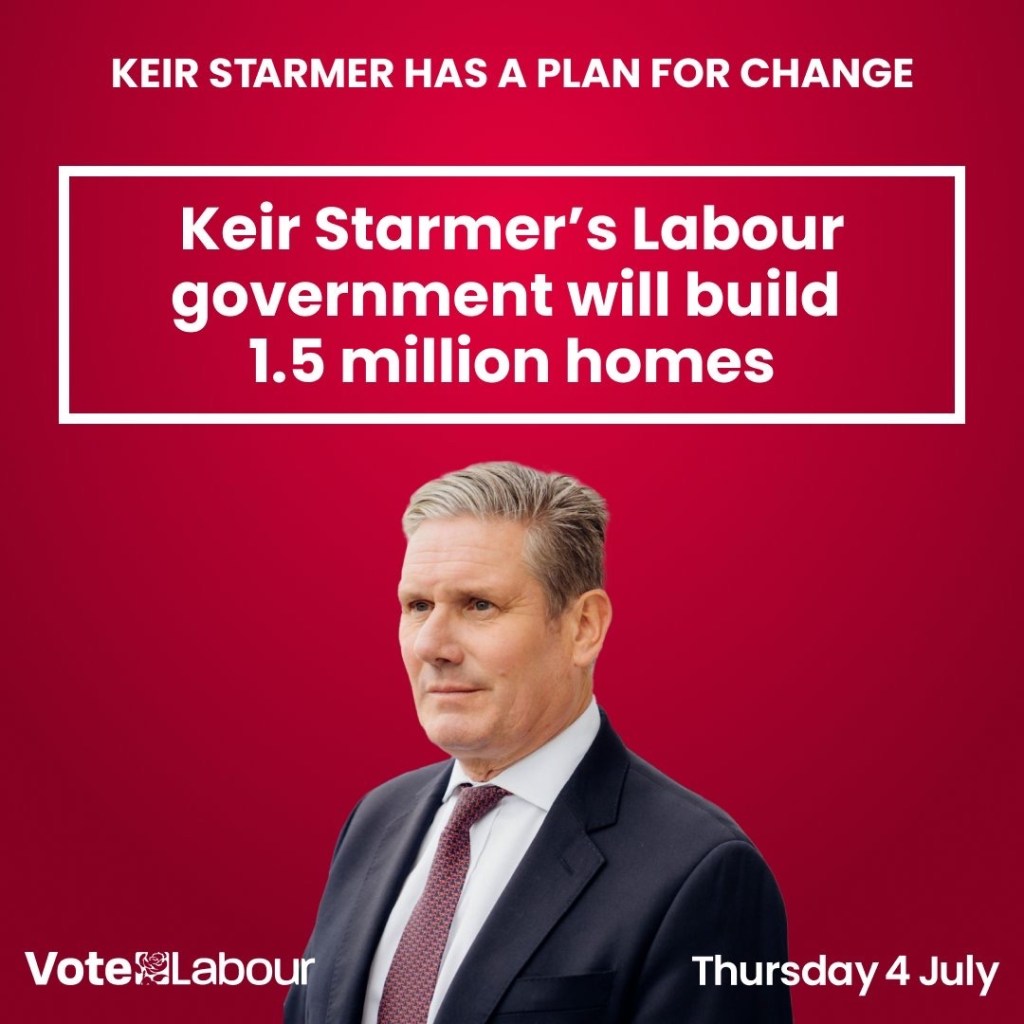
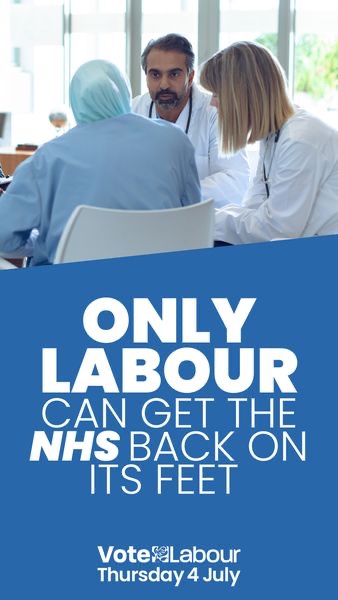
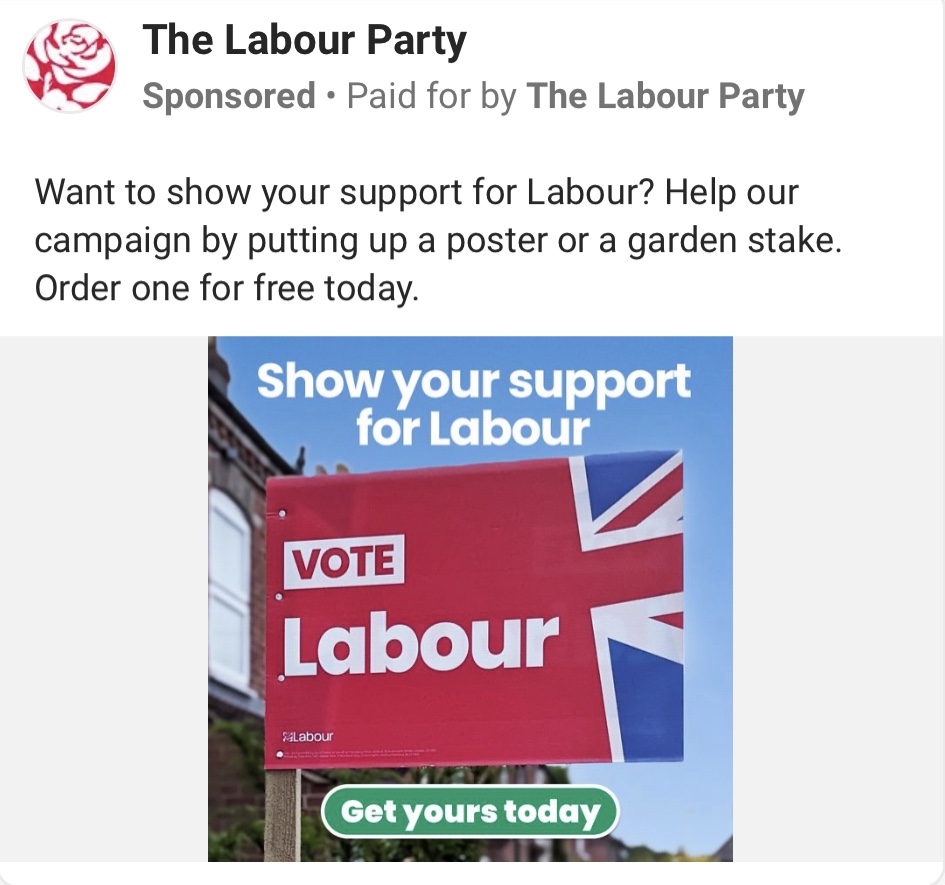
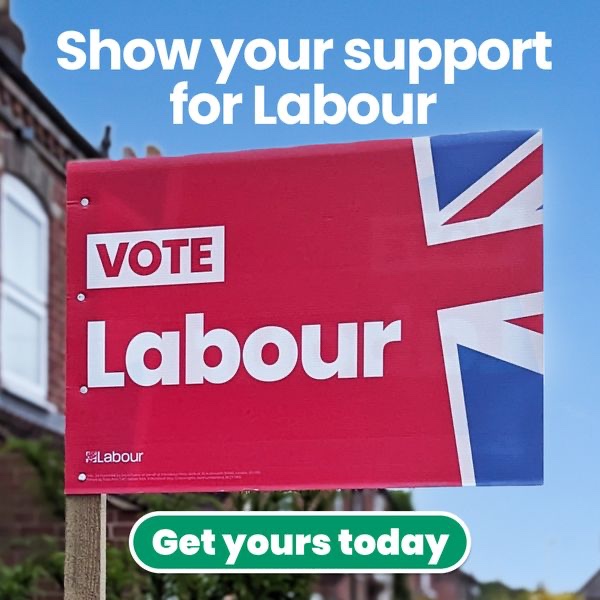
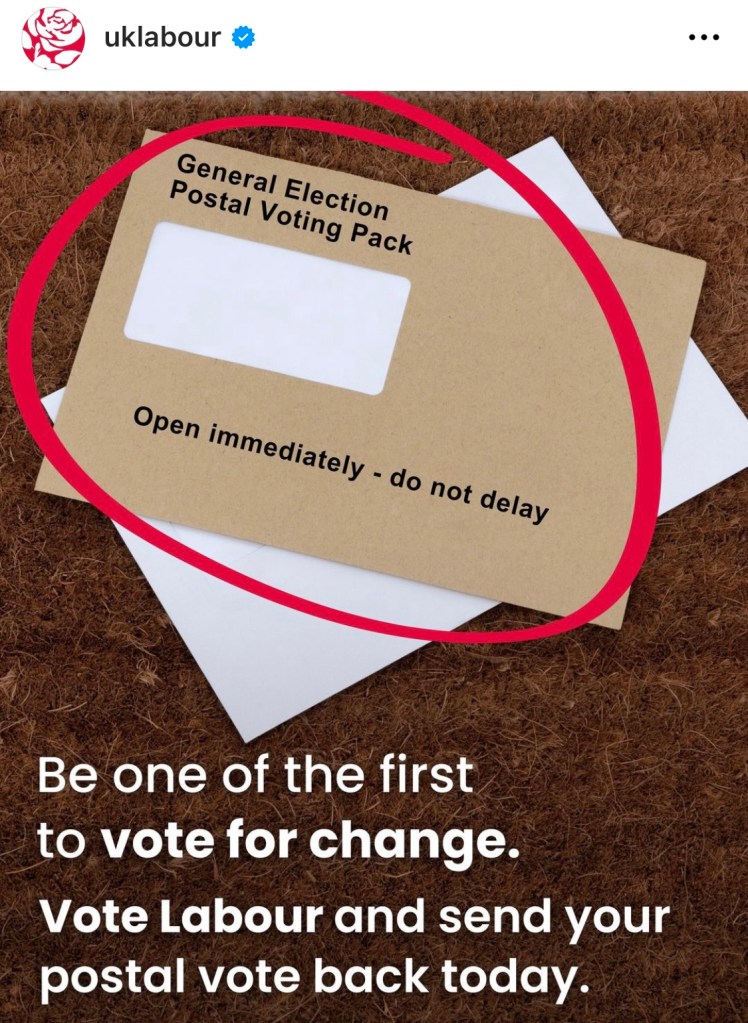
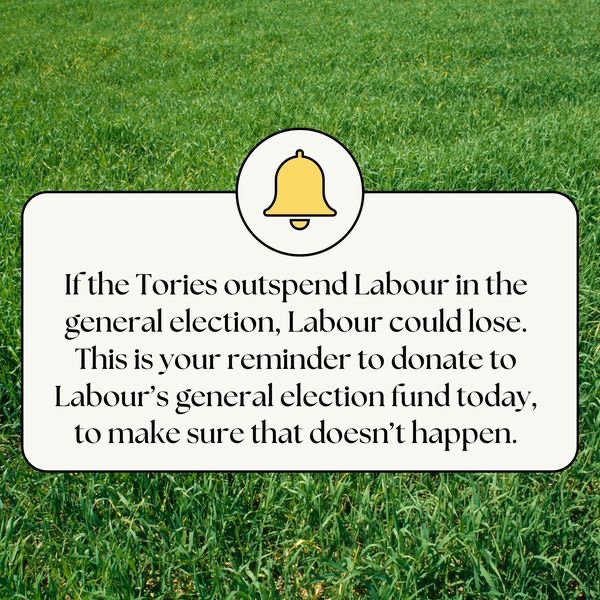
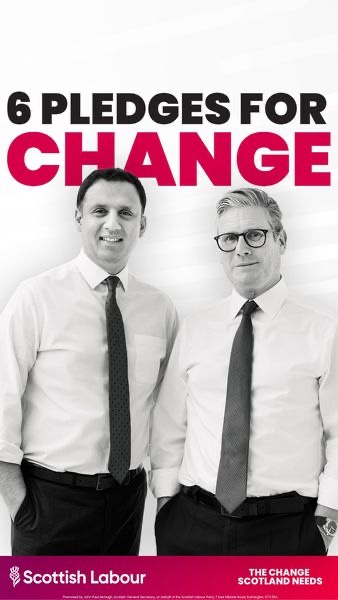
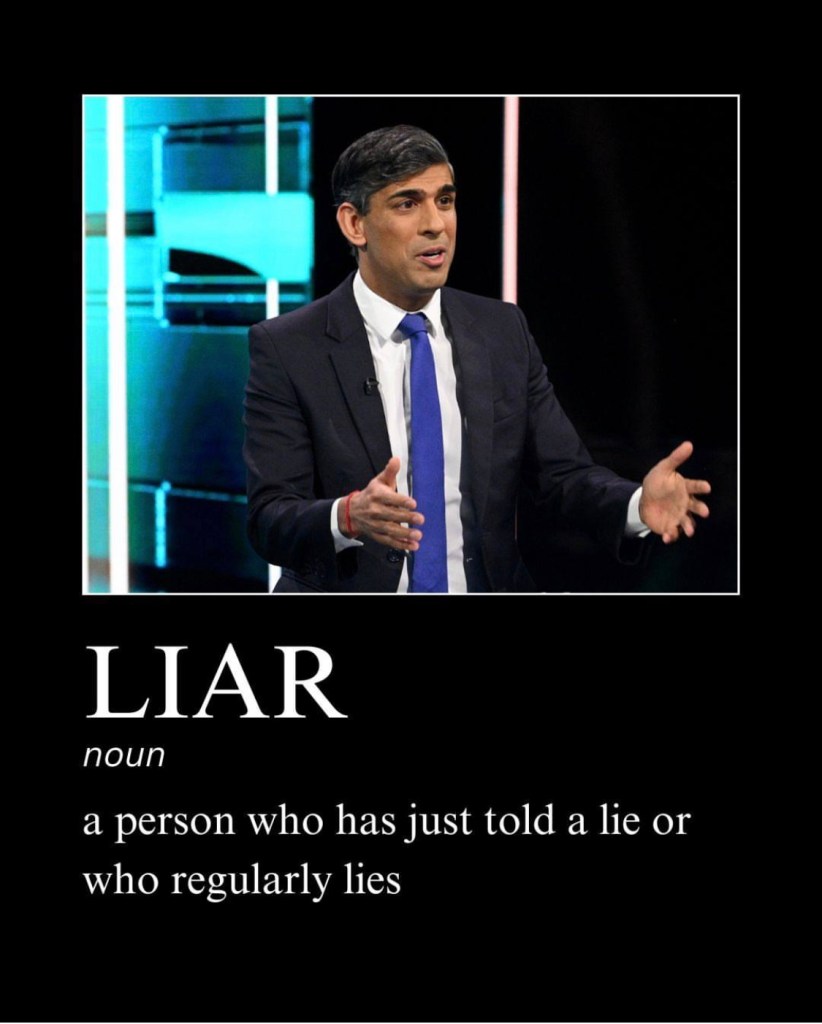
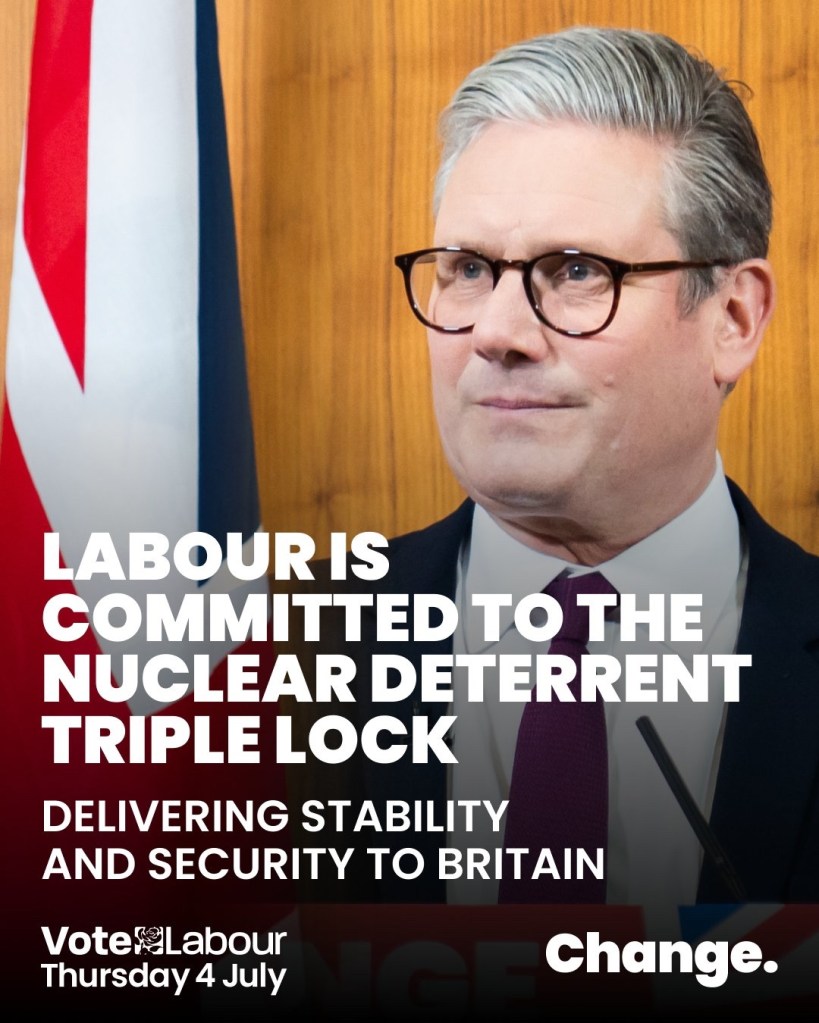
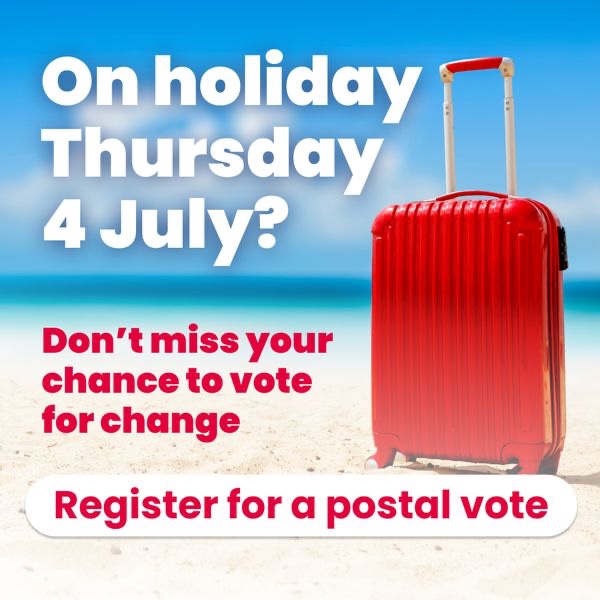
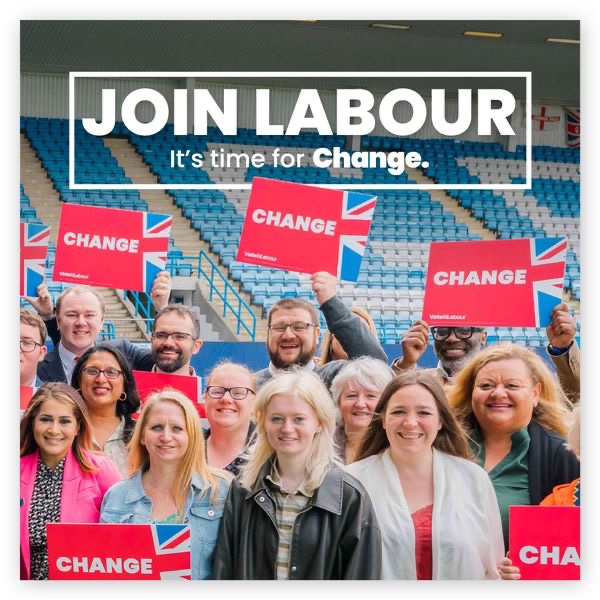
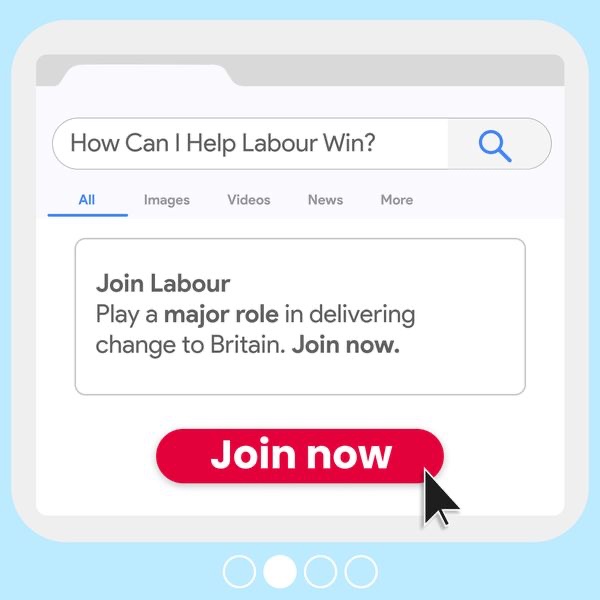
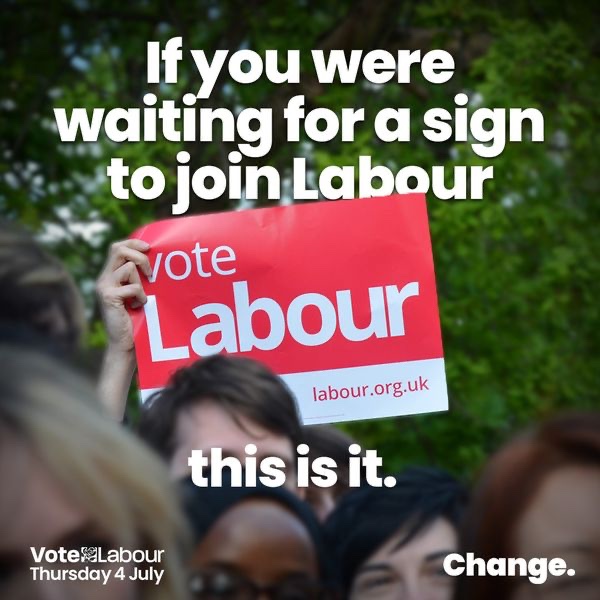
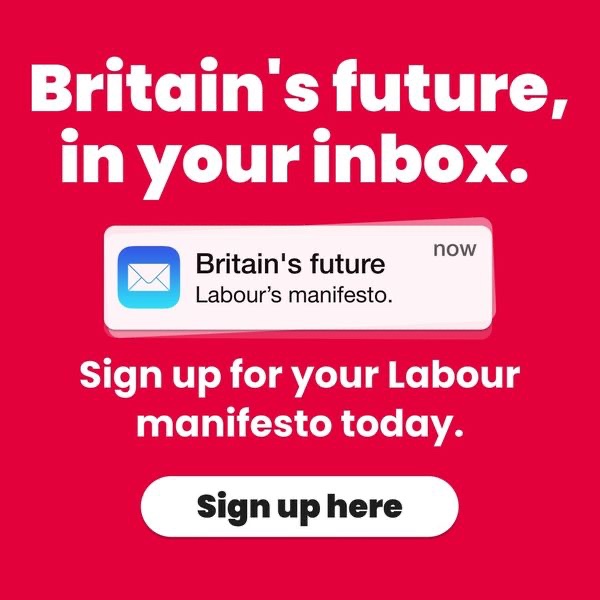
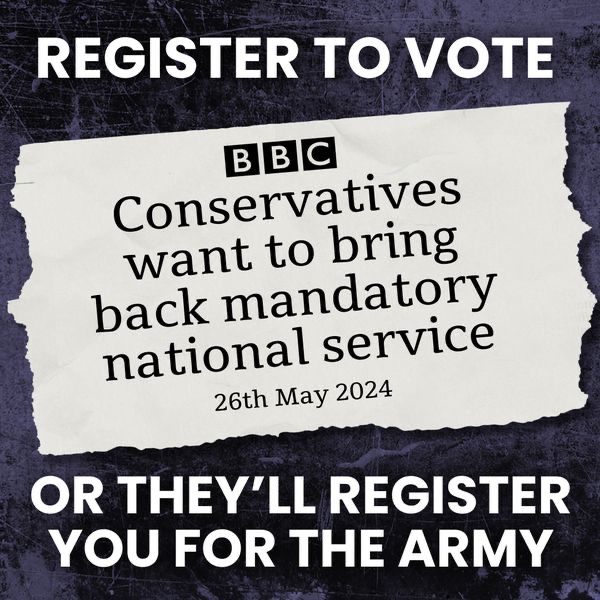
I collected lots of Labour adverts through the 2024 general election campaign and will share them below. They all caught my eye for one reason or another. I find these archives helpful to refer back to and so I hope some of you do too. There’s also a bunch of video ads available on my YouTube channel.







































 politicaladvertising.co.uk
3 Comments